
Barefoot shoes have gone from a niche running trend to a mainstream footwear category. Thin soles, wide toe boxes, and almost no cushioning. But do they actually help your feet, or is it just clever marketing? The answer sits somewhere in between. They can offer real benefits. But they're not right for everyone, and they need a proper transition. Here's what you should know before making the switch.
What Are the Potential Benefits of Barefoot Shoes?
Dr Sunil Kumar Sharma, Senior Consultant, Orthopaedics, Prayag Hospitals, Noida, explains how people thrive in barefoot shoes. Others struggle without the right preparation. Here are the 5 potential benefits he wants people to know about, along with the risks that come with them.
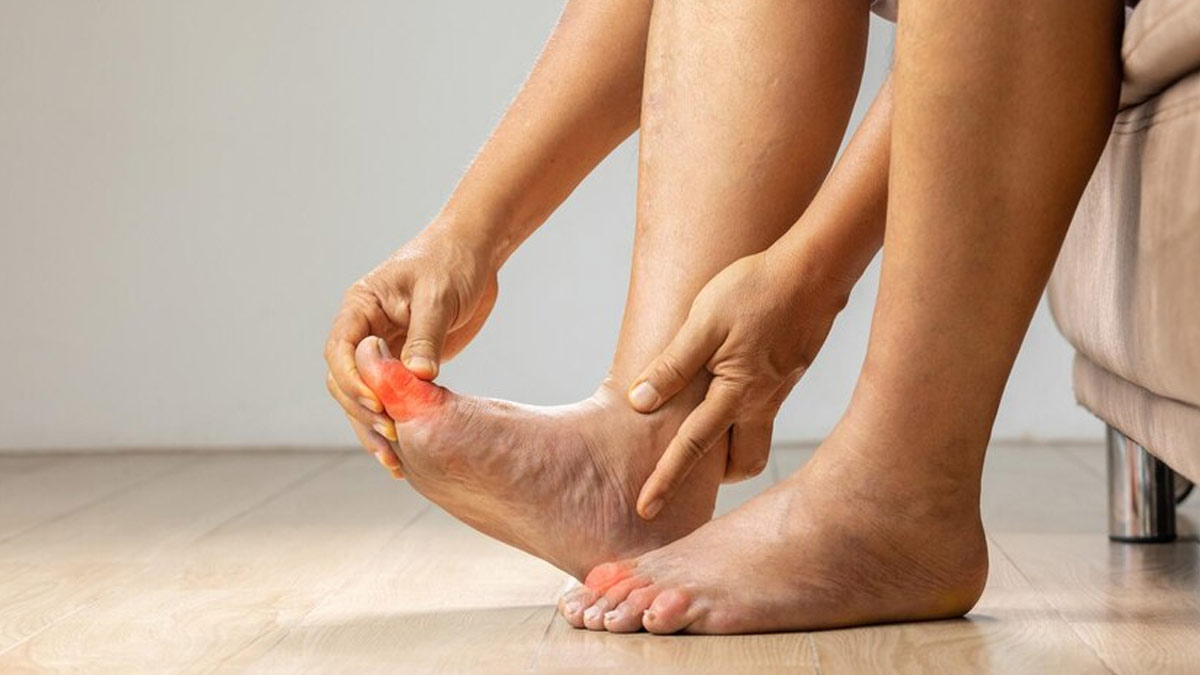
1. Barefoot Shoes May Reduce Certain Types of Foot Pain
Many barefoot shoe users say their foot pain eased once they switched. Dr Sharma explains why. “These shoes let the foot move and flex naturally. No rigid soles. No forced arch support. For people whose pain came from overly stiff or narrow shoes, this shift can genuinely help.”
2. Barefoot Shoes Can Improve Balance and Stability
Barefoot shoes have thin, flexible soles. That means better feedback from the ground beneath you, something called proprioception. Dr Sharma says this can improve balance and reduce stumbling. Your foot and brain simply stay in closer touch about the ground you're walking on.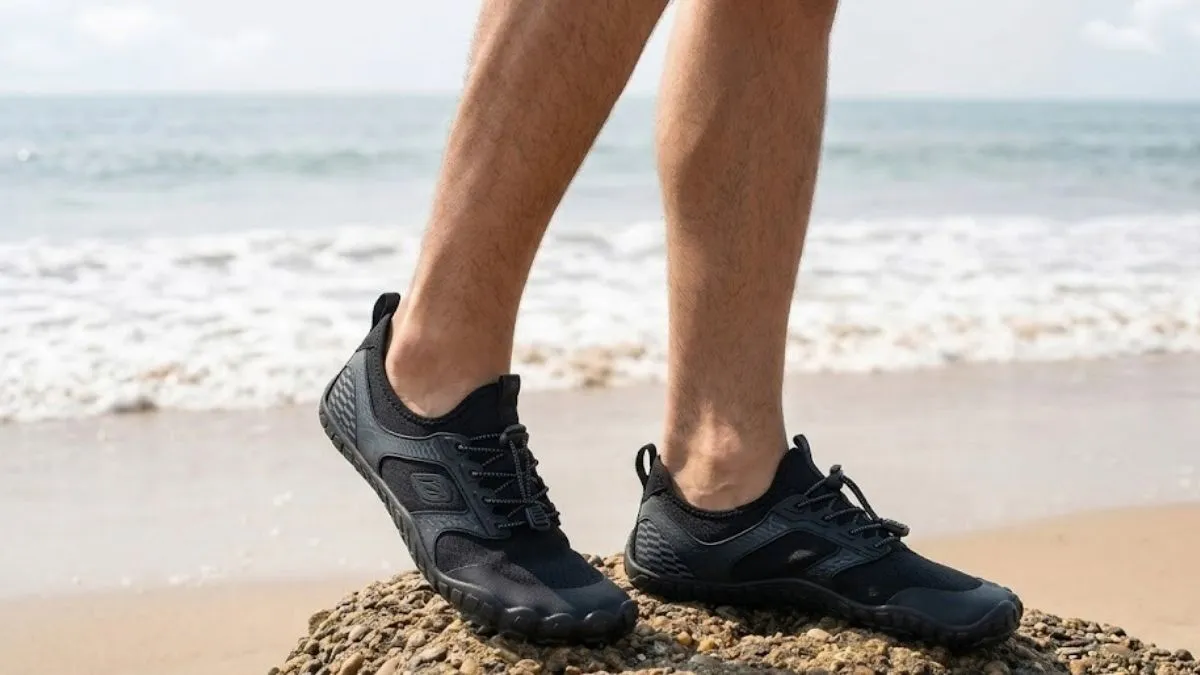 barefoot shoes benefits
Research backs this up. A study in Scientific Reports found that people with a history of falls showed real improvements in stability after wearing minimal shoes. Additionally, they performed faster on mobility tests like standing up and walking and achieved better reach distances during balance trials when wearing minimal shoes. These results suggest that thin, flexible, low-cushion footwear provides better ground feedback, which helps prevent stumbles in people prone to falling.
3. Barefoot Shoes May Strengthen the Muscles of the Foot
Cushioned shoes do a lot of the work for your feet. Over time, this can weaken the small muscles inside them, according to Dr Sharma. Barefoot shoes make those muscles work again. Done gradually, this can genuinely build foot strength.
The numbers here are striking. Another 2021 study in Scientific Reports found six months of daily minimal footwear use increased foot flexor strength by 57% on average. Their foot strength reached levels similar to experienced, long-term minimalist shoe wearers. The results suggest that daily walking in unsupportive shoes strengthens intrinsic foot muscles, which aids in balance and gait without requiring explicit foot exercises.
4. Barefoot Shoes Give the Toes More Natural Room to Spread
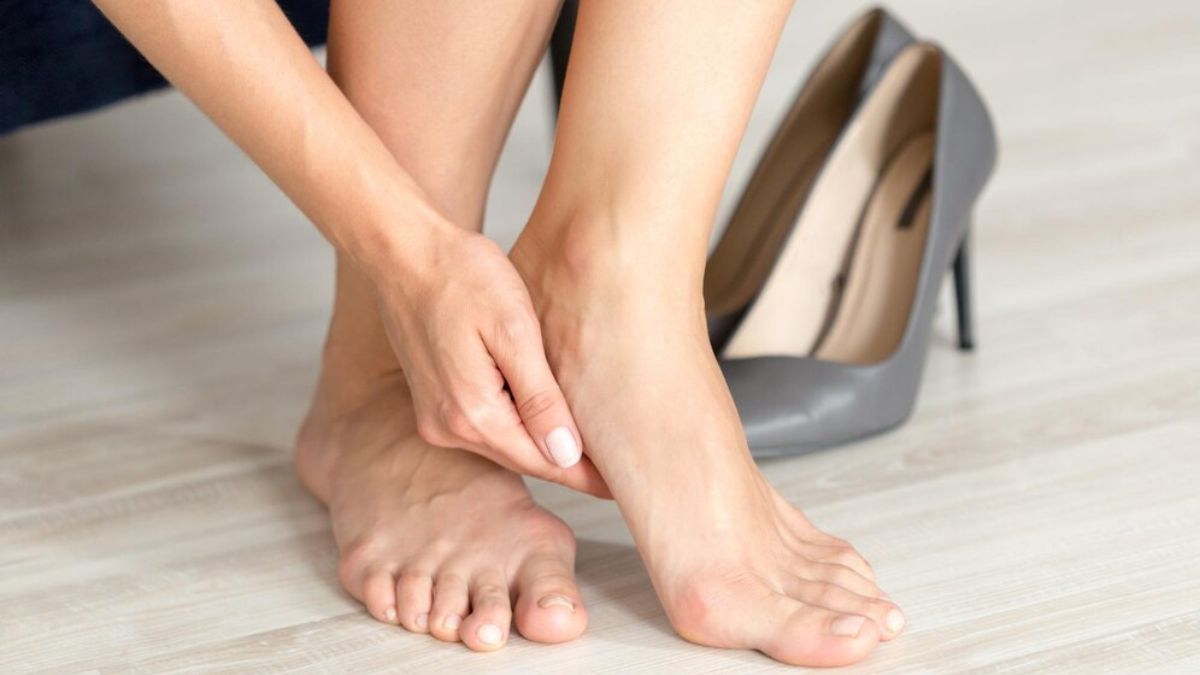
A wide toe box. A flat sole. No height difference between heel and toe. Dr Sharma explains this mimics your foot's natural shape far better than traditional shoes, which taper narrowly and lift the heel.
5. Barefoot Shoes Reduce the Extra Weight and Bulk of Regular Footwear
Barefoot shoes weigh much less than standard trainers. Dr Sharma says many people find this makes walking and running feel more natural. Less tiring on the legs too, especially over long distances.
What Are the Potential Drawbacks to Be Aware Of?
Barefoot shoes aren't risk-free. Dr Sharma is clear about this, especially if you rush the transition:
- Switching too fast from cushioned shoes can overload your feet and lower legs. Your body needs time to adapt to less support
- No heel lift means more strain on your calf and Achilles tendon. Calf and ankle strengthening should go alongside the switch
- Thin soles barely absorb shock. That can be uncomfortable, even harmful, on hard surfaces like concrete
- Barefoot shoes don't suit everyone. Some existing foot conditions and biomechanical needs require more support
- Tendon injuries around the ankle have been reported, mostly in people who switched too fast or jumped into high-impact activity too soon
A 2023 review in JBJS Reviews backs this up directly. It found minimalist footwear puts more stress on the ankle joints, with a higher injury rate specifically tied to rushing the switch to barefoot running.
Who Should Be Cautious About Switching to Barefoot Shoes?
Dr Sharma flags a few groups who need to think twice:
- People with flat feet, high arches, or other structural foot issues that usually need more support
- Anyone with a history of tendon injuries, stress fractures, or plantar fasciitis
- People who walk or run a lot on hard urban surfaces, where cushioning usually protects the joints
- Anyone eyeing barefoot shoes for high-impact sports without easing in first
What Is the Safest Way to Transition to Barefoot Shoes?
Dr Sharma's advice is simple. Go slow:
- Wear them for short periods first, then build up gradually
- Add calf and ankle strengthening exercises to prepare your lower leg
- Watch for new pain or discomfort, and scale back if it shows up
- Skip high-impact activity like running until your feet and legs have adapted
- Talk to a podiatrist or orthopaedic specialist first if you have an existing foot condition or injury history
ALSO READ- Can Sleeping With Socks On Really Help You Sleep Better? Here's What An Expert Says
Conclusion
Barefoot shoes can genuinely give you stronger feet, better balance, and more natural toe movement. But these benefits depend on a slow, careful transition. Rush it, especially into high-impact activity, and you risk the exact tendon and calf injuries the research keeps flagging. For most healthy adults with no existing foot conditions, a gradual switch with some guidance is the safest way to find out if barefoot shoes work for you.
FAQ
1. Can barefoot shoes help with existing bunions or hammertoes?
Some people notice less bunion discomfort after switching, mostly thanks to the wider toe box. But this varies a lot by person and severity. Worth checking with a podiatrist first, since structural toe issues sometimes need more than a footwear change.2. Do barefoot shoes work for standing all day at work, not just walking or running?
Some people find them comfortable for all-day standing, since natural foot positioning can ease fatigue over time. Others notice hard flooring more without cushioning. Try them on shorter shifts first before committing to all-day wear.
All possible measures have been taken to ensure accuracy, reliability, timeliness and authenticity of the information; however Onlymyhealth.com does not take any liability for the same. Using any information provided by the website is solely at the viewers’ discretion. In case of any medical exigencies/ persistent health issues, we advise you to seek a qualified medical practitioner before putting to use any advice/tips given by our team or any third party in form of answers/comments on the above mentioned website.
How we keep this article up to date:
We work with experts and keep a close eye on the latest in health and wellness. Whenever there is a new research or helpful information, we update our articles with accurate and useful advice.
-
Current Version
Sep 01, 2026 17:03 IST
Published By : Vivek Kumar
Reviewed By : Dr Sunil Kumar Sharma