
Weight-loss injections have gained significant attention in the last couple of years as more people turn to medical treatments to manage obesity and support weight reduction. These drugs are normally combined with lifestyle alterations and help in regulation of appetite and the manner in which the body responds to glucose. With the growing popularity of the these drugs, many people question whether they are safe to use on a long-term basis.
In an exclusive interactio n with the editorial team of Onlymyhealth, Dr Pooja Pillai, Consultant – Internal Medicine, Aster CMI Hospital, Bangalore, explained that weight-loss injections may be effective in their place, though it is only valid when they are administered under the supervision of a medical practitioner as a part of the entire weight-management strategy. Read ahead to know everything she shared with us.
What Are Weight-Loss Injections?
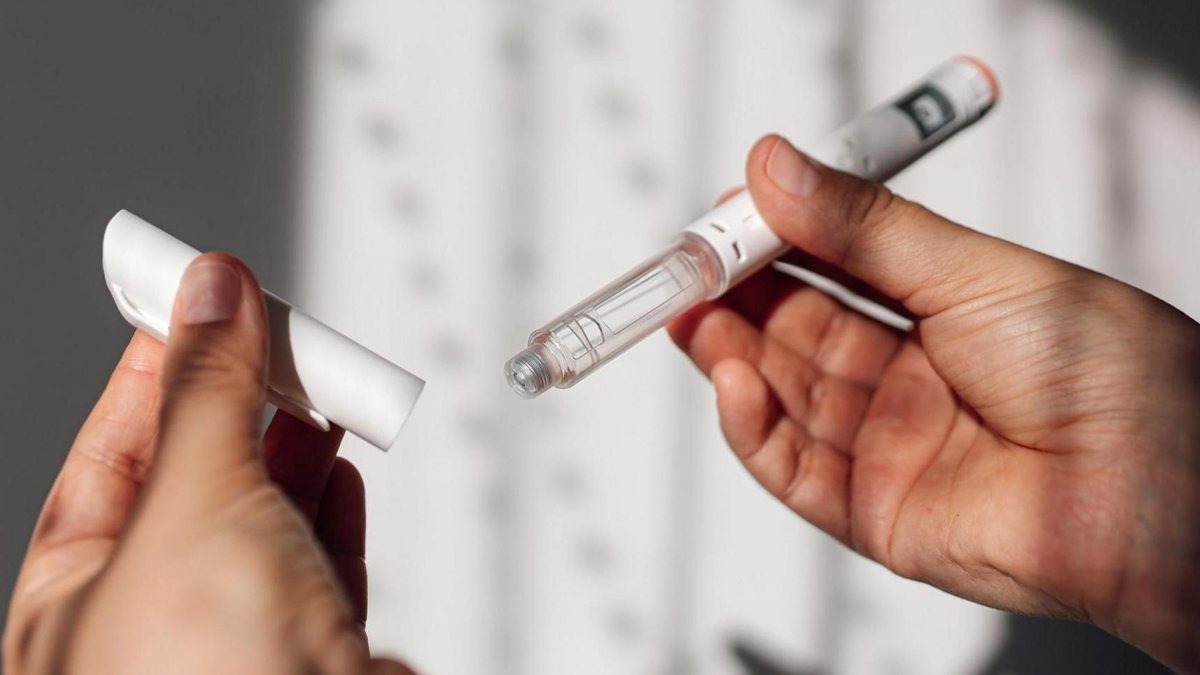
Weight-loss injections are medications that help to control the appetite, slow the rate of emptying the stomach and blood sugar levels. Dr Pillai highlighted that most of them were initially used as diabetes therapies, but they are currently also used to treat weight loss in people with obesity or other health conditions.
ALSO READ- Types of Obesity You Need to Know for Better Weight Management
 1
1
These medications work by mimicking hormones involved in appetite regulation so that people feel fuller and thus have reduced calorie intake.
How Weight-Loss Injections Help With Weight Management
Weight-loss injections primarily help in weight loss through their influence on body hunger and satiety. They can help lower the cravings and help individuals watch the portions.
In addition to appetite regulation, the medications can also enhance the metabolic functions such as insulin sensitivity and blood sugar regulation which is crucial in individuals with health risks due to obesity.
Is Long-term use of Weight-Loss Injections Safe?
Recent studies indicate that weight-loss injections are safe to use over a longer period of time when administered properly and under the supervision of a medical expert. However, they can also lead to side effects as is commonly seen with all medications.
The most frequent side effects are nausea, stomach upsets, or loss or gain in appetite, particularly at the beginning of treatment. Factors that affect long-term safety are the overall health, medical conditions, and adherence to medical recommendations by the patients.
“Follow-ups with a healthcare provider are also necessary on a regular basis so that the progress can be traced, side effects can be addressed and whether further treatment is required,” she shared.
ALSO READ- Plant-Based vs Vegan Diet: Which Is Best For Weight Loss
 2
2
Why Lifestyle Changes Still Play a Key Role
The injections to lose weight are beneficial in losing weight, but it does not substitute a healthy lifestyle. The combination of medical intervention, healthy diet, and physical activity is usually required to maintain sustainable weight.
The patients could be routinely encouraged to adopt a guided dietary regimen, take more physical workouts, enhance sleep habits, and deal with stress to ensure sustainable outcomes.
Bottomline
Weight-loss injections can be an effective tool for managing obesity when used under medical supervision. Although they are possibly safe as long-time use in certain patients, they should be used with lifestyle modifications and continued medical surveillance.
FAQ
1. Are weight-loss injections safe to use for years?
They are possibly long-term safe in some patients, but must be under treatment and closely monitored by a physician.2. Do weight-loss injections replace diet and exercise?
No, they are meant to support weight management alongside healthy eating, physical activity, and lifestyle changes.
All possible measures have been taken to ensure accuracy, reliability, timeliness and authenticity of the information; however Onlymyhealth.com does not take any liability for the same. Using any information provided by the website is solely at the viewers’ discretion. In case of any medical exigencies/ persistent health issues, we advise you to seek a qualified medical practitioner before putting to use any advice/tips given by our team or any third party in form of answers/comments on the above mentioned website.
How we keep this article up to date:
We work with experts and keep a close eye on the latest in health and wellness. Whenever there is a new research or helpful information, we update our articles with accurate and useful advice.
-
Current Version
Mar 07, 2026 23:36 IST
Modified By : Tanya Srivastava Mar 07, 2026 23:36 IST
Modified By : Tanya SrivastavaMar 07, 2026 23:36 IST
Published By : Tanya Srivastava
Reviewed By : Dr. Pooja Pillai