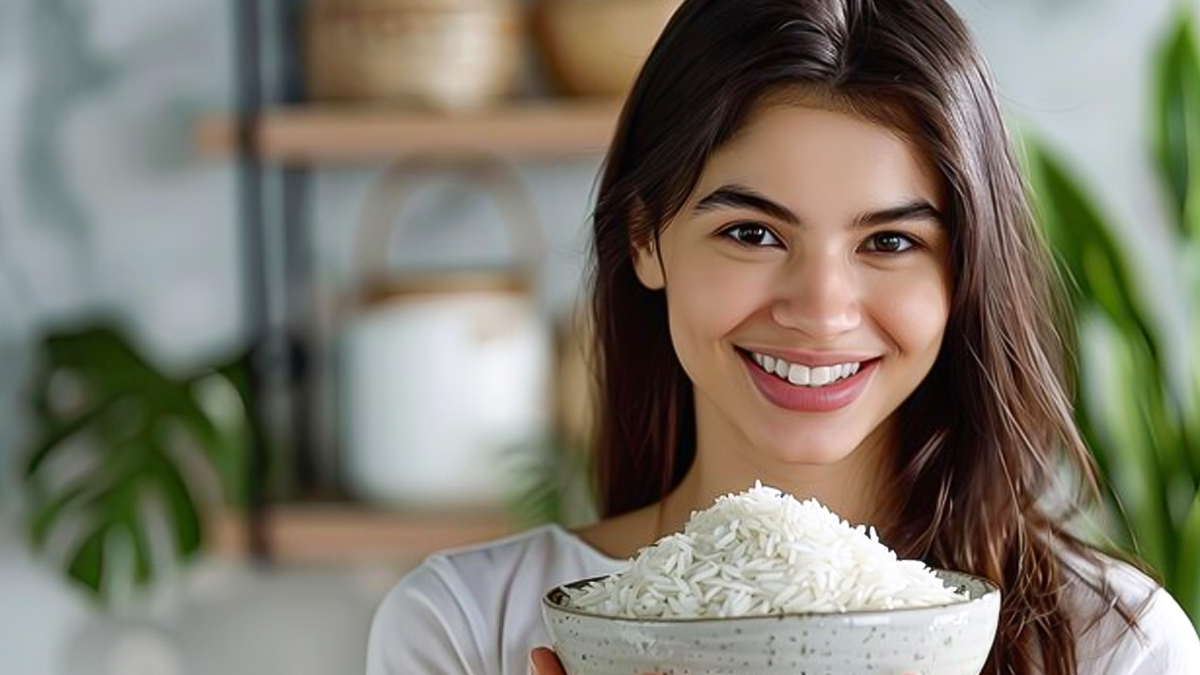
White rice is a go-to meal for many people, and rightly so. It can be paired with almost everything – from curries, roasted or steamed vegetables to flavourful sauces. This naturally makes it one of the most-loved grains globally. But can eating white rice make you fat? This is a query many people have. Today, we will answer this for you.
To get a better understanding of this, we reached out to Dr Geetika Chopra, Celebrity Holistic Nutritionist, New Delhi.
Can White Rice Make You Gain Weight?
Let us begin by addressing the question many people have – can white rice make you fat? “White rice by itself does not automatically cause weight gain. Weight gain occurs when total calorie intake consistently exceeds what the body burns. White rice is a refined carbohydrate with a higher glycaemic index, meaning it digests faster and can raise blood sugar levels quickly. When eaten in large portions, frequently, and without enough protein, fibre, or fat, it can promote fat storage — especially around the abdomen. However, when eaten in controlled portions as part of a balanced meal, white rice does not inherently lead to weight gain,” explains Dr Chopra.
On this note, here’s looking back at a study which suggested that white rice may not lead to weight gain. As per a 2019 study, the obesity rate is low in countries that eat rice as a staple food. A Japanese food or an Asian-food-style diet – which is based on rice – may help prevent obesity, cited the research. Researchers from Doshisha Women’s College of Liberal Arts in Kyoto, Japan presented these findings at the European Congress on Obesity (ECO2019) in Glasgow, United Kingdom.
According to the Centers for Disease Control and Prevention (CDC), 39.8% of people in the US now have obesity. However, in Japan the number is just 4.3%, as per the World Health Organization (WHO).
ALSO READ- Nutritionist Reveals How Samak Rice Can Make Your Regular Food PCOS-Friendly
Can You Reduce Your Belly Fat By Eating Rice Daily?
Rice being a staple food in many countries, is many people’s daily meal. So those who are eating it every single day, is it possible for them to reduce their belly fat? “Yes, it is possible to lose weight and even reduce belly fat while eating rice daily. Fat loss depends on overall calorie balance, insulin control, and meal composition — not on eliminating a single food. Many traditional diets across Asia include rice daily and still support lean body composition. The key is portion control, pairing rice with adequate protein and vegetables, and avoiding excessive refined foods alongside it,” shares Dr Chopra.
So how much white rice is good for weight loss? “For most people aiming for weight loss, ½ to 1 cup of cooked white rice per meal is a reasonable portion, depending on activity level and body size. Eating larger portions regularly can lead to excess calorie intake; while smaller, controlled servings help prevent blood sugar spikes and support fat loss. The rest of the plate should focus on vegetables and protein,” adds the expert.
Benefits And Side Effects Of Eating White Rice
On this note, Dr Chopra shares the pros and cons of eating white rice:
Benefits:
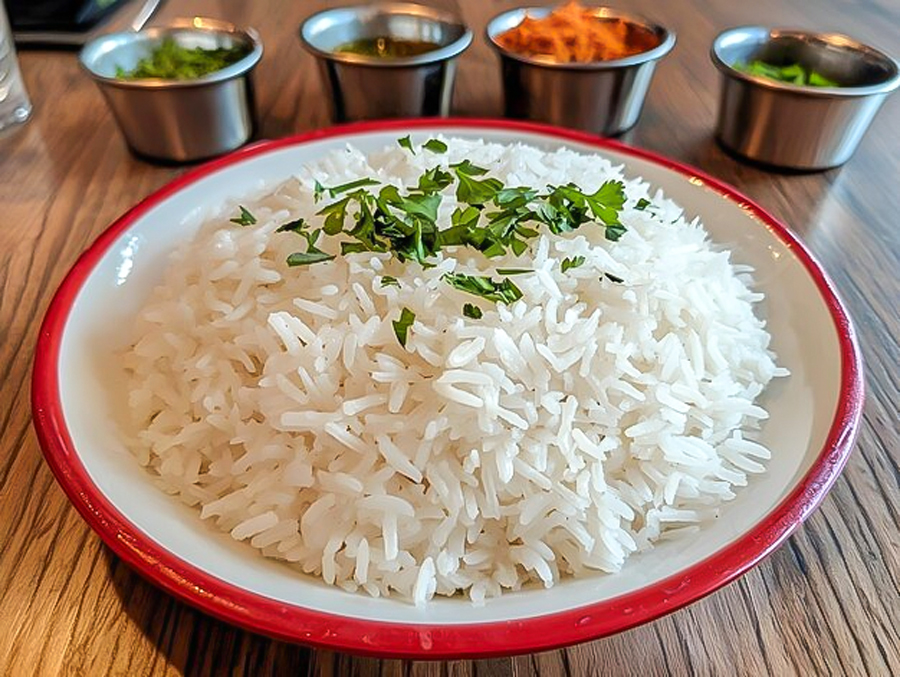
White rice is easy to digest, gluten-free, and provides quick energy. It is suitable for people with sensitive digestion, during illness, or post-workout when the body needs fast energy replenishment.
Side effects:
Because it is low in fibre and digests quickly, overeating white rice can lead to blood sugar spikes, increased hunger soon after meals, and fat storage over time — especially in sedentary individuals or those with insulin resistance.
So which rice is best for fat loss? “Rice varieties that digest more slowly are generally better for fat loss. Brown rice, red rice, black rice, and parboiled rice contain more fibre and have a lower glycaemic impact compared to white rice. These varieties help with satiety and blood sugar control. That said, white rice can still be included occasionally if portions are controlled and meals are balanced,” explains Dr Chopra.
Tips To Add White Rice In A Weight Loss Diet
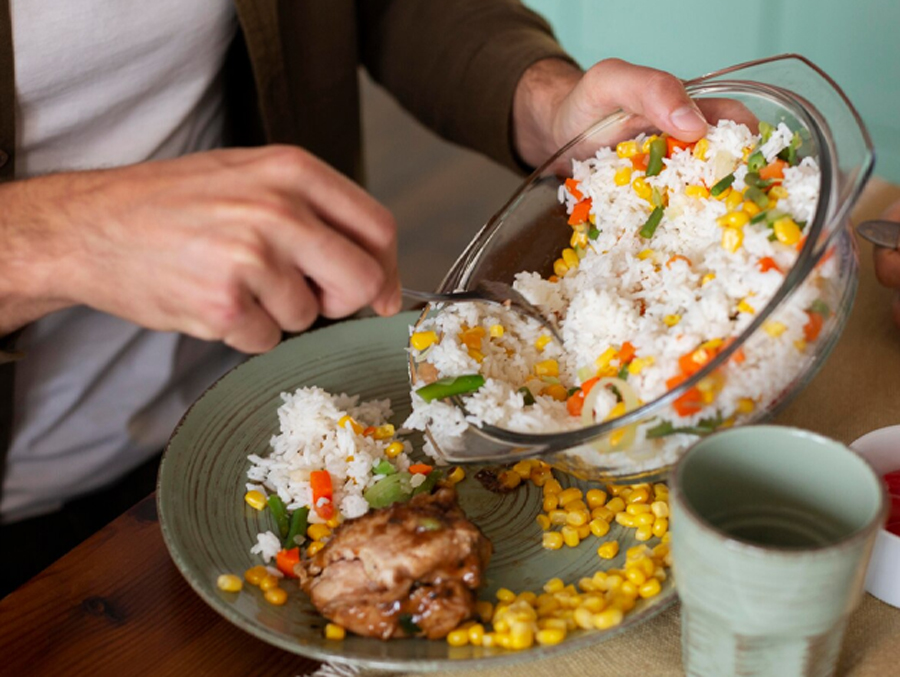
Dr Chopra shares that white rice can be made weight-loss friendly by:
- Keeping portions controlled.
- Pairing it with protein (dal, paneer, tofu, eggs, fish).
- Adding plenty of vegetables for fibre.
- Including healthy fats like ghee or nuts in small amounts.
- Avoiding refined sides such as fried foods or sugary drinks.
“Cooking methods also matter — steamed or boiled rice is always better than fried rice or heavily processed preparations,” concludes Dr Chopra.
ALSO READ- Is White Rice Bad For Fatty Liver?
The Final Word
White rice is not the enemy of weight loss. The real issue lies in portion size, meal balance, and overall lifestyle. When eaten mindfully and combined with protein, fibre, and healthy fats, white rice can fit into a weight loss diet without causing fat gain.
FAQ
Can you eat white rice if you want to lose weight?
Yes, pairing it with a healthy source of protein and fiber can make it part of a balanced diet for losing weight.Should you completely avoid rice for weight loss?
No, it can be included in a weight loss diet as a part of a balanced meal.Is plain white rice high in calories?
White rice is relatively low in fat and contains about 200 to 230 calories per cooked cup.
All possible measures have been taken to ensure accuracy, reliability, timeliness and authenticity of the information; however Onlymyhealth.com does not take any liability for the same. Using any information provided by the website is solely at the viewers’ discretion. In case of any medical exigencies/ persistent health issues, we advise you to seek a qualified medical practitioner before putting to use any advice/tips given by our team or any third party in form of answers/comments on the above mentioned website.

How we keep this article up to date:
We work with experts and keep a close eye on the latest in health and wellness. Whenever there is a new research or helpful information, we update our articles with accurate and useful advice.
-
Current Version
Feb 23, 2026 19:13 IST
Modified By : Shruti Das Feb 23, 2026 19:13 IST
Modified By : Shruti DasFeb 23, 2026 19:13 IST
Modified By : Shruti DasFeb 23, 2026 19:13 IST
Published By : Shruti Das
Reviewed By : Dr Geetika Chopra