-1787748703300_m.webp)
A sharp uptick in H1N1 cases has put healthcare systems on high alert. With reports of rising swine flu in Delhi and across the country, health authorities are tracking the situation closely. The Indian Medical Association (IMA) has issued a warning of critical importance to public health. The update comes amid a sudden surge in the flu A (H1N1) this season.
While the ongoing wave is not as severe as the previous one, health officials warn of a self-treatment trend many people are taking: using off-the-shelf antibiotics for flu symptoms.
Why Antibiotics Do Not Work on H1N1 Flu
The primary focus of the IMA advisory is the restriction on self-medication with commonly used antibiotics like Azithromycin, amoxicillin-clavulanate, and cefixime.
- Target Mismatch: Antibiotics only work against bacteria. H1N1 is a disease caused by a virus. When you're suffering from viral flu, antibiotics won't do anything for you if you have fever, body aches, or to eliminate the virus
- Damage to good bacteria: Sometimes it is not necessary to give antibiotics; the use of antibiotics kills the good bacteria in the gut, resulting in stomach pain, diarrhoea, and a weakened immune system after the antibiotic has ended
- Silent Threat of Antimicrobial Resistance (AMR): When antibiotics are used in an unregulated manner, bacteria acquire resistance. In addition, if a bacterial disease develops to a serious level, the conventional antibiotics may be ineffective due to the disease's resistance to the antibiotics
The Indian Medical Association (IMA) urges people to remain vigilant amid a seasonal rise in Influenza A (H1N1) cases, while stressing that most infections are mild and self-limiting.
— All India Radio News (@airnewsalerts) August 26, 2026
IMA advises against self-medication with antibiotics, as H1N1 is viral. People are also… pic.twitter.com/QLDnV8C0Be
This is supported by a review published in Trends in Microbiology. Gut bacteria act like a training coach for your immune system. The researchers explain that helpful microbes living in your gut constantly send chemical signals to remote organs, including your lungs.
These signals trigger the release of interferons, natural proteins that act as your body’s frontline defence to block viruses from multiplying. When you take unnecessary antibiotics during a viral flu like H1N1, the medication wipes out these friendly gut bacteria.
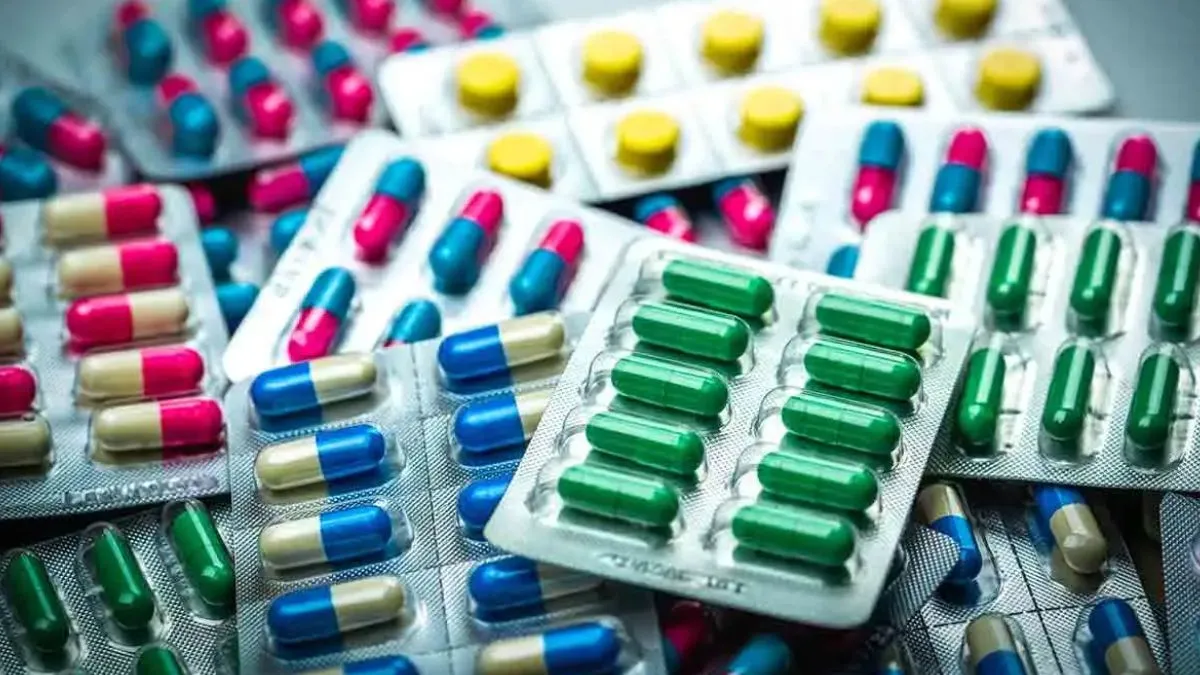 Antibiotics
Without them, your body’s interferon alarm system stays quiet. This makes it harder for your lungs to clear the flu virus naturally and can lead to worse inflammation and prolonged illness.
ALSO READ- H1N1 vs COVID-19 vs Dengue: Fever, Body Ache or Something More? How to Tell the Difference
What Is Driving the Seasonal Swine Flu Surge?
H1N1 is a seasonal respiratory viral infection of the nose, throat and lungs. Anxiety over the term "swine flu" may be warranted, but medical experts state that most cases of H1N1 in recent years have been mild and self-limiting (illnesses that run their course and are cleared up by the immune system in 5 to 7 days).

Additionally, the national capital is seeing a noticeable increase in swine flu Delhi infections during the ongoing seasonal shift. Reports of h1n1 cases in delhi show that H1N1 has become the primary influenza strain this season. The rise in delhi flu cases is typical for the humid monsoon period. Despite the spike in delhi h1n1 cases, medical experts clarify that the illness remains manageable. The primary risk comes from improper self-medication.
ALSO READ- Nearly 600% H1N1 Surge in Delhi: Why Swine Flu Cases in Delhi Are Rising Even During the Monsoon
Primary symptoms reported across clinics include:
- Sudden high fever accompanied by severe chills and intense shivering
- Chronic cough and sore throat (laryngitis)
- Severe muscle and all-over body aches
- Fatigue and weakness
- Occasional gastrointestinal problems such as vomiting or diarrhoea
Practical Prevention By IMA
To stop the spread of viruses, there should be frequent basic hygiene:
- 20-Second Handwashing: Wash hands often with soap and water or an alcohol-based hand sanitiser.
- Respiratory Etiquette: Cough/sneeze into a tissue or bent elbow, not an open hand.
- Masking in Crowded Venues: In poorly ventilated public spaces, clinics, and transport hubs in crowded settings, wear a well-fitted mask.
- Stay home from workplaces or schools while symptomatic to stop community spread.
Conclusion
The rise in H1N1 cases is a reminder to stay watchful, not fearful. Most infections are mild and heal on their own. Avoid buying over-the-counter antibiotics, as they do not work on viral flu. Practice good hand hygiene, wear a mask in crowds, and consult a doctor if you feel unwell.
FAQ
1: Can an antibiotic cure a sore throat during flu season?
No. Most sore throats during flu season are viral. Antibiotics do not soothe viral throat inflammation and should never be taken without a confirmed bacterial diagnosis from a physician.2: What medicine is actually effective against H1N1 swine flu?
H1N1 is treated with rest, hydration, and fever reducers. In severe or high-risk cases, a doctor may prescribe antiviral drugs, which specifically inhibit viral replication.
All possible measures have been taken to ensure accuracy, reliability, timeliness and authenticity of the information; however Onlymyhealth.com does not take any liability for the same. Using any information provided by the website is solely at the viewers’ discretion. In case of any medical exigencies/ persistent health issues, we advise you to seek a qualified medical practitioner before putting to use any advice/tips given by our team or any third party in form of answers/comments on the above mentioned website.
How we keep this article up to date:
We work with experts and keep a close eye on the latest in health and wellness. Whenever there is a new research or helpful information, we update our articles with accurate and useful advice.
-
Current Version
Aug 26, 2026 17:13 IST
Modified By : Vivek Kumar Aug 26, 2026 17:13 IST
Published By : Vivek Kumar