
Urine leakage after childbirth is common, but common does not mean something you have to live with. Many new mothers experience urine leakage when coughing, sneezing, laughing, exercising, lifting the baby or even getting up suddenly. While it may improve in the weeks after delivery, persistent leakage deserves attention.
To understand this better, we reached out to our experts, Dr Ritambhra Bhalla, Associate Director at Cloudnine Group of Hospitals, Chandigarh, Dr Lavanya Kiran, Director and Lead Consultant, Obstetrics, Gynaecology, KIMS Hospitals, Electronic City, Bengaluru, and Dr Palak Dewaan, Consultant Gynaecology, RG Hospitals, Faridabad.
What Causes Urine Leakage After Childbirth
Let us begin by understanding why this happens. Dr Bhalla answers, “This happens because pregnancy and childbirth place considerable pressure on the pelvic floor muscles, which support the bladder, uterus, bowel, and help control urination. Pregnancy itself can weaken these muscles, while vaginal delivery may further stretch or injure the pelvic floor and surrounding tissues.”
The expert adds, “Hormonal shifts, changes in bladder position and, in some cases, pelvic nerve or tissue injury can also contribute. Urinary leakage may occur after both vaginal and caesarean deliveries, although the risk can vary depending on individual circumstances.”
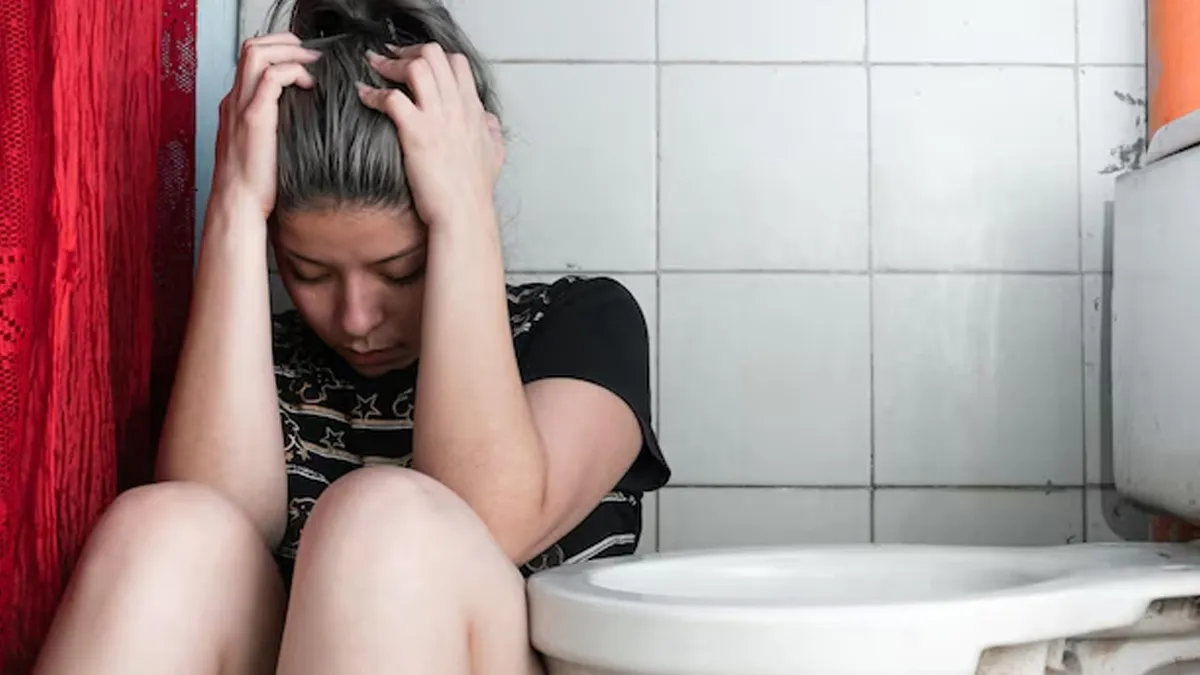 postpartum urine leak 1
Is Urine Leakage Normal After Delivery?
So how normal or common is this occurrence? Dr Bhalla answers, “Some leakage in the early postpartum period can occur as the body recovers. However, ongoing or bothersome leakage should not simply be accepted as a normal part of motherhood.”
The expert continues, “There are different types of urinary incontinence. Stress incontinence occurs with activities that increase pressure on the bladder, such as coughing or sneezing. Urge incontinence involves a sudden, difficult-to-control need to urinate. Some women may experience a combination of both.”
Adding to this, Dr Dewaan says, “Ignoring postpartum urine leakage can affect a woman's quality of life, confidence, physical activity, and emotional well-being. Some women may avoid social gatherings, exercise, or even routine activities due to the fear of accidents. Delaying treatment can also allow symptoms to worsen over time, especially with future pregnancies, ageing, or menopause.”
 postpartum urine leak 2
Tips To Deal With Urine Leakage After Childbirth
Dr Bhalla says that the good news is that postpartum urinary leakage is often manageable and treatable with measures such as:
- Pelvic floor muscle exercises, commonly known as Kegel exercises, can help strengthen the muscles involved in bladder control.
- A pelvic floor physiotherapist can teach you how to identify and exercise these muscles correctly rather than simply doing repeated contractions without guidance.
- Maintaining a healthy weight, managing constipation, staying physically active appropriately after delivery and addressing persistent coughing can also support pelvic floor health.
“If leakage continues, is worsening, interferes with daily activities or affects your confidence and quality of life, speak to your gynaecologist or pelvic floor specialist. Depending on the cause and severity, treatment may include physiotherapy, bladder training, medication or other interventions,” adds the expert.
Shedding more light on this, Dr Dewaan says, “The good news is that most cases are treatable. Early evaluation by a urogynecologist, urologist, or pelvic floor specialist can help identify the underlying cause. Treatment often begins with pelvic floor muscle exercises (Kegel exercises), supervised pelvic floor physiotherapy, bladder training, and lifestyle modifications.”
 postpartum urine leak 3
When Should You Seek Medical Attention?
“Seek medical attention if urine leakage is accompanied by pain or burning while urinating, fever, blood in the urine, difficulty emptying the bladder, severe pelvic pain or sudden worsening of symptoms,” advises Dr Bhalla.
Adding to this, Dr Kiran says, “Early initiation of pelvic muscle exercise and physiotherapy along with proper treatment can significantly improve bladder control and quality of life. We also have non-surgical modalities of treatment for this issue, depending on the underlying cause and severity. Women should also seek medical advice if leakage persists, worsens or interferes with daily activities. Addressing the problem early can prevent it from becoming a long-term concern and help regain confidence after childbirth."
“Women should remember that postpartum urine leakage is a medical condition, not an inevitable consequence of motherhood. Seeking timely care can significantly improve bladder control, restore confidence, and enhance overall quality of life,” concludes Dr Dewaan.
ALSO READ- Decoding Postpartum OCD: Why New Mothers Experience Dark Thoughts
Conclusion
Your body goes through remarkable changes during pregnancy and childbirth, but you shouldn't have to plan your life around bladder leakage. With the right assessment and support, many women can significantly improve their bladder control and regain confidence after childbirth.
FAQ
Is it normal to leak urine postpartum?
Yes, leaking urine after giving birth is very common, affecting up to 40% of women.How to stop female urine leakage with home remedies?
You can stop or reduce female urine leakage at home using effective behavioral and lifestyle methods such as kegel exercises, practicing bladder training to space out bathroom visits, cutting out bladder irritants such as caffeine, and managing your weight to ease pressure on the bladder.
All possible measures have been taken to ensure accuracy, reliability, timeliness and authenticity of the information; however Onlymyhealth.com does not take any liability for the same. Using any information provided by the website is solely at the viewers’ discretion. In case of any medical exigencies/ persistent health issues, we advise you to seek a qualified medical practitioner before putting to use any advice/tips given by our team or any third party in form of answers/comments on the above mentioned website.
How we keep this article up to date:
We work with experts and keep a close eye on the latest in health and wellness. Whenever there is a new research or helpful information, we update our articles with accurate and useful advice.
-
Current Version
Aug 18, 2026 17:03 IST
Published By : Shruti Das
Reviewed By : Dr Lavanya Kiran