
Whenever we experience fluctuations in our weight, we assume dietary or lifestyle changes could be the culprit. We seldom realise that weight gain can also be caused by other factors. One such factor is water weight. Now if you are thinking that it is caused by excessive drinking of water and the bloating that accompanies it – you are wrong. It is the water retention in our body which is caused by several factors. To know all about it, keep reading.
The editorial team of OnlyMyHealth interacted with Dr Pooja Pillai, Consultant - Internal Medicine, Aster CMI Hospital, Bangalore, to get a comprehensive idea about what water weight actually is, and how one can deal with it.
What Is Water Weight?
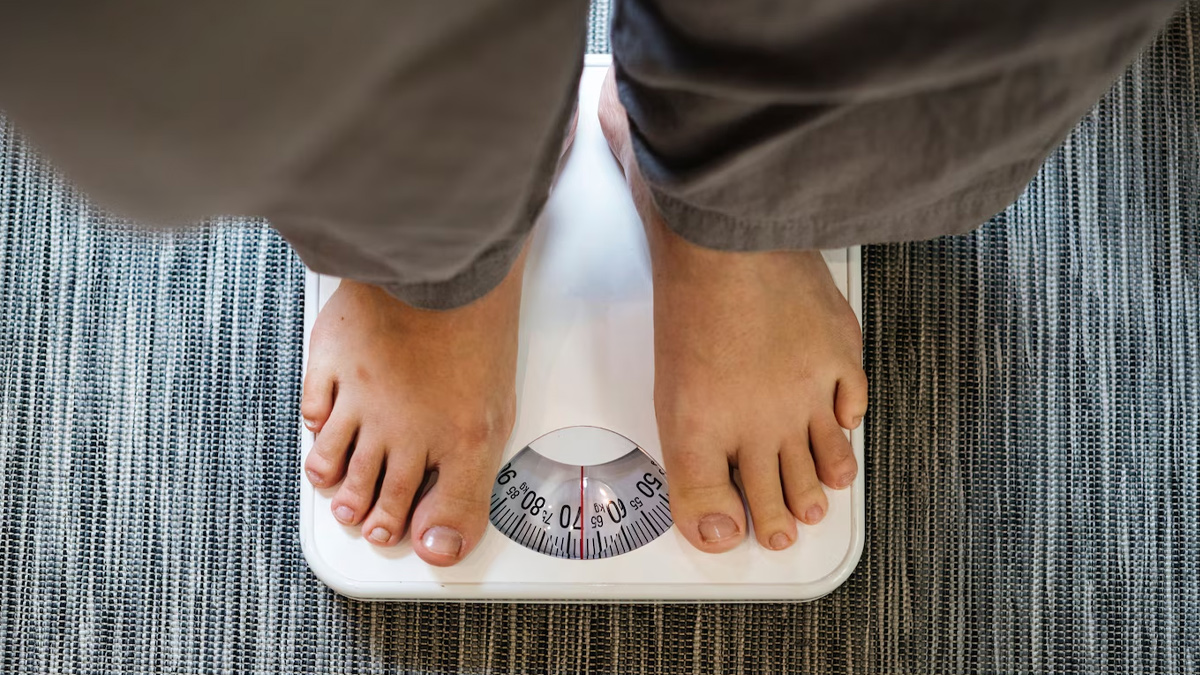
Many people are not aware of what water weight actually is. Our expert explains it for us. “Water weight is the extra fluid your body holds in its tissues, and it is not the same as fat because it comes from water that your body has not yet removed. This can happen when you eat too much salt, have hormonal changes, are stressed, do not drink enough water, or stand or sit for long hours,” shares Dr Pillai.
 water w8 inside 1
She adds, “Water weight can make you feel bloated, heavy, or puffy in areas like the stomach, face, hands, or legs; but it usually changes quickly within a few days. Losing water weight is common after reducing salt, drinking more water, exercising, or eating more fruits and vegetables, so it is temporary and not a sign of real fat gain.”
What Causes Water Retention?
But what causes water retention in our body? Our expert shares that water retention happens when your body holds extra fluid in tissues, and it can be caused by:
- Eating too much salt.
- Not drinking enough water.
- Hormonal changes during menstruation or menopause.
- Certain medications like steroids, blood pressure drugs, or birth control.
- Standing or sitting for long periods can also make fluids collect in your legs or feet.
- Medical conditions like kidney, liver, or heart problems can cause more serious water retention.
- Stress or a poor diet with low protein may contribute too.
“When the body senses an imbalance, it keeps water to maintain proper function, causing swelling, puffiness, or bloating, so water retention is often temporary but should be checked by a doctor if it becomes frequent or severe,” adds Dr Pillai.
Also Read: Still Not Losing Fat Despite a Calorie Deficit? Fitness Coach Reveals 5 Surprising Reasons Why
How Can You Tell If It’s Water Weight?
Differentiating between water weight and regular weight can seem tricky. But our expert shares how you can do it the correct way.
“You can tell it’s water weight if your body feels bloated, puffy, or heavier than usual without a real increase in fat. It often shows up in areas like the stomach, hands, feet, or ankles. It can change quickly from day to day depending on salt intake, hydration, or hormonal changes,” says Dr Pillai.
 water w8 inside 2
She continues, “Water weight usually comes with swelling that leaves a small dent when you press on the skin, called ‘pitting’. While such is not the case with fat. Water weight often goes away after drinking more water, reducing salty foods, exercising, or resting. Tracking sudden changes on the scale over a few days can help you see if the weight fluctuates quickly, which is a sign it is mostly water, not fat.”
Tips To Reduce Water Weight
On this note, Dr Pillai shares tips to reduce water weight:
- Drink plenty of water because staying hydrated helps your body release extra fluid.
- Cut back on salty foods since too much salt makes your body hold water.
- Eat more fruits and vegetables that are high in potassium like bananas and spinach, which help balance fluids.
- Exercise regularly to improve circulation and help the body sweat out excess water.
- Avoid sitting or standing for too long without moving, as this can make fluid collect in your legs or feet.
- Getting enough sleep and managing stress also support fluid balance.
- If needed, wearing compression socks can reduce swelling in the legs.
“Overall, small lifestyle changes can help your body release water weight naturally,” adds the expert.
When To See A Doctor?
We often tend to ignore signs of something serious, which seems trivial in the beginning. Similarly, how do we know that the water weight we are gaining is normal or not?
“You should see a doctor if water weight or swelling happens suddenly, becomes severe, or does not go away with simple lifestyle changes, and also if it is accompanied by other symptoms like shortness of breath, chest pain, trouble urinating, fatigue, or high blood pressure. These may signal serious problems with the heart, kidneys, or liver. Persistent swelling in one leg or arm could indicate a blood clot, which needs immediate attention,” shares the expert.
“If you notice frequent bloating, puffiness, or unexplained weight changes that interfere with daily life, it is better to get checked. A doctor can find the underlying cause, provide proper treatment, and prevent complications, rather than assuming it is just water weight,” concludes Dr Pillai.
Also Read: Myth Or Fact: Can Sparkling Water Help Manage Weight Loss?
The Final Word
Water weight is the extra fluid your body holds in its tissues, and it is not the same as fat because it comes from water that your body has not yet removed. This can happen when you eat too much salt, have hormonal changes, are stressed, do not drink enough water, or stand or sit for long hours. One can reduce it by making simple and healthy lifestyle changes.
FAQ
How to get rid of water weight?
To lose water weight, reduce sodium intake, stay hydrated by drinking plenty of water, and increase physical activity to promote sweating and circulation.How do you tell if you have water weight?
You can know if you have water weight by looking for signs such as rapid weight fluctuations, swelling in areas like your legs, ankles, and abdomen.What are common causes of water weight?
Some of the common causes include high-sodium foods, refined carbohydrates and alcohol, all of which can cause your body to hold onto more fluid.
All possible measures have been taken to ensure accuracy, reliability, timeliness and authenticity of the information; however Onlymyhealth.com does not take any liability for the same. Using any information provided by the website is solely at the viewers’ discretion. In case of any medical exigencies/ persistent health issues, we advise you to seek a qualified medical practitioner before putting to use any advice/tips given by our team or any third party in form of answers/comments on the above mentioned website.
How we keep this article up to date:
We work with experts and keep a close eye on the latest in health and wellness. Whenever there is a new research or helpful information, we update our articles with accurate and useful advice.
-
Current Version
Jan 03, 2026 20:30 IST
Modified By : Chanchal Sengar Jan 03, 2026 20:30 IST
Modified By : Chanchal SengarJan 03, 2026 20:30 IST
Published By : Shruti Das
Reviewed By : Dr. Pooja Pillai