It is normal to sweat between the legs and around the groin, particularly during exercise, in warm temperatures or when wearing tight clothing. However, for some, this spot remains unusually damp even when they are not very active.
This is in part because of the anatomical features. The groin, area between the legs, is a warm skin fold that can collect sweat and slowly evaporate. For some, the amount of sweating is normal; for others, it can indicate a skin issue. Knowing what is happening can help prevent chafing, rashes and infections.
Why Does The Groin Sweat So Much?
The groin naturally gets warmer and has less airflow than exposed areas of skin. Dr Aravinda S N, Lead Consultant, Internal Medicine, at Aster RV Hospital, Bangalore, explains, “This area isn't just ‘sweatier by coincidence’. It's anatomically set up to sweat more and to hold onto that sweat longer than most other parts of the body.”
It sits close to the body's core temperature-regulating vessels. And it's also one of the regions where excessive sweating, when it happens on its own without any obvious trigger, has an actual medical name: inguinal, or Hexsel's, hyperhidrosis.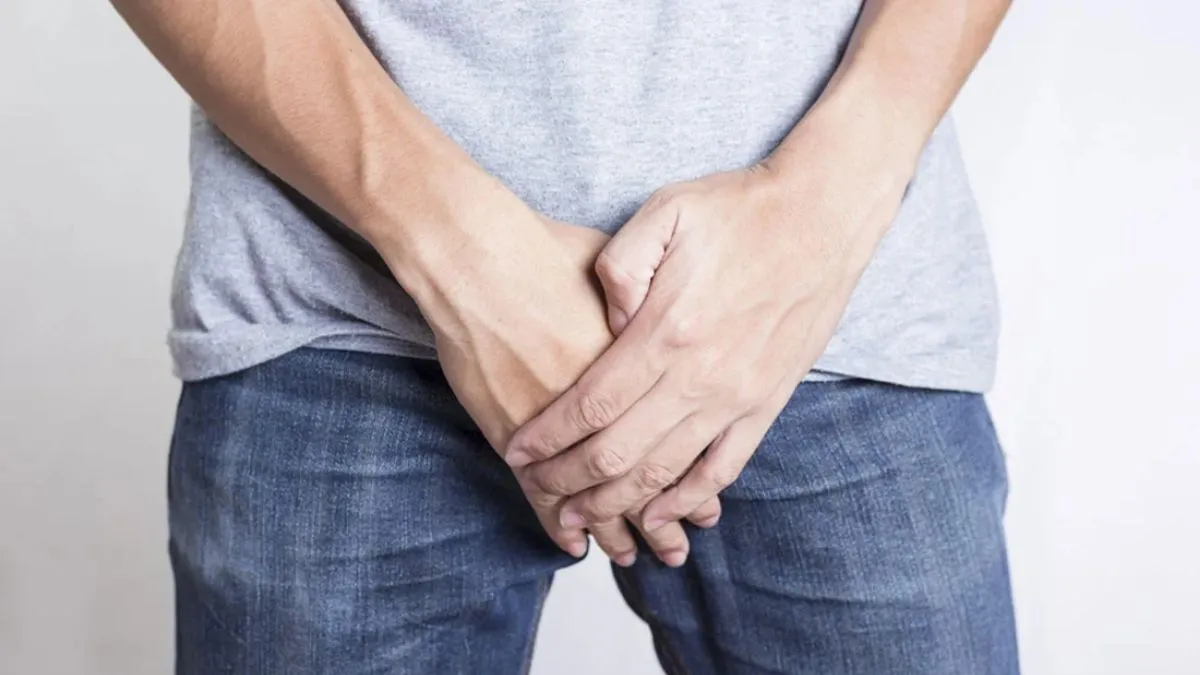
A BMC Geriatrics study describes the mechanism and primary regions affected by excessive sweating between the legs. Intertrigo is an inflammatory condition in restricted skin folds like the groin and under the breasts driven by friction and trapped sweat.
Occlusion prevents evaporation, leading to overhydration, skin maceration, and a broken-down stratum corneum barrier. This warm, moist environment increases friction and susceptibility to painful inflammation and secondary fungal or bacterial infections.
What Makes Leg Area Sweat More Than Most Other Skin?
According to Dr Aravinda, a few things stack together here:
- It's a true skin fold, so moisture from normal perspiration can't evaporate the way it would on exposed skin. Trapped moisture is where almost everything else starts.
- Constant skin-on-skin friction from walking and movement generates heat and worsens moisture retention, creating a feedback loop: more friction, more sweat, more friction.
- The region runs naturally warmer and less ventilated than most of the body, especially in tight or synthetic clothing, which compounds heat-triggered sweating.
For some people, it's not ordinary sweat at all. It's primary focal hyperhidrosis specific to the groin, where sweat glands are overactive without a clear external trigger. The exact cause isn't fully understood, but it's thought to involve overactivity in the nervous system that controls sweating, rather than a fault in the glands themselves.
Sweat, Intertrigo, or Fungal Infection: How to Tell Them Apart
Dr Aravinda breaks down the distinguishing signs:
- Plain sweat-related discomfort usually means dampness, mild chafing, and maybe some odour, without a visible rash.
- Intertrigo typically looks like a reddish, sometimes raw-looking rash confined to where skin touches skin, often with a burning or stinging sensation rather than itching alone.
- A fungal infection (tinea cruris, or "jock itch") tends to have a more defined, often ring-like or spreading red border, frequently itchy, and classically worse in hot, humid conditions or with excessive sweating.
- Sudden, foul odour, satellite spots beyond the main rash, or symptoms not improving with basic drying and hygiene suggest it's moved past simple sweat into infection territory, needing a proper look rather than home management alone.
Are Some People More Prone to Get Sweat Between Legs?
Yes, according to Dr Aravinda. “People who are overweight, since deeper skin folds mean more skin-on-skin contact and less airflow.,” he adds.
Those with diabetes, since elevated blood sugar can specifically promote yeast overgrowth. People in hot, humid climates, or anyone who exercises heavily without changing out of damp clothing promptly.
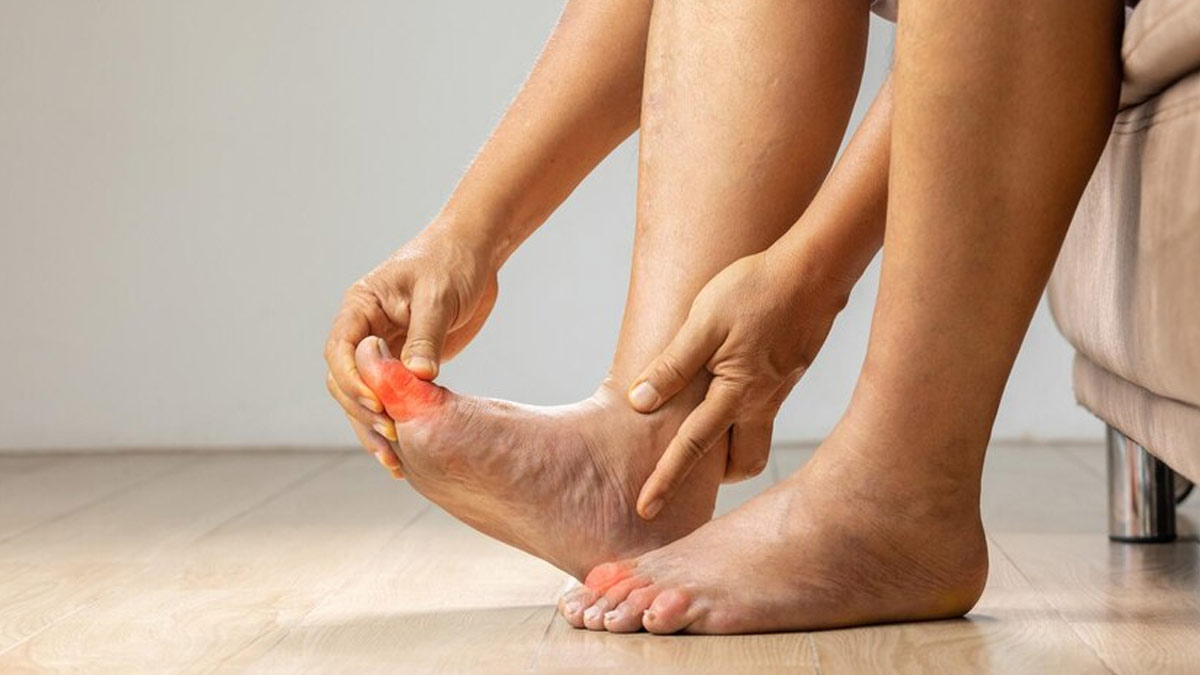
Anyone with generalised or focal hyperhidrosis affecting other areas too, like the palms or underarms, since the same underlying tendency can show up in the groin.
What Actually Helps Manage This?
Dr Aravinda's practical advice:
- After showering and/or sweating, keep the area dry, not just wiped dry, as moisture is what begins the cycle.
- Wear natural-fibre underwear and avoid synthetic, tight-fitting pants that bind and retain heat and moisture.
- You might want to use a drying powder as unscented and talc-free are preferred to absorb moisture throughout the day.
- Replace soiled or wet clothing as soon as practicable and not after hours.
- If the intertrigo or infection is already present, the treatment is likely to be directed at the fungus or the bacteria as well as increased hygiene; so it is better to identify it properly than to guess.
- If sweating is a problem and severely impacting quality of life, a dermatologist can discuss treatment options, such as clinical-strength antiperspirants, or more targeted treatments for those who have a true case of hyperhidrosis in this area.
When Should This Be Seen by a Doctor?
Dr Aravinda recommends getting checked if:
- A rash arises and fails to clear up with ordinary drying and cleanliness in a week or two.
- A strong odor, spreading redness, or small pimples outside of the affected area.
- The sweating is also not related to activity or heat levels and is causing some discomfort, changes in clothing habits and/or confidence in the person's ability.
- If you have diabetes or an immune deficiency, and see any skin changes in this area, you should be aware that infection can be more serious in these cases..
ALSO READ- Persistent Itching In Legs? This May Be An Early Sign Of Vein Problem
Conclusion
Sweating between the legs is often normal because the groin is warm, enclosed and prone to friction. But persistent moisture can damage the skin and create conditions where intertrigo, fungal infections or other skin problems develop.
As Dr Aravinda explains, “The region is naturally warmer and less ventilated than most of the body.” Keeping it dry, reducing friction and choosing breathable clothing can help. If sweating is excessive or a rash develops, however, it is better to find the cause rather than treating the moisture alone.
FAQ
1. Can certain foods or drinks make groin sweating worse?
Spicy foods, caffeine, alcohol and other substances are all known to cause immediate excessive sweating throughout the body including the groin region, as they activate the neural pathways responsible for sweating. This is generally temporary and is not a by itself sign of underlying issues.2. Do men have reduced sweating or skin irritation when they shave or remove the hair in this area?
It is possible to turn it either way. Others may be less sensitive to moisture and odor caused by less hair, but others may have more friction and irritation that can be caused by regrowth or sensitivity from the razor, which can make chafing worse. Be careful, don't take any gambles with it, and it's worth trying out from time to time, just in case it's different for everyone.
All possible measures have been taken to ensure accuracy, reliability, timeliness and authenticity of the information; however Onlymyhealth.com does not take any liability for the same. Using any information provided by the website is solely at the viewers’ discretion. In case of any medical exigencies/ persistent health issues, we advise you to seek a qualified medical practitioner before putting to use any advice/tips given by our team or any third party in form of answers/comments on the above mentioned website.

How we keep this article up to date:
We work with experts and keep a close eye on the latest in health and wellness. Whenever there is a new research or helpful information, we update our articles with accurate and useful advice.
-
Current Version
Sep 17, 2026 15:05 IST
Modified By : Vivek Kumar Sep 17, 2026 15:05 IST
Published By : Vivek Kumar
Reviewed By : Dr. Aravinda S N