-1788171024209_m.webp)
Long before modern medicine existed, people looked to something far closer to home for healing. Their own bodily waste. Urine therapy has been practised across cultures and centuries, promoted as a cure for everything from asthma to cancer. It sounds absurd today, but its history is genuinely well documented.
Urine therapy, also called urotherapy or urinotherapy, is the practice of drinking or applying human urine for supposed medicinal or cosmetic benefit. Known as Shivambu in Ayurveda and amaroli in medieval hatha yoga, it has roots in ancient Egypt, India, and China. However, no scientific evidence supports any of its claimed health benefits.
What Was Urine Therapy Actually Used to Treat?
The claimed uses were remarkably broad. In Indian Ayurvedic medicine, urine was used to treat asthma, allergies, indigestion, wrinkles, and even cancer, according to The Conversation. The Roman poet Catullus reportedly believed urine could whiten teeth, likely due to its ammonia content.
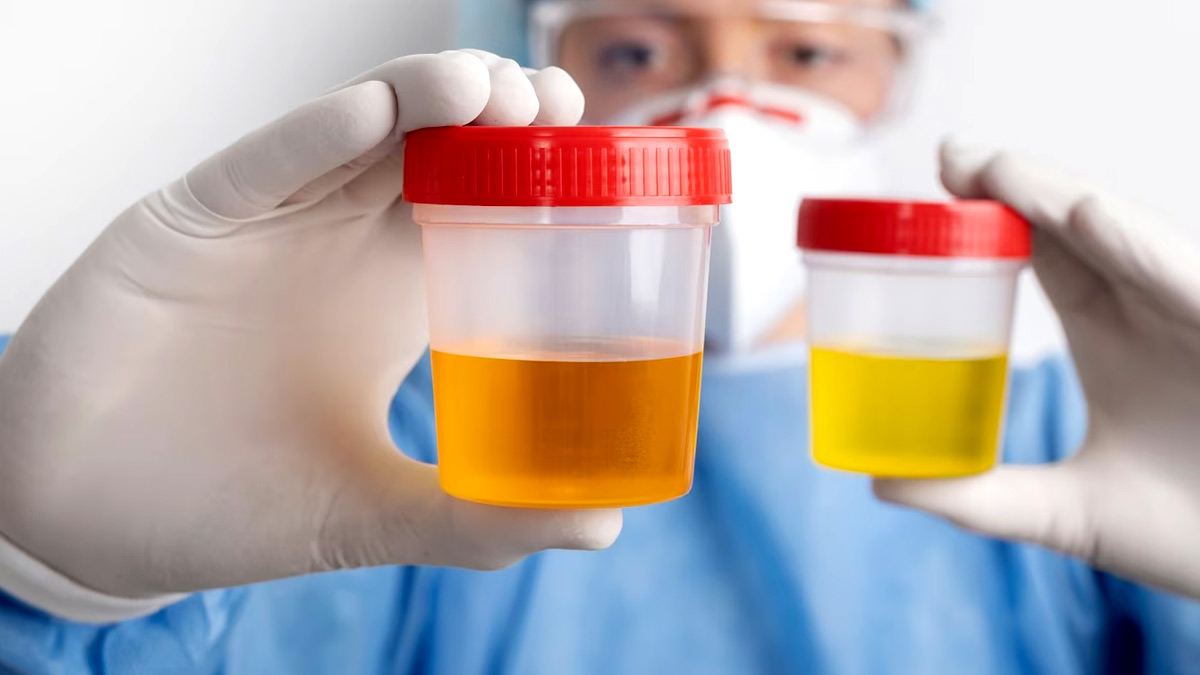
Skin care claims were especially persistent. Urine has long been considered useful for skin care, a fact reportedly known by the ancient Egyptians, according to Anandkunj's historical overview of the practice. This claim has some genuine chemical basis, since urea, a compound found in urine, is still a recognised ingredient in modern skin creams today.
Quick Reference Glossary
Term |
Meaning & Context |
Modern Medical Reality |
Shivambu |
It means the water of Shiva in Sanskrit. Refers to the traditional Indian spiritual and Ayurvedic practice of consuming one's own morning urine for longevity and vitality. |
No clinical evidence supports its health claims. |
Amaroli |
A specific medieval Hatha Yoga and Tantric practice where one drinks the middle stream of morning urine while discarding the first and last drops. |
Even if you throw away the first part of your urine to avoid germs, the liquid that remains is still just waste from your body. |
Uroscopy |
The ancient diagnostic practice of visually inspecting a patient's urine colour, cloudiness, sediment, and smell to diagnose illnesses. |
A historical predecessor to modern medicine, now entirely replaced by chemical urinalysis and automated lab panels. |
Urotherapy (or Urinotherapy) |
The term for using human urine for health or cosmetic purposes, whether ingested, applied topically, gargled, or injected. |
Medically unsupported. Dermatologists and toxicologists advise against it due to infection, dehydration, and contamination risks. |
Urea |
A natural compound formed when the body breaks down protein, excreted primarily through urine. |
While pharmaceutical-grade, lab-synthesised urea is a proven hydrating agent in prescription skin creams. |
How Far Back Does Urine Therapy Actually Go?
Ancient Egyptian medical texts reference urine based remedies, according to a historical review published on Prehealing. Traditional Chinese medicine incorporated urine into various formulations too. In India, Ayurvedic medicine included urine therapy, known as Shivambu, though its role there was more limited than modern proponents often suggest.
Even diagnosis relied on urine in the ancient world. Uroscopy, the practice of visually examining a patient's urine to diagnose illness, dates back to the 4th millennium BC and became common practice in Classical Greece, according to Wikipedia's documented medical history.
Did Modern Doctors Ever Take Urine Therapy Seriously?
Yes, at least one did, with results that didn't hold up. In the 1950s, Greek physician Evangelos Danopoulos reported identifying anti-cancer properties in urea and claimed success treating certain skin and liver cancers, according to a detailed historical review on Prehealing.
However, subsequent attempts by other researchers to replicate his findings were unsuccessful, a pattern that has repeated throughout urotherapy's history: enthusiastic early claims followed by failed independent verification.
Is Urine Therapy Still Practised Today?
Surprisingly, yes. Urine therapy is practised by millions of people worldwide, taken orally, by injection, inhalation, or gargled, according to various reports. Back in July 2025, Indian Actor Paresh Rawal claimed to sip his own urine.
BREAKING 🚨 Paresh Rawal says I drank my urine every morning for several days, this cured all my diseases 🤦🏻♂️
— Shruti Dhore (@ShrutiDhore) April 27, 2025
Whenever these ignorant blind devotees open their mouth, they either talk about cow urine or drinking their own urine.
People of the world laugh at us because of these… pic.twitter.com/T5uJUVvrmi
In an interview, he revealed that he was advised to take the first urine of the day and sip it like a beer as it would make his bones strong. He stated that his knee healed much faster than doctors expected.
What We Got Wrong: The Misconceptions Behind Urine Therapy
Looking back, the reasoning behind urine therapy rested on several ideas that don't hold up:
- Wrong premise: Urine is treated as a source of hidden nutrients, when it's actually the body's waste output, already filtered out because it isn't needed
- Wrong concentration: Compounds like urea exist in urine, but not at concentrations high enough to produce the dramatic effects claimed
- Wrong replication: Early claims, like Danopoulos's cancer research, were never successfully repeated by independent scientists
- Wrong universality: A single substance was claimed to treat wildly unrelated conditions, from asthma to wrinkles to cancer, with no real supporting mechanism
- Wrong safety assumption: Drinking urine carries genuine health risks, despite being framed as a natural, harmless remedy
ALSO READ- Pig Thyroid Glands Were Once Used As Medicine: Are They Still Used Today?
Conclusion
Urine therapy isn't a modern fringe fad. It's a practice with genuine roots stretching back thousands of years, across Egypt, India, China, and beyond. What's kept it alive isn't scientific evidence, since there is none, but a mix of ancient tradition, occasional celebrity endorsement, and the enduring, understandable hope for a simple, at home cure.
Modern science has consistently failed to validate its claims, making this less a medical treatment and more a fascinating case study in why unproven remedies persist.
FAQ
1. Is there any legitimate modern medicine derived from animal urine?
Yes, interestingly. Conjugated estrogens, a hormone therapy medication, are manufactured by purifying compounds from horse urine.2. Does drinking urine actually pose any real health risks?
Yes. Drinking urine carries a number of documented health risks, despite its portrayal as a natural remedy, which is why health experts do not recommend the practice.
All possible measures have been taken to ensure accuracy, reliability, timeliness and authenticity of the information; however Onlymyhealth.com does not take any liability for the same. Using any information provided by the website is solely at the viewers’ discretion. In case of any medical exigencies/ persistent health issues, we advise you to seek a qualified medical practitioner before putting to use any advice/tips given by our team or any third party in form of answers/comments on the above mentioned website.
How we keep this article up to date:
We work with experts and keep a close eye on the latest in health and wellness. Whenever there is a new research or helpful information, we update our articles with accurate and useful advice.
-
Current Version
Aug 31, 2026 15:41 IST
Modified By : Vivek Kumar Aug 31, 2026 15:41 IST
Published By : Vivek Kumar