
Long before synthetic tablets existed, doctors treating an underactive thyroid had only one real option. They turned to the thyroid glands of pigs. It sounds like an odd footnote in medical history, but it was, for a long time, one of the most effective treatments medicine had to offer.
Pig thyroid glands were used to make medicine because they naturally contain T4 (thyroxine) and T3 (triiodothyronine). They are the identical essential hormones produced by the human thyroid gland. Interestingly, it is still used till date in another way. Here's how it came about, and why it eventually fell out of favour.
What Is Desiccated Thyroid Extract, and Why Pig Glands?
Desiccated thyroid extract, sometimes called DTE or natural desiccated thyroid, is made from purifying and drying the thyroid glands of pigs, according to the American Thyroid Association. It contains a mix of the same hormones the human thyroid naturally produces, thyroxine and triiodothyronine, commonly known as T4 and T3.
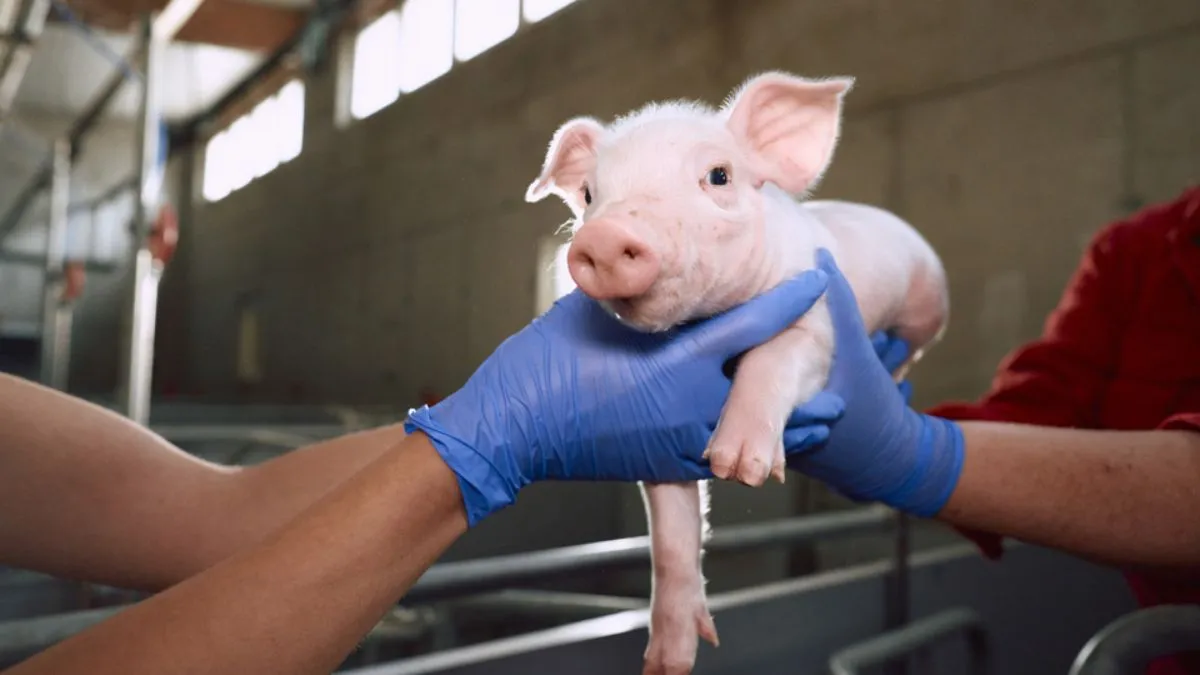 Pig Thyroid Glands
Pig glands became the standard source largely because pigs were already being processed for food at scale. According to Wikidoc's documented history of the treatment, desiccated thyroid extract was prepared inexpensively from pig and cow thyroid glands, giving a new use to parts that were previously unwanted slaughterhouse offal.
ALSO READ- Heroin for Cough Relief? Explore Why Doctors Prescribed It for Tuberculosis and Pneumonia
Quick Facts: The Story of Pig Thyroid Medicine
- Who: Patients with severe hypothyroidism (underactive thyroid) and myxedema who previously had no effective medical treatment.
- When: First developed in the early 1890s using dried animal glands; remained the global medical standard until synthetic options took over in the 1970s.
- Why: Pig (porcine) thyroid glands naturally contain the vital hormones $T_3$ and $T_4$. In an era before lab-synthesized hormones existed, dried animal extract was the only available way to restore life-sustaining hormone levels.
When Was Pig Thyroid First Used as Medicine?
The practice traces back to 1891, when George Redmayne Murray, a doctor in the United Kingdom, first described treating myxedema, a severe form of underactive thyroid, using thyroid extract. He went on to publish results showing long term success with the treatment, according to Wikipedia's documented medical history.

From there, pork, or mixed beef and pork, thyroid preparations were developed through the late 1800s and became the earliest oral treatment available for hypothyroidism. Until the early 1970s, the majority of people with an underactive thyroid were treated with natural desiccated thyroid, according to a review published on PMC.
How Was the Dose of Pig Thyroid Medicine Actually Measured?
This is where the story gets a little unsettling by modern standards. Before proper hormone testing existed, potency was measured only by iodine content, not by the actual amount of active hormone inside each pill, according to Wikipedia's documented history. In other words, doctors and patients had far less precision over dosing than anyone would expect from a hormone medicine today.
Is Pig Thyroid Medicine Still Used Today?
Yes, though it's now a minority option. According to the American Thyroid Association, synthetic levothyroxine is the standard, recommended therapy for hypothyroidism today, but a subset of patients still choose desiccated thyroid extract instead.
There's also a genuinely current twist to this old story. In August 2025, the FDA announced a policy shift affecting desiccated thyroid extract, reclassifying how porcine thyroid products are regulated, according to a report from A4PC, a pharmacists' advocacy organisation. This has raised concerns among patients who specifically rely on the porcine version rather than synthetic alternatives.
Why Did Synthetic Thyroid Medicine Eventually Take Over?
Synthetic thyroxine and triiodothyronine were both developed in the 1950s, manufactured in a lab rather than sourced from animal glands, according to A4PC. Synthetic versions offered something pig thyroid never could, precise, standardised dosing of a single hormone, rather than a variable mix of whatever a pig's gland happened to contain.

That precision is exactly why regulatory bodies and most doctors shifted toward levothyroxine as the default treatment. Even so, some patients report feeling better on the natural version, since it contains both T4 and T3 rather than T4 alone, which is part of why pig thyroid extract never fully disappeared.
Conclusion
Pig thyroid glands weren't some obscure home remedy. For nearly a century, they were the only real treatment available for hypothyroidism, born out of clever repurposing of slaughterhouse material at a time when hormone science was still catching up. Synthetic thyroid medicine eventually took over because it offered precision that a dried animal gland simply couldn't. Yet, remarkably, the pig thyroid version never fully vanished, and it's still part of a very current regulatory conversation today.
FAQ
1. Can someone be allergic to pig thyroid medicine specifically?
Yes, patients with a known allergy to pork-derived products should avoid desiccated thyroid extract, since it's made directly from porcine tissue.2. Does pig thyroid medicine work faster or slower than synthetic thyroid pills?
Because desiccated thyroid extract contains T3, the more immediately active thyroid hormone, alongside T4, some patients report feeling effects a little differently compared to T4-only synthetic medication.
All possible measures have been taken to ensure accuracy, reliability, timeliness and authenticity of the information; however Onlymyhealth.com does not take any liability for the same. Using any information provided by the website is solely at the viewers’ discretion. In case of any medical exigencies/ persistent health issues, we advise you to seek a qualified medical practitioner before putting to use any advice/tips given by our team or any third party in form of answers/comments on the above mentioned website.
How we keep this article up to date:
We work with experts and keep a close eye on the latest in health and wellness. Whenever there is a new research or helpful information, we update our articles with accurate and useful advice.
-
Current Version
Aug 27, 2026 16:37 IST
Modified By : Vivek Kumar Aug 27, 2026 16:37 IST
Published By : Vivek Kumar