


The holiday season is here, finally. Christmas and New Year are knocking at our doors. This is the time when the majority of us break away from our daily routines. Many people even give into over indulgence and stay awake till late. This may not be as harmless as it may seem. These holiday habits can affect your heart health negatively. In fact, experts believe there’s a spike in heart attack cases during Christmas and New Year, globally. Today, we will tell you all about it.
Table of Content:-
To get a better understanding of this, we reached out to Dr Ansul Patodia, Additional Director - Cardiology & Electrophysiology, CK Birla Hospitals, Jaipur and Dr Joy Shome, Senior Consultant in Cardiology and Head of Transcatheter Aortic Valve Replacement/ Implantation (TAVR/ TAVI) at BM Birla Heart Hospital. Read on.
Is There A Spike In Heart Attacks During Holiday Season?
First, let us tell you whether it is true or not – is there really a spike in heart attack cases during christmas and new year? Our experts answer.
“Yes, there is a worldwide trend of an increase in heart attacks around Christmas and New Year's. A ‘perfect storm’ for cardiac events is created by the combination of cold weather, festive stress, disturbed routines, and decadent eating, particularly in those who already have risk factors like obesity, diabetes, hypertension, or a history of heart disease,” explains Dr Patodia.
To this, Dr Shome adds, “Many individuals also ignore early warning symptoms during celebrations, leading to delayed hospital arrivals. The combination of emotional stress, heavier meals and sudden temperature exposure places additional strain on the heart, increasing the risk of cardiac events.”
Also Read: Winter Heart Emergencies: Why Cold Weather Triggers More Valve Problems and Heart Attacks
Can Holiday Habits Put Your Heart Health At Risk?
Is holiday habits the sole reason behind the rise in cardiac arrests during this time? “Holiday habits do play a major role. Excessive salt, sugar, and heavy meals increase blood pressure and put additional strain on the heart. Alcohol consumption also goes up during this time, which can cause irregular heart rhythms, popularly called holiday heart syndrome. Lack of sleep, emotional stress, and skipping regular medications further amplify the risk,” shares Dr Patodia.
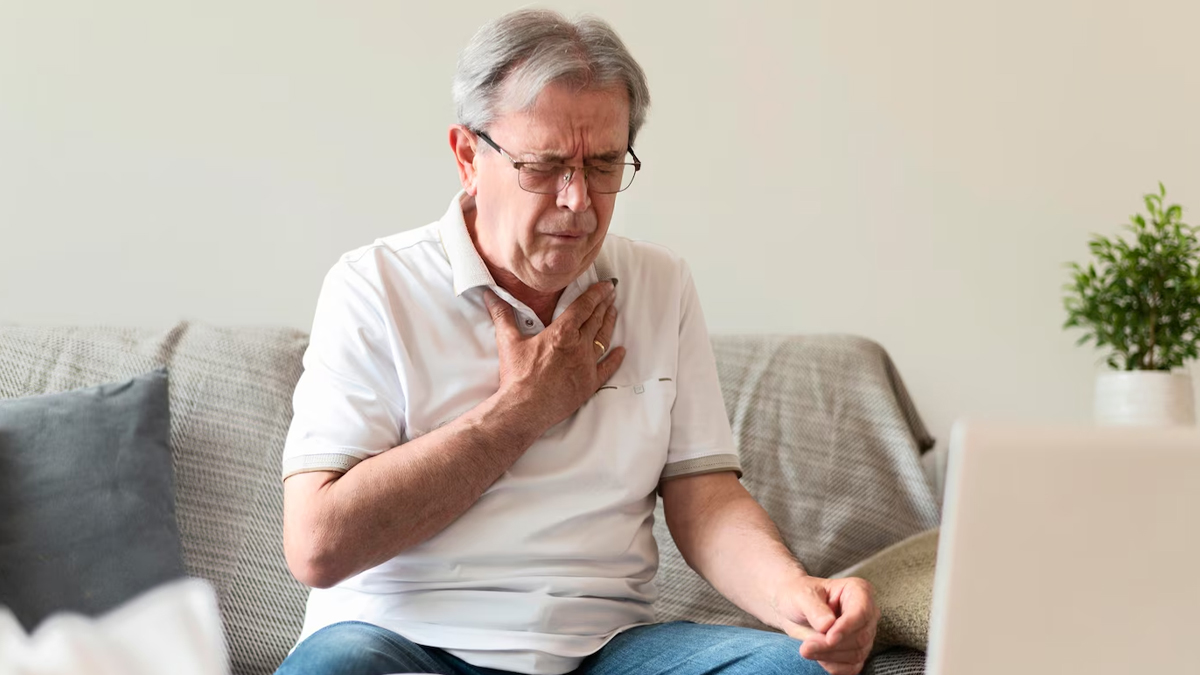
Dr Shome seconds this view. “Absolutely. Holiday habits such as binge eating, high salt consumption, increased alcohol intake, late-night celebrations and lack of sleep can all elevate blood pressure, spike cholesterol levels and trigger arrhythmias. People also tend to skip their regular medications or become irregular with diabetes and hypertension control during travel and festive gatherings. These fluctuations, even over a few days, can destabilise the heart, especially in those with existing heart conditions.”
Can Winter Put Your Heart Health At Risk?
Is there a link between heart health and the cold weather? Let’s find out.
Dr Patodia shares that winter is a known cardiac stressor. “Low temperatures cause blood vessels to constrict, increasing blood pressure and the workload on the heart. For people with existing blockages, this can trigger angina or even a heart attack. Cold weather also increases the chances of respiratory infections, which can indirectly stress the heart as well,” he explains.
Dr Shome adds to this and mentions, “Individuals with valve disease, hypertension or previous heart attacks are particularly vulnerable during winter. Sudden exposure — like stepping out early in the morning or exercising outdoors in low temperatures — can further increase risk.”
How To Prevent Holiday Heart Attacks?
But are holiday heart attacks inevitable or can they be prevented? Dr Shome answers, “Prevention starts with awareness. People with hypertension, diabetes, high cholesterol or previous heart conditions should be especially cautious during the festive season. Avoid overeating, do not mix alcohol with strenuous activity, stay physically active, and ensure that medications are taken on time even when travelling. Keep warm, monitor blood pressure if possible and avoid ignoring early symptoms. Quick medical intervention saves lives. Festive seasons should bring joy—not unexpected heart emergencies.”
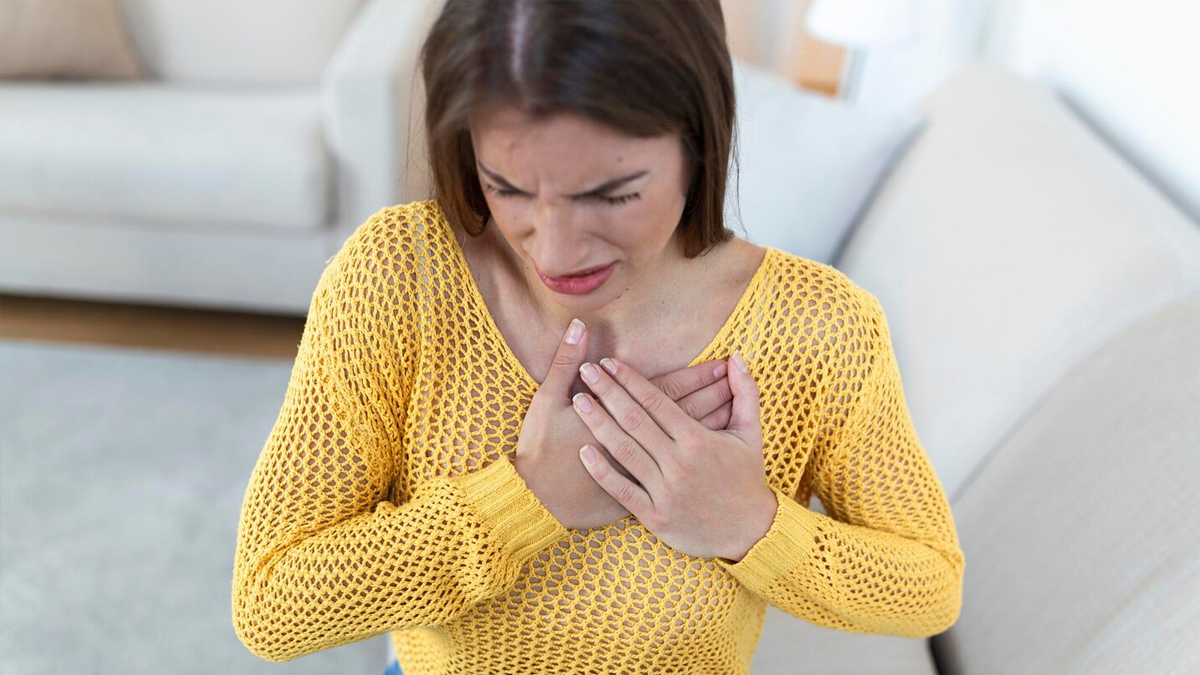
Dr Patodia adds, “Preventing holiday heart attacks requires awareness and timely action. Listen to your body. Don’t ignore warning signs like chest pain, breathlessness, shoulder/jaw discomfort, unusual fatigue, or palpitations. Make conscious food choices, keep stress in check, and ensure adequate sleep. Most importantly, seek immediate medical care if symptoms arise, early treatment can save a life.”
Tips To Keep Your Heart Healthy During Holidays
On this note, Dr Shome share tips to keep your heart healthy during holiday season:
- Eat smaller, balanced meals and avoid heavy late-night feasts.
- Limit alcohol intake and stay hydrated.
- Continue regular medications without interruption.
- Stay warm and avoid sudden exposure to cold temperatures.
- Maintain light physical activity and avoid strenuous exertion in the early morning.
- Manage stress by taking breaks, sleeping adequately and avoiding overexertion during travel or celebrations.
- Seek medical help immediately if there is chest discomfort, unusual fatigue, breathlessness or palpitations.
Also Read: Rise in Heart Attacks Linked to High AQI—Doctors Sound Alarm
The Final Word
There is a worldwide trend of an increase in heart attacks around Christmas and New Year's. This is possibly caused by the combination of cold weather, festive stress, disturbed routines, and decadent eating, particularly in those who already have risk factors like obesity, diabetes, hypertension, or a history of heart disease.
Also watch this video
FAQ
What is a holiday heart attack?
The term ‘holiday heart syndrome’ (HHS) is used to describe the manifestation of cardiac arrhythmias following a period of binge drinking, often observed during weekends and holidays.Why are there so many heart attacks on Christmas?
Multiple factors may contribute to this such as the increased stress that occurs this time of year, overindulgence in alcohol and foods, as well as the cold weather.At what age are heart attacks most fatal?
The majority of heart attack deaths occur in patients ages 65 and older.
How we keep this article up to date:
We work with experts and keep a close eye on the latest in health and wellness. Whenever there is a new research or helpful information, we update our articles with accurate and useful advice.
Current Version
Dec 15, 2025 13:23 IST
Published By : Shruti Das