


Sleep is not about just clocking eight hours, but about getting quality, uninterrupted rest that rejuvenates the body and mind. But in today's world, where digital connectivity and burnout rule, along with new-age, stress-driven lifestyle, broken or fragmented sleep has now become a common issue in the lives of many. From multiple midnight awakening and reaching for the phone at 2 a.m., to struggling to get back to sleep, disrupted sleep silently takes its toll on overall health. Even studies show that poor sleep continuity, also known as broken sleep, can affect everything from your heart to your mood and even metabolism.
Table of Content:-
What is Broken Sleep?
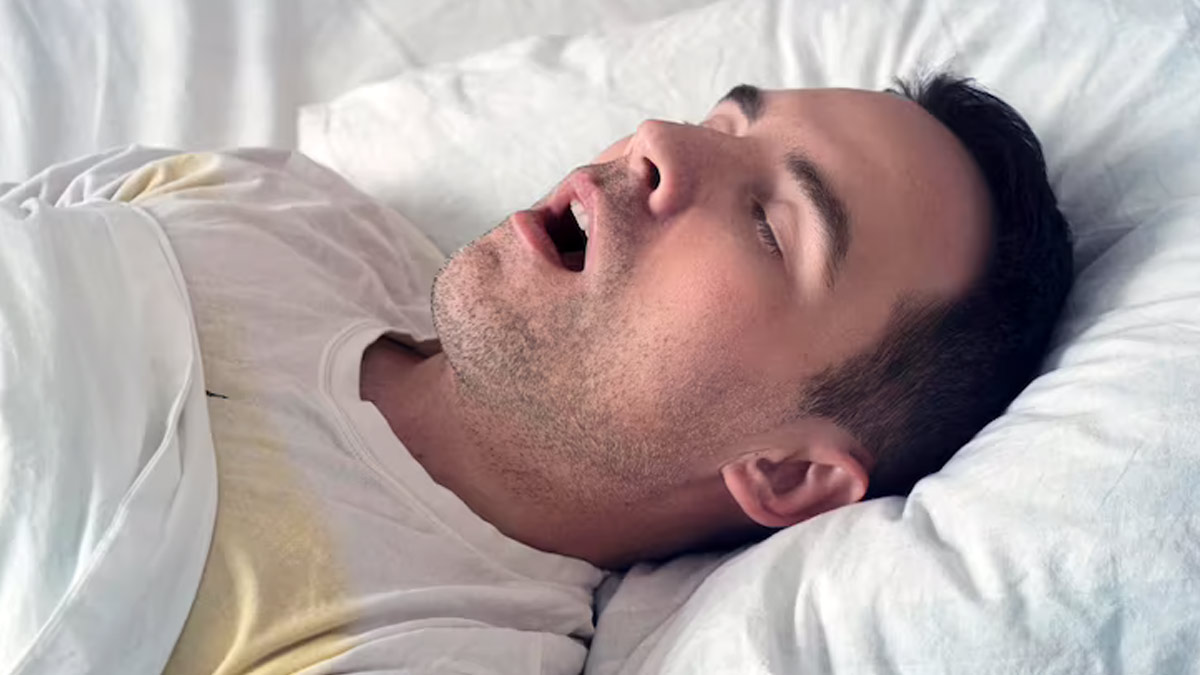
In an exclusive interaction with the editorial team of Onlymyhealth, Dr Majeed Pasha, Consultant, Pulmonology, Fortis Hospital, Nagarbhavi, Bengaluru explained that broken sleep is defined as a fragmented pattern of sleep, consisting of frequent awakenings or disruptions in the night that prevent an individual from going through full sleep cycles. “Even if someone is in bed for seven or eight hours, if they wake up several times, it reduces the restorative quality of sleep,” he shared. The interruption may be an effect of stress, caffeine, alcohol, a sleep-related disorder like sleep apnea, or simply poor sleep schedules.
Also Read: Expert Suggests The Best Way To Reduce Stroke Risk Is Controlled BP, Here's What You Need To Do

Health Hazards Of Broken Sleep
According to Dr Pasha, here’s how broken sleep affects our health:
1. Impairs Cognitive Function and Concentration
Sleep fragmentation directly impacts the way the brain will process and store information. "The brain consolidates memory and clears out the waste during deep sleep," Dr Pasha highlighted. When that process is disrupted, one may wake up feeling groggy, forgetful, and unable to focus. Poor quality sleep affects learning ability, decision-making, and creativity over time. People with chronic broken sleep often report brain fog and slower mental reactions, especially to high-demanding tasks.
2. Weakens Immune Function
Our immune system need adequate sleep to function well. Disrupted sleep suppresses natural defense, which are Cytokines, proteins produced during continuous sleep that fight infections and inflammation. “People who frequently wake up at night are more likely to fall sick or take longer to recover from common illnesses,” noted Dr Pasha. Long-term disruption may even increase the risk of chronic inflammation, linked to conditions like diabetes and heart disease.
3. Increases Risk of Heart Problems
A good sleep pattern maintains blood pressure and heart rate within normal ranges. But disrupted sleep triggers the body's stress response, leading to surges in cortisol and adrenaline levels. As Dr Pasha further explained, "These stress hormones can cause high blood pressure and inflammation-each of these factors is a risk factor for cardiovascular diseases." Additionally, research has revealed that people who don't sleep properly are likely to develop hypertension and irregular heartbeats over time.
Also Read: Is Your Lifestyle Raising Your Gestational Diabetes Risk? Find Out Here
4. Disrupts Metabolism and Weight Regulation
Sleep disturbance impacts hormones that regulate hunger, i.e. ghrelin and leptin. While ghrelin is known to increase appetite, leptin exhibits signals of fullness. “When you don't sleep properly, ghrelin rises and leptin drops, making you crave more food, especially high-calorie and sugary snacks,” shared Dr Pasha. This hormonal imbalance leads to overeating and weight gain, with a predisposition towards insulin resistance and, therefore, a higher risk of type 2 diabetes.
5. Affects Emotional and Mental Health
Sleep and mental health are interconnected. People with interrupted sleep are at an increased risk of irritability, anxiety, or emotional reactivity. “The brain’s emotional centers are highly active during REM sleep, and night awakenings often cut into this stage,” added Dr Pasha. Chronic sleep disruption exacerbates anxiety disorders, depression, and levels of stress. Sometimes, it could form a vicious circle; poor sleep promotes stress, and stress itself disrupts sleep.
6. Accelerates Aging and Skin Damage
Quality sleep repairs tissues and builds collagen. When sleep is interrupted, the skin's natural regeneration process slows down. "People with fragmented sleep often notice dull skin, dark circles, and premature wrinkles," he added.
How to Fix Broken Sleep?
To restore sleep quality, Dr Pasha suggested a regular pattern of sleep, no screen at least an hour before going to bed, less caffeine and alcohol, and sleep in a quiet, dark room. “If sleep disruptions persist for weeks, it’s time to consult a specialist in order to rule out underlying issues like sleep apnea or anxiety,” he pointed out.
Bottomline
Broken sleep is worse than one imagines. It silently affects brain health, immunity, metabolism, and emotional well-being. Therefore, prioritising uninterrupted rest is essential for long-term vitality, resilience, and overall well-being.
Also watch this video
FAQ
1. What are the main causes of broken sleep?
The causes of broken sleep are usually stress, caffeine, alcohol, irregular schedules, or health problems, such as sleep apnea and hormonal imbalances.2. Can short naps make up for broken sleep?
Naps can provide temporary relief but cannot replace the deep restorative cycles of uninterrupted nighttime sleep.3. When should you seek medical help for disrupted sleep?
If you repeatedly awaken for more than two weeks or continue to have daytime fatigue despite sufficient hours of sleep, see a sleep specialist.
Read Next
The Myth of the Annual Health Check: What Young Professionals Should Actually Be Testing For
How we keep this article up to date:
We work with experts and keep a close eye on the latest in health and wellness. Whenever there is a new research or helpful information, we update our articles with accurate and useful advice.
Current Version
Dec 14, 2025 22:11 IST
Published By : Tanya Srivastava