Beating cancer is a huge victory. But for many young survivors, a new question follows. Can I still have a baby? Treatment saves lives, yet it can quietly affect the cells that make eggs and sperm. So, can cancer treatment affect your fertility even after you recover? Yes, it can, and sometimes the effect only shows months or years later. But pregnancy often remains possible. This article brings advice from two doctors: oncologist Dr Sachin Biswal and gynaecologist Dr Suman Singh. It also looks at what recent research says.
Can Cancer Treatment Affect Fertility After Recovery?
Dr Sachin Sekhar Biswal, Consultant Medical Oncologist, Manipal Hospitals, Bhubaneswar, says, “Yes. Some treatments damage the cells that make eggs or sperm, and this damage can show up months or years later. Normal periods or a normal looking semen sample do not always mean fertility is back to normal.”
Dr Suman Singh, Consultant – Obstetrics, Gynaecology, Infertility and IVF, Rainbow Hospitals, Bangalore, says, “Therapies such as chemotherapy and pelvic radiation can damage ovarian follicles, reduce egg quantity and quality.” Cancer Treatment Affect Fertility
How Does Cancer Treatment Damage Fertility?
Dr Biswal explains, “Chemotherapy and radiation target fast dividing cells. Cancer cells divide fast, and so do the cells that make sperm and the cells around eggs. Treatment cannot tell them apart.”
- Women: They are born with a fixed number of eggs. Treatment can destroy some, and they are not replaced. This means a shorter fertile window and earlier menopause, even if periods return.
- Men: Sperms come from stem cells. If these survive, sperm often returns within a few years. If they are destroyed, the loss can be permanent.
- Pelvic radiation: It can reduce blood flow to the womb lining. This raises the risk of miscarriage or early birth.
- Brain treatment: It can disturb the hormones that control the ovaries and testes.
- Long-term hormone therapy: It can delay pregnancy for years.
A 2025 review in The Breast studied breast cancer survivors under 40. It measured AMH, a blood marker of egg reserve, 12 to 24 months after chemotherapy. The authors concluded that “more than half of BC survivors have severely reduced ovarian reserve after chemotherapy.” They also noted that periods are an unreliable marker of fertility.
ALSO READ- What Is Fertility Planning and How Can It Reduce the Risk of Genetic Conditions in Babies?
What Decides Your Fertility Risk?
Dr Biswal lists these factors:
- Drug type and dose. Alkylating drugs such as cyclophosphamide carry a higher risk.
- Radiation site. Near the pelvis or testes is riskier.
- Age at treatment. Younger patients usually have more egg reserve.
- Cancer type and overall health.
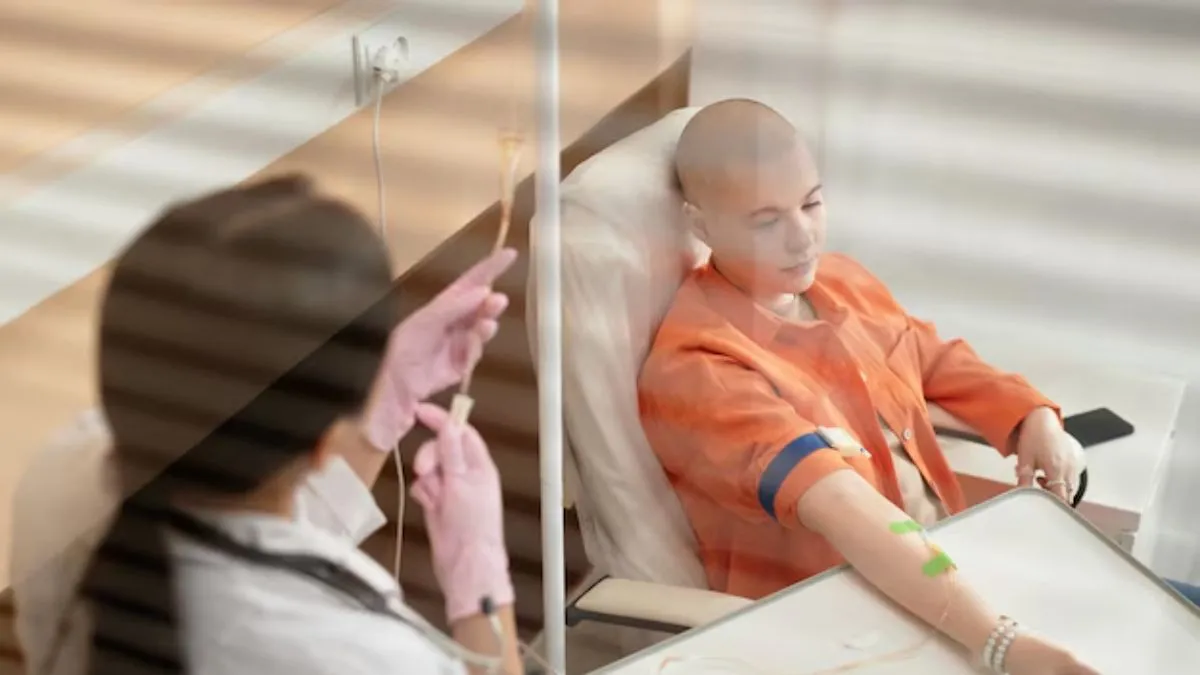 Pregnancy after Cancer Treatment
Can Surgery and Radiation Affect Carrying a Pregnancy?
Dr Singh explains, “Surgeries involving female reproductive organs or radiation to the uterus can impact a woman’s physical capability to carry a pregnancy to full term.”
Can You Protect Your Fertility Before Cancer Treatment?
“Freeze eggs, embryos or ovarian tissue, or bank sperm,” says Dr Biswal. “Ask your oncologist about this early, before the first dose.” Preserved eggs or embryos can be used later.
What Can You Do After Treatment?
- Ask about an AMH blood test or a semen analysis.
- Plan with your oncologist and fertility specialist.
- Use contraception as advised. Pregnancy during treatment is unsafe.
Is Pregnancy After Cancer Safe?
Dr Singh says, “Research confirms that it is generally safe for women to conceive after conquering cancer, as pregnancy itself does not increase the risk of cancer recurrence or lead to a higher rate of birth defects.” pregnancy after Cancer
The POSITIVE trial in the New England Journal of Medicine tested this in 518 young women with hormone-positive breast cancer. They paused hormone therapy for up to two years to try for a baby. The 3-year rate of breast cancer events was 8.9 per cent, against 9.2 per cent in a matched group who did not pause. The authors said the pause “did not confer a greater short-term risk.” This applies to selected women, and only your oncologist can decide.
How Long Should You Wait Before Trying to Conceive?
Dr Singh advises, “Oncologists usually advise waiting between six months to two years post-treatment before attempting conception.” The wait lets the body clear residual drugs and covers the window of highest recurrence risk. A 2025 review in Frontiers in Oncology says it can range from six months to five years, depending on cancer type, treatment and age.
Is Pregnancy Still Possible After Cancer?
“Often, yes,” says Dr Biswal. Dr Singh adds that “natural conception or pregnancy using preserved eggs or embryos remains entirely possible for many survivors.”
When to See a Doctor
Dr Biswal advises seeing a doctor:
- When planning a pregnancy after treatment
- If periods stop, become irregular, or you have hot flushes
- If you have been trying without success for six to twelve months
ALSO READ- Can You Get Pregnant After Having One Ovary Removed? Doctor Explains What You Should Know
Conclusion
Cancer treatment can affect fertility long after recovery, but it does not always end the dream of parenthood. Dr Singh says, “With proper guidance from an oncologist and a fertility specialist, cancer survivors can safely navigate pregnancy.” Ask about fertility early, and check your reserve after treatment.
FAQ
1. What Is an AMH Test, and Can It Predict Fertility After Chemotherapy?
AMH is a hormone made by developing egg follicles. A blood test gives an estimate of egg reserve. It helps with counselling, but it is not exact. Recovery after chemotherapy depends on your age and the drugs used.2. Are There Other Ways to Become a Parent if Fertility Does Not Return?
Yes. Options may include donor eggs or sperm, surrogacy and adoption. Rules differ, so speak to a fertility specialist and check the legal position in your country.
All possible measures have been taken to ensure accuracy, reliability, timeliness and authenticity of the information; however Onlymyhealth.com does not take any liability for the same. Using any information provided by the website is solely at the viewers’ discretion. In case of any medical exigencies/ persistent health issues, we advise you to seek a qualified medical practitioner before putting to use any advice/tips given by our team or any third party in form of answers/comments on the above mentioned website.
How we keep this article up to date:
We work with experts and keep a close eye on the latest in health and wellness. Whenever there is a new research or helpful information, we update our articles with accurate and useful advice.
-
Current Version
Nov 05, 2026 18:36 IST
Published By : Vivek Kumar
Reviewed By : Dr Sachin Sekhar Biswal