
Do you know Oxford's 2025 ‘Word of the Year’? We are talking about rage bait. This word highlights the toxic side of online culture. Oxford’s language experts define rage bait as “online content deliberately designed to elicit anger or outrage by being frustrating, provocative or offensive in order to increase traffic to or engagement with a particular web page or social media content.” Can these toxic online trends harm your mental health? Our article attempts to find an answer to this.
The editorial team of OnlyMyHealth reached out to Dr Divya Shree KR, Consultant – Psychiatry, Aster CMI Hospital, Bangalore to get an expert view on this. Read on.
How Rage Bait Affects Mental Health
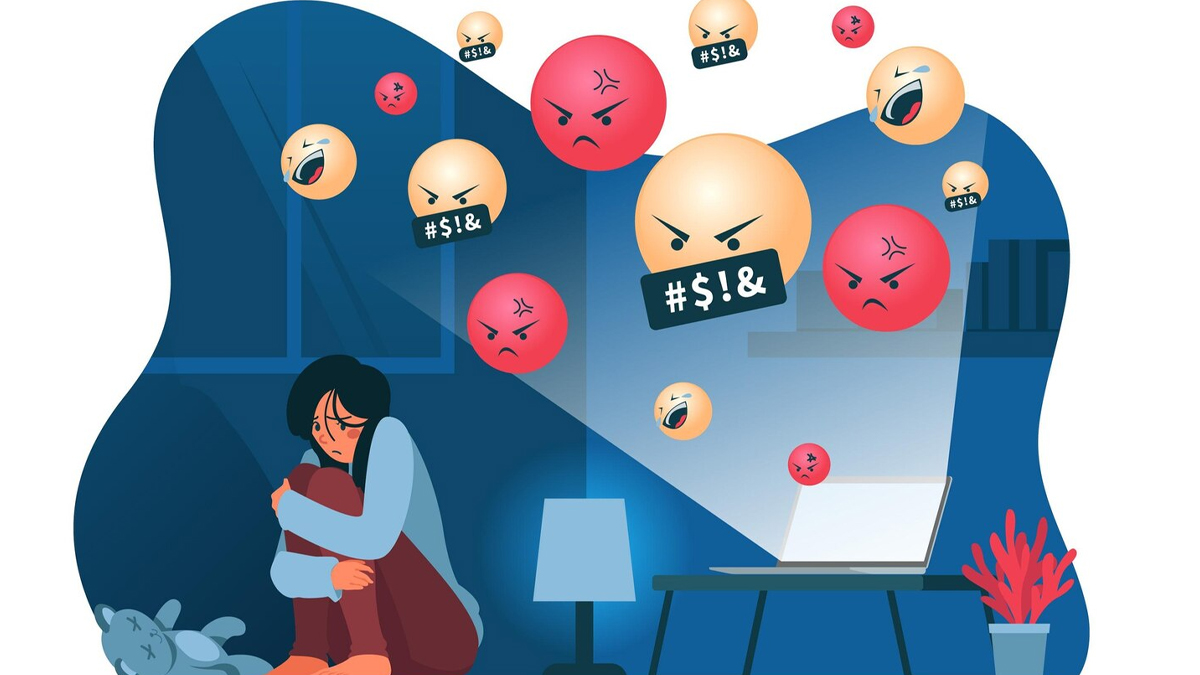
Firstly, let us try and understand how rage bait impacts our mental health. “The toxic trend of rage bait is affecting our mental health by constantly pulling us into anger, stress, and negativity, even when we do not want it, because these posts are designed to trigger strong emotions and keep us scrolling. This ongoing exposure slowly makes our mind more reactive, reduces our patience, and increases our anxiety,” shares Dr Shree KR.
She adds, “We start feeling irritated more often and lose focus on positive things in life. Over time, our brain becomes used to conflicts and outrage, making normal situations feel more frustrating, which can disturb our sleep, ruin our mood, and make us less social. So it is important to identify such content early, avoid reacting, take breaks from apps, and follow pages that share calm and meaningful posts.”
 rage bait inside 1
Impact Of Digital Anger On Our Brain Health
You may feel mindlessly scrolling social media is harmless, but it is not. Content which triggers strong emotions like anger may even harm not your brain health. Yes, you read that right.
“Digital anger impacts our brain health by activating our body’s stress response again and again. This is because each angry post or video makes the brain release stress chemicals like cortisol and adrenaline. When this happens too often, these chemicals start to harm our mood, memory, and focus, making it harder to stay calm or think clearly. This constant stress can weaken the connections between brain cells, reduce our ability to control emotions, and increase feelings of anxiety or sadness. Over time, the brain becomes more sensitive to triggers, causing faster emotional reactions, even in daily life. So reducing exposure, taking mindful breaks, and choosing positive content can help protect the brain and keep our emotional balance strong,” explains Dr Shree KR.
The expert adds that online content is impacting our brain by constantly flooding it with information, images, and strong emotions. “Every scroll, click, or notification activates our brain’s reward system and pushes us to keep checking our phone, and this repeated stimulation makes it harder for the brain to focus, stay calm, or rest. Over time, we may feel stressed, distracted, or overwhelmed without realising why,” she mentions.
Is Rage Bait Affecting You?
On this note, Dr Shree KR shares that signs that rage bait is affecting you appear when you:
- Start feeling angry or upset even after we close the app. This is because your mind keeps replaying the upsetting post.
- Notice that you lose patience more easily with family, friends, or during minor daily problems. Feel mentally tired or stressed without knowing why.
- Sleep gets disturbed because your brain stays in a ‘high alert’ mode.
- You spend more time arguing online or reading negative comments, instead of doing things that make you feel good.
- You feel addicted to checking such posts even though they make you unhappy.
“These changes show that the constant anger from online content is slowly affecting your emotional balance,” adds the expert.
 rage bait inside 2
How To Protect Yourself From Rage Bait
If you don’t want to give in to rage bait, then follow these expert-backed tips:
- You can protect yourself from rage bait by learning to recognise posts that are made to provoke anger. This is because these posts often use harsh words, shocking headlines, or unfair claims to force a reaction.
- When you see such content, try to pause, avoid clicking, or stop yourself from commenting or sharing.
- You can mute or unfollow accounts that post too much negative content.
- Try to fill your feed with calming, educational, or positive pages.
- Setting screen-time limits or taking short breaks can also reduce emotional stress.
- When you feel triggered, taking a few deep breaths or stepping away from the phone helps your brain reset.
- Building these habits slowly makes you less affected by online anger traps.
Tips To Protect Mental Health From Toxic Online Trends
Last, but not the least, you can always safeguard your mental health from any kind of toxic social media trends. Dr Shree KR jots down how to do so:
- Be mindful of what you watch, because not all content is good for your mind.
- You can start by unfollowing pages that make you feel stressed, angry, or insecure.
- Follow accounts that share helpful, positive, or inspiring posts.
- Set time limits for apps can help you stop endless scrolling. Taking short breaks during the day gives your brain time to relax.
- It also helps avoid comparing your life with others because most posts depict only the happy parts of a person’s life.
- Talking to friends or family when some online content upsets you can reduce emotional pressure.
- Building healthy habits slowly keeps your mind strong and balanced.
Also Read: Therapy in Reels: Can Mental Health Advice on Instagram Be Trusted?
The Final Word
The 2025 Oxford Word of the Year is rage bait. It is defined as online content deliberately designed to elicit anger or outrage. The toxic trend of rage bait is affecting our mental health by constantly pulling us into anger, stress, and negativity. Expert suggests that we can protect ourselves from it by following simple hacks such as being mindful of what we watch, talking to friends or family and unfollowing pages that make you feel stressed or angry.
FAQ
What does a rage bait mean?
Rage bait is defined as “online content deliberately designed to elicit anger or outrage by being frustrating, provocative, or offensive, typically posted in order to increase traffic to or engagement with a particular web page or social media content”.Why do people rage bait?
People rage bait for reasons such as financial gain, attention, to control others' emotions for a sense of power, or just for entertainment.What is rage bait on social media?
Rage bait means social media content that is designed to create a strong and negative reaction.
All possible measures have been taken to ensure accuracy, reliability, timeliness and authenticity of the information; however Onlymyhealth.com does not take any liability for the same. Using any information provided by the website is solely at the viewers’ discretion. In case of any medical exigencies/ persistent health issues, we advise you to seek a qualified medical practitioner before putting to use any advice/tips given by our team or any third party in form of answers/comments on the above mentioned website.
How we keep this article up to date:
We work with experts and keep a close eye on the latest in health and wellness. Whenever there is a new research or helpful information, we update our articles with accurate and useful advice.
-
Current Version
Dec 18, 2025 13:58 IST
Modified By : Shruti Das Dec 18, 2025 13:58 IST
Modified By : Shruti DasDec 18, 2025 13:58 IST
Published By : Shruti Das
Reviewed By : Dr Divya Shree K R