

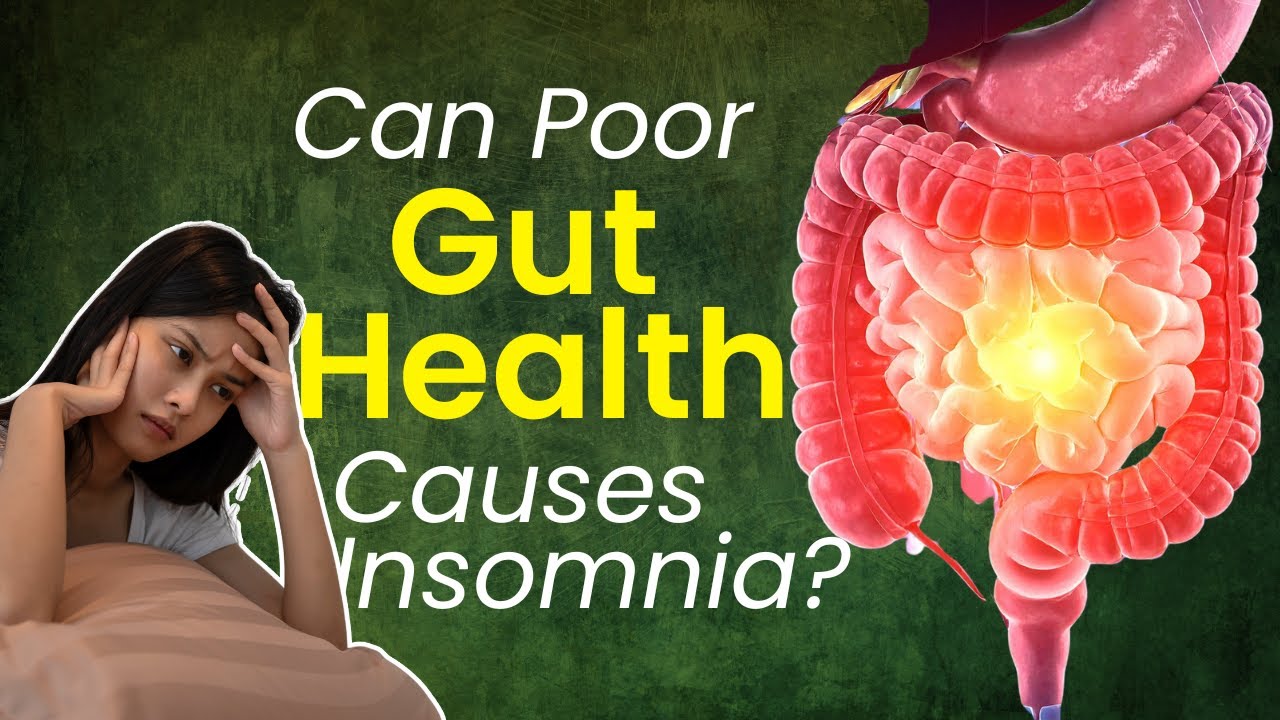
You’ve tried cutting caffeine, limiting screen time, and even diffusing lavender oil, but sleep still seems like a far-fetched dream. What if the real issue isn’t in your head, but in your gut? Research and medical experts are increasingly uncovering the link between gut health and sleep quality, and it may explain why you’re tossing and turning at night.
Table of Content:-
How the Gut and Brain Communicate
In the words of our expert, Dr Pooja Pillai, Consultant – Internal Medicine, Aster CMI Hospital, Bangalore, “Our brain and gut are connected via the gut-brain axis, which is a bidirectional communication system that includes nerves, the immune system, and hormones. This is one of the longest nerves in the body, and it works like a highway of communication between your brain and gut. When your gut is in imbalance, it can interfere with signals that control stress, mood, and sleep.”
1. Gut Bacteria Produce Sleep Hormones
A balanced gut microbiome not only supports digestion, but it also manufactures and regulates sleep-related neurotransmitters. For instance:
- Serotonin, which is primarily manufactured in the gut, is a precursor to melatonin, which is the sleep hormone that causes you to become drowsy.
- Some gut bacteria modulate the manufacture of GABA, a soothing neurotransmitter that slows down anxiety and promotes sleep.
- When gut bacteria are out of balance (a situation referred to as dysbiosis), our natural sleep chemistry can get out of control.
Also Read: Are You Overeating Just to Get Enough Protein? Here's How To Find Out
2. Inflammation and Sleep Disturbances
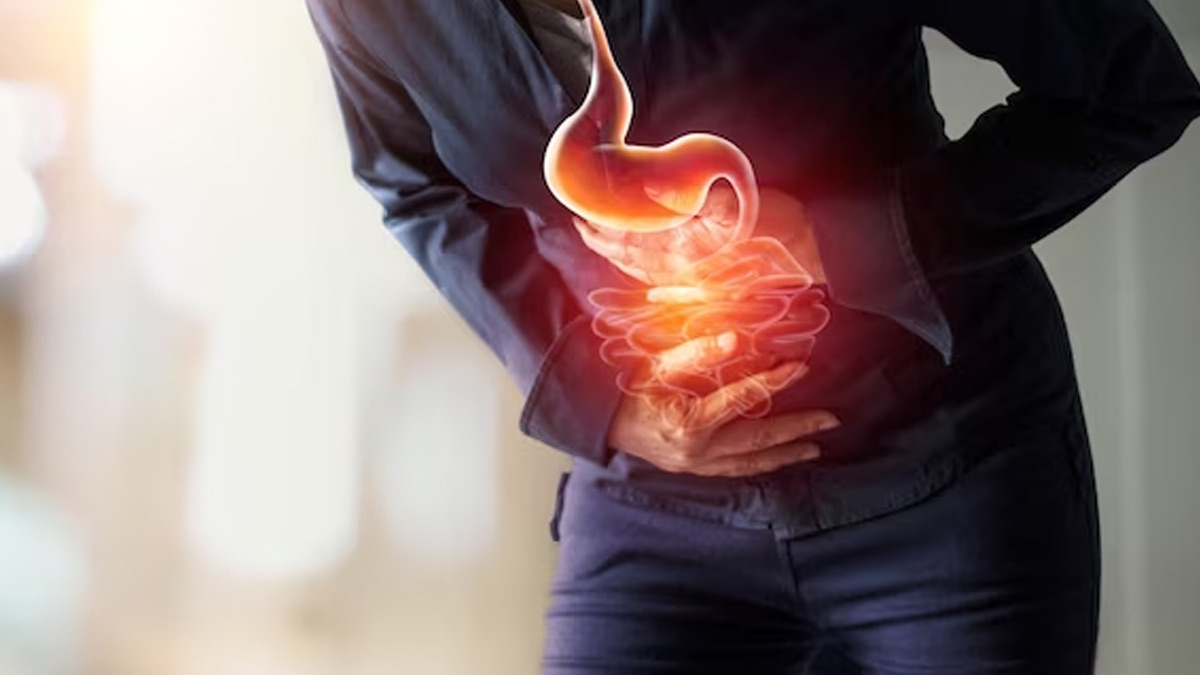
Poor gut health has the potential to result in low-grade inflammation, which impacts the nervous system and also the sleep. Common disorders such as bloating, GERD, Irritable Bowel Syndrome (IBS), or food intolerance may trigger inflammatory reactions that disrupt your circadian rhythm, thus it difficult to fall or remain asleep.
3. Stress, Anxiety, and the Gut-Sleep Loop
Sleep deprivation induces stress, and stress in turn harms gut health. Cortisol (the stress hormone) impacts gut bacteria and intestinal function. At the same time, gut imbalances may exacerbate anxiety, so it becomes even more difficult to unwind at night.
Lifestyle and Diet Factors That Influence Gut and Sleep
“An unhealthy gut typically results from lifestyle habits that also impact sleep,” said Dr Pillai. These include:
- Consuming high sugar and processed foods
- Excessive use of caffeine or alcohol
- Overuse of antibiotics
- Chronic stress
- Lack of fibre foods
When these elements undermine your gut microbiome, your sleep quality can be impacted.
Symptoms Your Gut Might Be Impacting Your Sleep
Dr Pillai emphasised to watch out for the following warning signs:
- Difficulty falling or staying asleep
- Frequent waking during the night
- Recurring bloating, constipation, or diarrhoea
- Food sensitivities
- Mood swings, anxiety, or confusion
- Fatigue despite sleeping
“If multiple of these symptoms occur, gut imbalance could be behind your insomnia,” she added.
Also Read: Can You Lose Weight Doing Only Burpees? Experts Break Down the Truth

How to Improve Your Gut for Better Sleep
Here are some effective expert-approved ways to maintain a healthy gut and better sleep:
1. Consume More Fibre and Fermented Foods
Include yoghurt, kefir, sauerkraut, kimchi, and fiberous vegetables and fruits to nourish good bacteria.
2. Cut Down on Sugar, Processed Foods, and Alcohol
These kill your microbiome and mess up digestion.
3. Make Prebiotics and Probiotics Your Top Priority
Supplement intelligently or obtain them through foods such as bananas, onions, garlic, and curd.
4. Stress Management
Experiment with meditation, journaling, breathing exercises, or walking in nature to decrease cortisol.
5. Drink Plenty of Water
Water facilitates digestion, helps modulate metabolism and sleep patterns.
6. Sleep Regularly
A consistent circadian rhythm benefits both gut function and sleep.
Bottomline
Our stomach does much more than break down our dinners; it's also responsible for managing our hormones, our nervous system, and our sleep patterns. If insomnia continues to be a repeated visitor in spite of sound sleep habits, the answer might be found in balancing your gut microbiome with conscious eating, tension management, and lifestyle adjustments. A healthier stomach may be your pass to more profound, more restorative sleep.
FAQ
1. Does poor digestion truly impact sleep?
Yes. Gut imbalances and digestive issues can cause inflammation, hormone disruption, and discomfort that disrupts sleep.2. Do probiotics cure insomnia?
They might. Probiotics aid healthy gut bacteria associated with enhanced serotonin and melatonin production, both beneficial for sleep.3. How long does it take to see improvements in gut sleep problems?
With regular diet and lifestyle modifications, results may be seen within a few weeks, but this depends on the individual.
All possible measures have been taken to ensure accuracy, reliability, timeliness and authenticity of the information; however Onlymyhealth.com does not take any liability for the same. Using any information provided by the website is solely at the viewers’ discretion. In case of any medical exigencies/ persistent health issues, we advise you to seek a qualified medical practitioner before putting to use any advice/tips given by our team or any third party in form of answers/comments on the above mentioned website.

How we keep this article up to date:
We work with experts and keep a close eye on the latest in health and wellness. Whenever there is a new research or helpful information, we update our articles with accurate and useful advice.
-
Current Version
Dec 19, 2025 13:10 IST
Modified By : Chanchal Sengar Dec 19, 2025 13:10 IST
Modified By : Chanchal SengarDec 19, 2025 13:10 IST
Modified By : Chanchal SengarDec 12, 2025 11:55 IST
Published By : Tanya Srivastava
Reviewed By : Dr. Pooja Pillai