


As the chilly winter sets in, many find themselves reaching for comfort foods more often. Cravings for rich, warming foods increase, and the desire to eat more than usual can sometimes feel uncontrollable. With the cold setting in, many of us suddenly find ourselves reaching for warm comfort foods like parathas, sweets, and rich meals. It feels natural to want extra calories. But have you wondered why winter triggers these cravings?
Table of Content:-
According to Dr Lavleen Kaur, Chief Dietitian & Founder of Santushti Holistic Health, the urge to eat more in winter isn’t just a habit, as your body is actually sending signals. These come from biology, hormones, mood changes, and even hydration issues. Understanding these signals can help you eat more mindfully and avoid unwanted extra kilos.
Why Do We Feel Hungrier in Winter?![]()
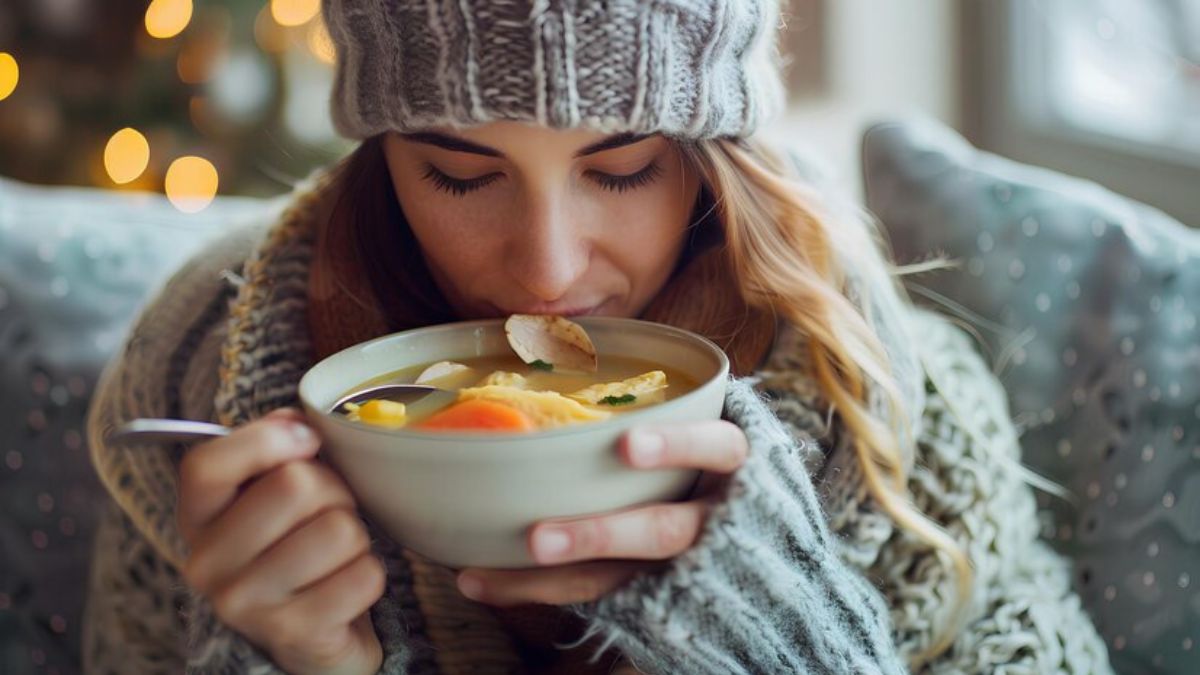
Dr Kaur explains that in cold weather, our body needs extra energy to maintain warmth. She says, “As soon as our body temperature goes down, our body has to work hard to produce extra energy, then give more calories.” That means our metabolism calls for more food, often leading to increased hunger and cravings. Additionally, she points out two other key reasons:
- In winter, many people drink less water, which can blur the line between thirst and hunger. “Most of the time, 70% of the time, our body is dehydrated in winter. And we feel that we are hungry.”
- Seasonal hormone shifts also contribute. According to her, “Ghrelin hormone increases in winters and leptin, which signals fullness, becomes less responsive.” That hormonal mix raises appetite and weakens satiety signals.
In short, cold, dehydration, and hormonal changes combine to make you feel hungrier.
ALSO READ: Hot Soup Vs Broth: Which One Digests Better In Cold Weather?
Mood, Sunlight, and Winter Eating: More Than Just Hunger![]()

Winter also affects our mood and energy. Dr Kaur notes: limited sunlight and seasonal gloom can reduce serotonin levels, leading to low mood or stress. She explains that in such conditions, people often crave sugar or fatty foods partly to lift their mood. This isn’t just emotional eating: your brain is responding to real chemical changes. When movement is reduced, as people tend to stay indoors more, those cravings plus limited activity make it easy to gain weight.
How to Manage Winter Hunger: Smart Tips That Work
Rather than fighting every craving, Dr Kaur suggests a thoughtful, balanced approach. Her key advice:
- Prioritise protein & fibre first: For example, start your day with a fruit and nuts, or eat a protein-rich salad (like beans or chickpeas) before lunch. This helps you feel full and avoids overeating carbs.
- Stay hydrated: Drink enough water; dehydration often masquerades as hunger in winter.
- Use warm, healthy drinks: Herbal teas with ginger, turmeric, cinnamon, basil or clove can warm you, support metabolism and stabilise mood.
- Balance indulgence with awareness: It’s okay to enjoy traditional winter foods occasionally and just don’t make them the daily norm. Monitor portions and avoid mindless snacking.
- Keep moving: Even short walks, gentle stretching, or light home workouts can help burn extra calories and maintain metabolic health.
Why Crash Diets Don’t Work?![]()

Dr Kaur cautions against crash diets or extreme winter fasting. Though they may offer quick results, they can backfire, leading to fatigue, nutrient loss, muscle wasting, and often rebound weight gain once normal eating resumes. Instead, she recommends slow, steady changes. Even modest, sustainable lifestyle tweaks combining balanced meals, hydration, warm, healthy drinks, and movement can ease winter weight gain and support long-term health.
A study published in the Journal of Affective Disorders highlighted that symptoms of Seasonal Affective Disorder (SAD) include increased appetite, weight gain, and a craving for carbohydrates during the winter months. These changes are linked to depressive symptoms and hormonal fluctuations affecting appetite control.
A Simple Winter Weight-Wise Plan to Try
If winter cravings feel hard to manage, keep things simple and realistic. The expert shared that these small habits can make a real difference without making you feel restricted.
- Stay warm and hydrated throughout the day. Sip warm water or herbal teas regularly, even if you don’t feel thirsty. Cold weather often masks dehydration.
- Control hunger and cravings by starting meals with fibre and protein. Add nuts, fruits, lentils, or salads before heavy mains to feel full sooner.
- Keep your body moving, even indoors. A short walk, light stretching, home workouts, or yoga for 20–30 minutes daily can support metabolism.
- Choose comfort foods wisely. Enjoy winter favourites in moderation and balance them with home-cooked, nutrient-rich meals.
- Support mood and immunity with seasonal spices and foods like ginger, turmeric, cinnamon, basil, and warm herbal drinks to stabilise energy and prevent mood dips.
ALSO READ: Does Winter Affect Your Chances of Getting Pregnant? What You Should Know
Conclusion
Overeating in winter is natural but often stems from a mix of biological, emotional, and hormonal signals. Recognising the root causes can help you manage cravings and avoid unnecessary weight gain. By prioritising hydration, protein and fibre intake, and supporting your mood through lifestyle choices, you can enjoy the winter season with mindful eating and a healthy body.
Also watch this video
How we keep this article up to date:
We work with experts and keep a close eye on the latest in health and wellness. Whenever there is a new research or helpful information, we update our articles with accurate and useful advice.
Current Version
Dec 17, 2025 12:05 IST
Published By : Vivek Kumar