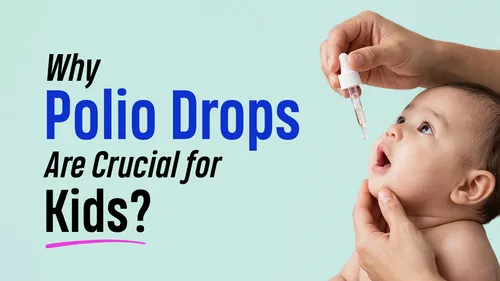
India has been polio-free for more than a decade, but that does not mean children are no longer at risk. Health authorities continue to conduct polio vaccination campaigns to protect children from the highly infectious virus and prevent its possible return.
Observed every year on 24 October, World Polio Day raises awareness about the importance of vaccination and global efforts to eradicate polio. Despite significant progress, the disease remains a concern in parts of the world, making continued immunisation essential, including in countries such as India.
Why Does India Still Need Polio Vaccination?
India was certified polio-free by the World Health Organization (WHO) South-East Asia Region in March 2014. The country achieved this milestone after years of routine immunisation, supplementary vaccination campaigns and extensive surveillance.
However, being polio-free does not mean the risk of infection has disappeared completely.
Poliovirus continues to circulate in some countries and can cross international borders through infected people. This creates a risk of the virus being reintroduced into countries where transmission has been interrupted.
Dr Tushar Tayal, Associate Director of Internal Medicine at CK Birla Hospital, Gurugram, explains that the risk of poliovirus being reintroduced from other countries cannot be ignored.
“Routine immunisation and supplementary polio campaigns work together to maintain population immunity and prevent the virus from spreading,” he says.
Maintaining high vaccination coverage is therefore important to protect children and safeguard India's polio-free status.
What Is Polio and Why Is It Dangerous?
The World Health Organization defines Polio, or poliomyelitis, as a highly infectious disease caused by the poliovirus. It mainly affects children under five, although unvaccinated people of any age can contract the infection.
The virus usually spreads through the faecal-oral route, particularly through contaminated water, food, or hands. It can also spread through contact with infected secretions. In areas with inadequate sanitation, transmission can occur rapidly.
Most infected people may not develop noticeable symptoms. Others may experience fever, tiredness, headache, nausea, or pain in the limbs.
In some cases, however, the virus attacks the nervous system and causes acute flaccid paralysis. This can result in permanent disability and, when the muscles involved in breathing are affected, death.
There is no cure for polio-related paralysis. Vaccination remains the most effective way to prevent the disease.
Why Are Polio Drops Needed If My Child Is Already Vaccinated?
One of the most common questions parents ask is whether their child needs additional polio drops after receiving all the routine vaccines.
The answer is yes, when recommended under government-led polio campaigns.
Routine immunisation provides essential protection against poliovirus. Supplementary campaigns offer additional doses to eligible children, helping strengthen immunity and reduce the possibility of the virus spreading within communities.
Dr Tayal advises parents to ensure that their children receive polio drops during government-led campaigns, even if they have already received routine vaccinations.
These additional doses are part of India's broader polio prevention strategy. They help maintain high levels of immunity across the population, including among children who may have missed routine vaccinations or have not developed sufficient protection from earlier doses.
- The oral polio vaccine (OPV), commonly given as drops, is used in supplementary campaigns. The injectable inactivated polio vaccine (IPV) is also included in routine immunisation schedules. Both play important roles in polio prevention, although they work differently.
NOTE: Parents should follow the vaccination schedule recommended by health authorities and consult a healthcare professional if they have concerns about their child's doses.
What Should Parents Keep in Mind?
Parents can help protect their children by following a few essential precautions:
- Complete routine immunisation: Ensure your child receives all recommended polio vaccine doses according to the national immunisation schedule.
- Do not skip campaign doses: Take your eligible child for polio drops during government-led campaigns, even if routine vaccinations are up to date.
- Keep vaccination records: Maintain your child's immunisation card and check with a healthcare professional if any doses have been missed.
- Follow official guidance: Check campaign dates, eligibility and vaccination arrangements through local health workers or government health authorities.
- Maintain good hygiene: Handwashing, safe drinking water and proper sanitation help reduce the spread of infections, although they cannot replace vaccination.
The Fight Against Polio Is Not Over
India's polio-free status is a major public health achievement, but maintaining it requires continued vigilance. As long as poliovirus circulates anywhere in the world, the possibility of its reintroduction remains. Vaccination campaigns, routine immunisation and disease surveillance work together to keep children protected.
As Dr Tayal emphasises, complete immunisation and continued vigilance are essential to protecting every child from this preventable disease.
Final Word
For parents, the message is simple: do not skip polio drops during government-led campaigns just because your child has already been vaccinated. Every recommended dose helps strengthen protection and supports the collective effort to keep India polio-free.
FAQ
Is it necessary to give polio drops every year?
While it is not necessary to give polio drops every year, doctors advise that children below five years must be given the oral polio drops during the pulse polio campaign.Is polio vaccine last a lifetime?
Yes, if a child gets a complete polio vaccination series, the immunity against poliovirus may last for a lifetime.
All possible measures have been taken to ensure accuracy, reliability, timeliness and authenticity of the information; however Onlymyhealth.com does not take any liability for the same. Using any information provided by the website is solely at the viewers’ discretion. In case of any medical exigencies/ persistent health issues, we advise you to seek a qualified medical practitioner before putting to use any advice/tips given by our team or any third party in form of answers/comments on the above mentioned website.
How we keep this article up to date:
We work with experts and keep a close eye on the latest in health and wellness. Whenever there is a new research or helpful information, we update our articles with accurate and useful advice.
-
Current Version
Oct 24, 2026 13:19 IST
Published By : Chanchal Sengar
Reviewed By : Dr Tushar Tayal