Cholesterol is a waxy, fat-like substance that is produced by the liver. It is found in all body cells and is crucial for producing hormones, vitamin D, and cell membranes. Cholesterol is thus necessary for our well-being, but high blood cholesterol levels can be a cause of serious concern. This is because they can form plaques, increasing risks of heart attack and stroke. This article will explain when cholesterol is considered dangerous, and how you can prevent and manage it.
To get a better understanding of this, the editorial team of OnlyMyHealth reached out to Dr Sanjay Bhat, Senior Consultant, Interventional Cardiology, Aster CMI Hospital, Bangalore and Dr VP Sharma, Director and Senior Consultant Cardiology, Fortis Hospital Jalandhar.
When Is Cholesterol Considered Dangerous?
Let us get to the point right away and explain when cholesterol can turn risky. Explaining this, Dr Bhat says, “Cholesterol is considered dangerous when levels stay high for a long time, especially when low-density lipoprotein (LDL or bad cholesterol), rises above about 130 mg/dL and high-density lipoprotein (HDL or good cholesterol), is low, while total cholesterol goes above 200 mg/dL. This increases the risk of blocked blood vessels, heart attack, and stroke. It becomes more serious if a person also has conditions like diabetes, high blood pressure, obesity, or a family history of heart disease; so regular testing and early control through diet, exercise, and medicines, when needed, is very important to prevent long-term complications”.
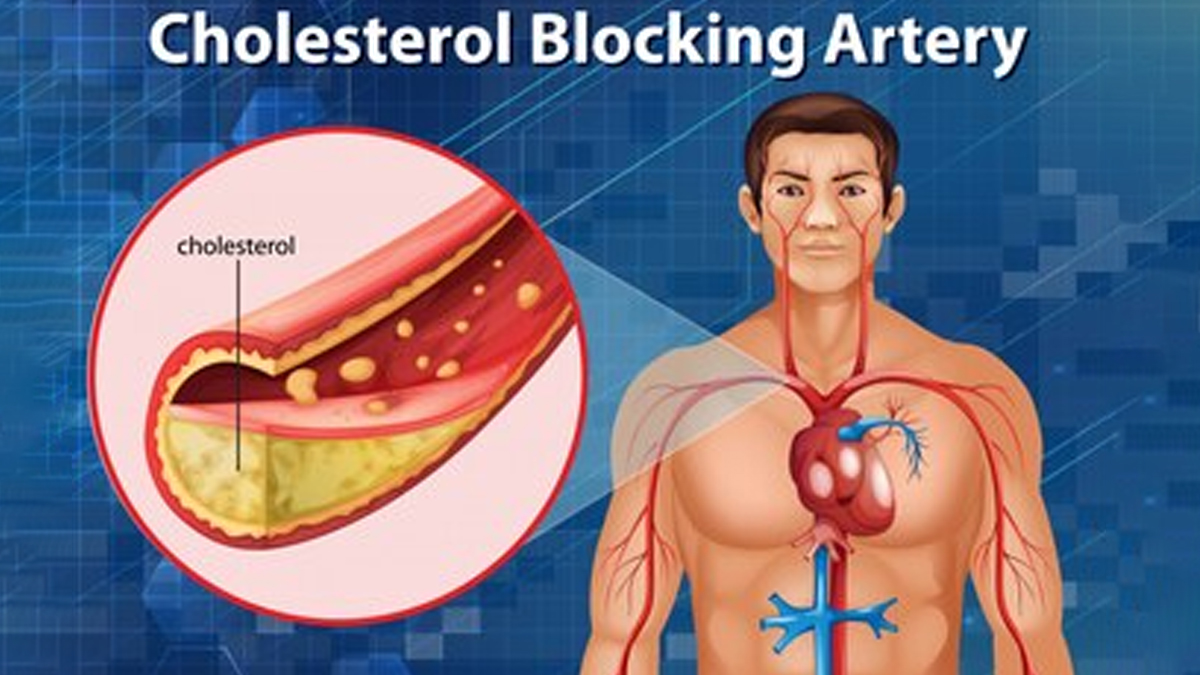
Adding to this, Dr Sharma shares, “Cholesterol is responsible for various functions in our body, including the formation of some cell membranes and the production of hormones like cortisol and oestrogen. It can transition from a vital building block into a lethal cardiovascular threat, if it undergoes oxidation and becomes trapped in the endothelial lining of the arteries”.
He continues, “This causes the arteries to become hard and narrow, also known as atherosclerosis. It is not merely the presence of cholesterol that creates risk, but its participation in plaque formation. When these plaques become unstable, they can rupture, leading to acute myocardial infarction (heart attack) or stroke.”
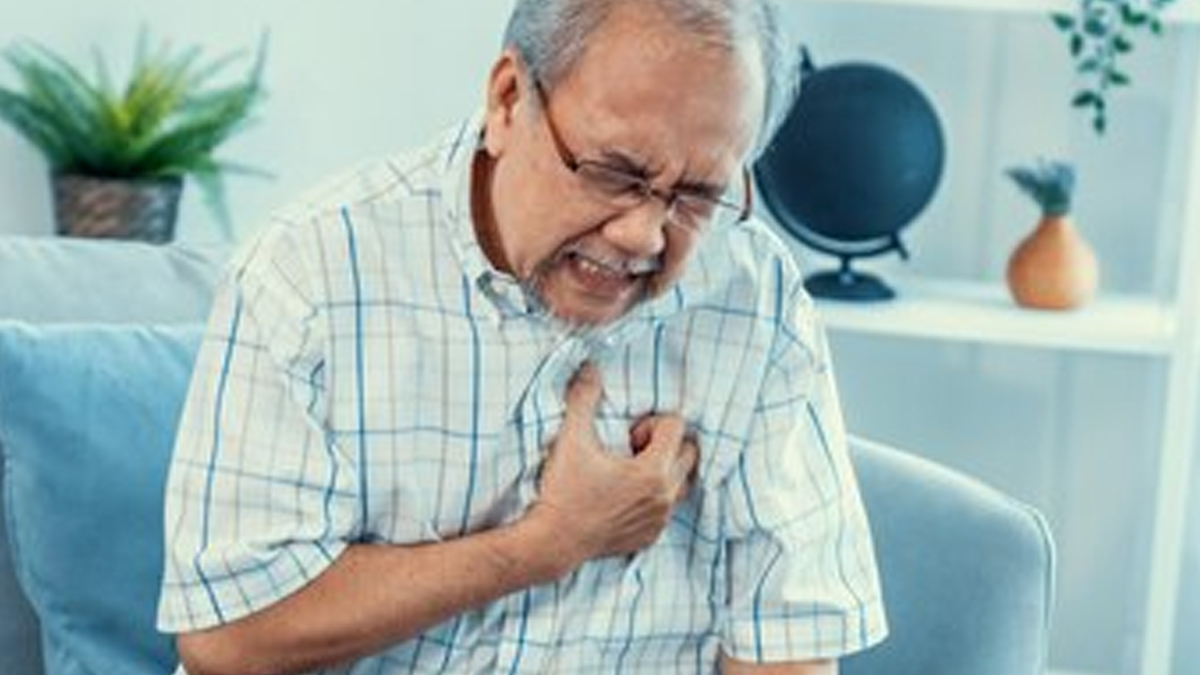
Warning Signs and Symptoms of Cholesterol
High cholesterol is labelled as the ‘silent killer’. Explaining this, Dr Sharma says, “This is because it produces no direct symptoms and goes undetected, unless a blood test is conducted. In most patients, significant vascular damage occurs by the time physical symptoms manifest”. He adds that a few indirect signs begin to appear once the damage begins, such as:
- Angina: Chest pain resulting from reduced blood flow to the heart, indicating the narrowing of the arteries.
- Dyspnoea: Shortness of breath arising from developing coronary artery disease.
- Intermittent Claudication: Aching or cramps in calves or thighs are symptoms of peripheral artery disease caused by reduced blood flow to the legs.
Dr Sharma adds that in severe cases or in the case of Familial Hypercholesterolaemia (genetic errors), a few major symptoms may be visible, including:
- Xanthelasma: Yellowish cholesterol deposits around the eyelids.
- Corneal Arcus: A white or grey ring around the iris of the eye, often seen in younger patients with high levels.
- Xanthomas: Fatty lumps developing on tendons or knuckles.
Dr Bhat warns, “Serious symptoms like sudden chest pain, weakness, or trouble speaking may happen only when complications like heart attack or stroke occur; so regular blood tests are the best way to detect and manage it early.”
Normal to Dangerous Range of Cholesterol Levels
Explaining what normal to dangerous levels of cholesterol may look like, Dr Sharma shares a list:
Total Cholesterol
- Normal: <200 mg/dL
- Borderline: 200–239 mg/dL
- High: ≥240 mg/dL
LDL
- Optimal: <100 mg/dL
- Borderline high: 130–159 mg/dL
- High: 160–189 mg/dL
- Very high: ≥190 mg/dL
HDL
- Protective: ≥60 mg/dL
- Low (risk): <40 mg/dL (men), <50 mg/dL (women)
Triglycerides
- Normal: <150 mg/dL
- High: ≥200 mg/dL
A 2025 study, published in the ‘Engineering’ journal, examined which cholesterol levels are considered risky. It stated that high cholesterol may elevate the risk of heart disease, but low cholesterol is associated with a higher risk of death from cancer and other conditions. The findings stated that if your cholesterol levels drop by more than 20% in a span of a few years, then an individual’s overall risk of dying increases by 14% to 26%. The study also mentioned that a total cholesterol level of 200 mg/dL, and an LDL cholesterol level of 130 mg/dL are the safest when it comes to minimising an individual’s death risk.
ALSO READ- Are Diabetes and Cholesterol Connected? Experts Weigh In
Which Conditions Can Increase Cholesterol Risk?
According to the Centers for Disease Control and Prevention (CDC), your risk of high cholesterol may be increased by these conditions:
- Type 2 diabetes – It can lower HDL levels and increase LDL levels. This combination elevates the risk of heart disease and stroke.
- Obesity – It is linked to higher triglyceride levels, higher LDL cholesterol levels, and lower HDL levels.
- Other health conditions such as familial hypercholesterolaemia may also lead to very high LDL cholesterol levels.
How to Manage and Treat Cholesterol?
A 2024 study, conducted by Clemson University researchers, examined how by clearing out dangerous cholesterol, the body can fight heart diseases. The new approach focuses on removing cholesterol that is stuck inside artery walls. The researchers noted that boosting two proteins (ABCA1 and ABCG1) makes the immune cells effectively remove trapped cholesterol, which eats and removes trapped cholesterol. The study added that this process, if developed into a therapy, can help prevent heart diseases by clearing cholesterol blockages.
Dr Sharma lists some lifestyle and diet changes that can help manage cholesterol:
Lifestyle Changes
- Increase physical activity: Exercise or brisk walking for 150 minutes weekly. Studies suggest that brisk walking can reduce LDL by 5-10%.
- Have a fibre-rich diet: A soluble fibre-rich diet can help lower LDL absorption. Add 5-10 grams of foods such as oats, barley, beans, lentils, apples, or pears to your diet daily.
- Add healthy fats: Extra virgin olive oil, avocados, fatty fish such as salmon and mackerel (rich in omega-3s to drop triglycerides).
- Incorporate nuts and seeds: Almonds, walnuts, chia seeds (20-30g daily boosts HDL).
- Choose whole grains and vegetables: Quinoa, brown rice, spinach, kale, and berries for antioxidants.

Medical Therapy
- Statins: These are considered the primary treatment. They block the HMG-CoA reductase enzyme in the liver that is responsible for producing cholesterol.
- PCSK9 Inhibitors: A newer class of injectable drugs that helps the liver clear more LDL from the blood.
- Ezetimibe: This medication limits the absorption of cholesterol in the small intestine.
When To Visit a Doctor?
Dr Bhat suggests that you should visit a doctor for cholesterol if:
- You have never been tested after age 20.
- You have a family history of heart disease or high cholesterol.
- You have conditions such as diabetes, high blood pressure, or obesity.
- You should seek treatment if your blood test shows high levels.
- If you notice symptoms such as chest pain, shortness of breath, or unusual tiredness, as these may suggest blocked blood flow.

“Regular check-ups every 4-6 years for healthy adults, and more often for high-risk people, help in early detection, proper treatment, and prevention of serious problems like heart attack and stroke,” concludes Dr Bhat.
ALSO READ- Coffee and Heart Health: How Many Cups Are Safe Per Day?
Conclusion
Cholesterol is considered dangerous when its levels remain high for a longer period, especially when LDL increases beyond 130 mg/dL and HDL is low, and total cholesterol crosses 200 mg/dL. Cholesterol can be managed and treated by making healthy lifestyle and dietary changes.
FAQ
Is 250 cholesterol too high?
Yes, a total cholesterol level of 250 mg/dL is considered high.When should you start worrying about cholesterol?
You should worry about cholesterol when your total levels exceed 200 mg/dL, and LDL increases beyond 130 mg/dL.Are eggs bad for cholesterol?
For most healthy people, moderate egg consumption (up to one whole egg per day) is not associated with increased heart disease risk or high cholesterol.
All possible measures have been taken to ensure accuracy, reliability, timeliness and authenticity of the information; however Onlymyhealth.com does not take any liability for the same. Using any information provided by the website is solely at the viewers’ discretion. In case of any medical exigencies/ persistent health issues, we advise you to seek a qualified medical practitioner before putting to use any advice/tips given by our team or any third party in form of answers/comments on the above mentioned website.

How we keep this article up to date:
We work with experts and keep a close eye on the latest in health and wellness. Whenever there is a new research or helpful information, we update our articles with accurate and useful advice.
-
Current Version
Apr 17, 2026 18:30 IST
Modified By : Shruti Das Apr 17, 2026 18:30 IST
Modified By : Shruti DasApr 17, 2026 18:30 IST
Published By : Shruti Das
Reviewed By : Dr Sanjay Bhat