-1789730565246_m.webp)
Coffee is one of the most common ways to feel more awake, focused and energised. But for some people, that same cup can bring on a racing heart, shaky hands or a restless feeling. This can be particularly noticeable in people who already experience anxiety.
So, can coffee actually make anxiety worse, or does it depend on how much you drink? Coffee does not affect everyone with anxiety in the same way. The amount of caffeine, your sensitivity to it and even your sleep can influence how you feel after drinking it. Here is what a doctor say about the connection.
How Does Coffee Actually Affect Anxiety?
"Coffee contains caffeine, a stimulant that blocks adenosine receptors in the brain. This increases alertness and can temporarily reduce feelings of tiredness," explains Prof Dr SM Fayaz, Lead and Senior Consultant, Internal Medicine, KIMS Hospitals, Mahadevapura. But that same stimulation can produce symptoms that feel a lot like anxiety:
- Faster heartbeat
- Shakiness or trembling
- Restlessness
- Sweating
- Feeling on edge
- Difficulty concentrating
- Sleep disturbance
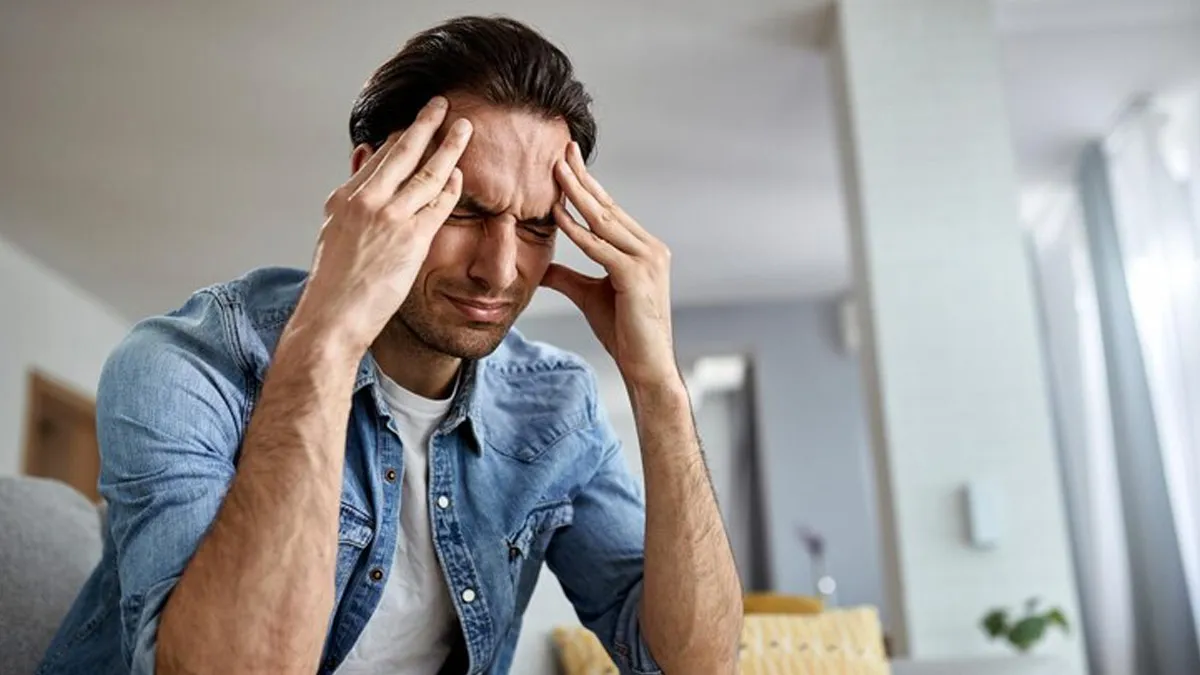
Someone already anxious may interpret these caffeine-driven physical sensations as their anxiety getting worse. And the effect genuinely is dose-dependent, higher caffeine intake makes anxiety symptoms more likely.
A 2022 review in General Hospital Psychiatry pooled ten placebo-controlled studies and found that at caffeine doses between 400 and 750mg. It was roughly five or more cups of coffee, 51.1% of people with panic disorder experienced a full panic attack, compared to 0% on placebo. Healthy participants given the same dose had only a 1.7% panic rate.
ALSO READ- Why Do Your Hands Shake When You're Stressed? Psychiatrist Explains
Is Coffee Safe If You Have Anxiety?
There's no universal safe amount. The FDA's general guidance puts 400mg of caffeine a day as generally fine for most healthy adults, but Prof Dr Fayaz is clear that "this is a general safety limit, not a recommended amount for someone with anxiety." Some people feel anxious, palpitating, or jittery at far lower doses than that.
A 2026 Nutrients study analysing over 20,000 adults through Korea's national health survey found a non-linear, dose-dependent relationship between caffeine intake and clinically significant anxiety symptoms. It was along with a clear link between higher caffeine intake and shorter sleep duration. It's a useful reminder that this isn't just a panic-disorder issue, it shows up at population scale too.
Who Should Be Particularly Careful?
Prof Dr Fayaz recommends limiting or avoiding caffeinated coffee if you:
- Already have frequent anxiety or panic attacks
- Notice palpitations or trembling after coffee
- Have trouble sleeping
- Feel unusually restless after caffeine
- Consume several sources of caffeine throughout the day
- Take medicines or supplements that can interact with caffeine
- People with panic disorder in particular tend to be far more sensitive, as the research above confirms.
What Should You Do If Coffee Seems to Worsen Your Anxiety?

Prof Dr Fayaz suggests reducing gradually rather than stopping abruptly if you're a regular drinker. Someone on three to four strong coffees a day could cut back slowly, or swap some cups for decaf, then watch whether restlessness, racing heart, or poor sleep improve. Timing matters too as caffeine later in the day can disrupt sleep, and poor sleep makes anxiety harder to manage on its own.
ALSO READ- Workplace Anxiety Spike? Expert Explains What Your 3 PM Coffee May Be Doing to Your Brain
Conclusion
Coffee doesn't cause an anxiety disorder outright, but it can trigger or amplify symptoms in people who are sensitive to it. If coffee leaves you calm with no palpitations or sleep issues, moderate intake is probably fine. If anxiety starts or worsens after coffee, cutting back is worth trying. And persistent anxiety or recurrent panic attacks deserve proper assessment by a doctor, not just a change in your coffee order.
All possible measures have been taken to ensure accuracy, reliability, timeliness and authenticity of the information; however Onlymyhealth.com does not take any liability for the same. Using any information provided by the website is solely at the viewers’ discretion. In case of any medical exigencies/ persistent health issues, we advise you to seek a qualified medical practitioner before putting to use any advice/tips given by our team or any third party in form of answers/comments on the above mentioned website.

How we keep this article up to date:
We work with experts and keep a close eye on the latest in health and wellness. Whenever there is a new research or helpful information, we update our articles with accurate and useful advice.
-
Current Version
Sep 18, 2026 17:05 IST
Published By : Vivek Kumar
Reviewed By : Prof Dr S M Fayaz