$
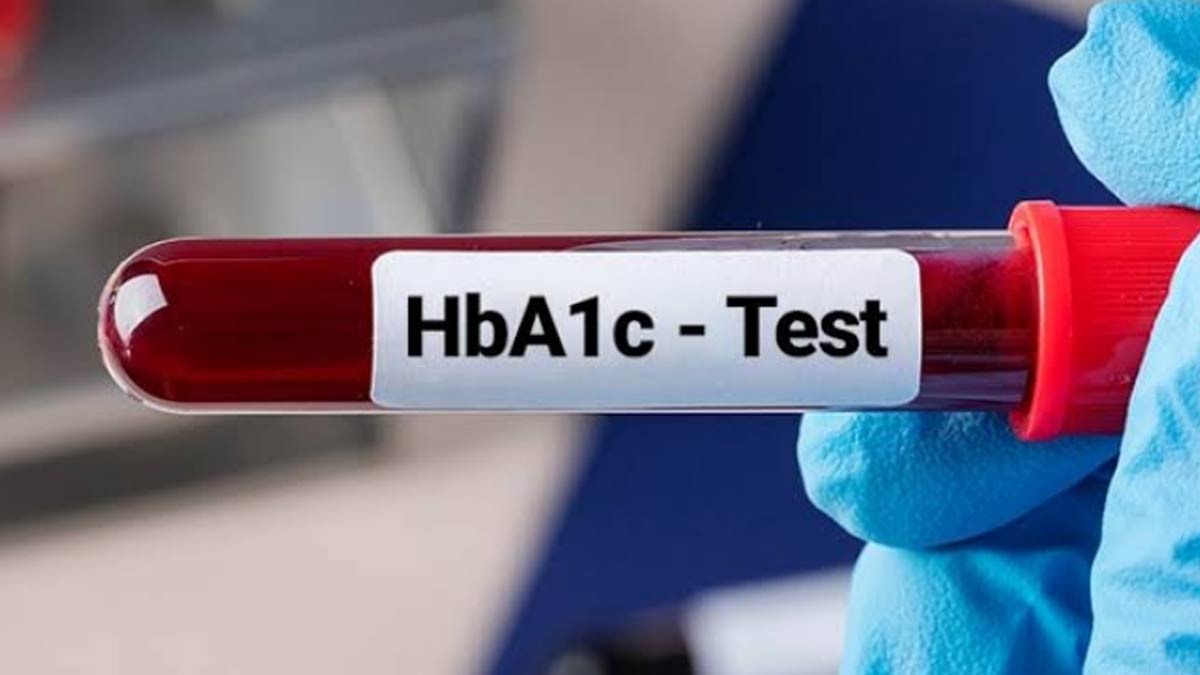
Healthcare professionals utilise the HbA1c blood test to assess your glycated haemoglobin levels. This aids in the diagnosis of prediabetes and type 2 diabetes, as well as in monitoring the effectiveness of your diabetes treatment regimen.
Diabetes is a highly prevalent medical condition that affects millions of individuals around the globe. If not managed promptly and effectively, the condition can lead to severe health complications like nerve damage, kidney problems, and heart diseases. Blood sugar control is the key to controlling diabetes and preventing complications. This is where glycated haemoglobin comes in. The HbA1c blood test helps in keeping an eye on your glycated haemoglobin levels and managing the risk of diabetes progression. Read on to learn more about glycated haemoglobin and this valuable blood test.
What is Glycated Haemoglobin?
Glycated haemoglobin, or HbA1c, forms when glucose (sugar) binds to red blood cells. When sugar levels are high, more of it adheres to blood cells, leading to an accumulation in the bloodstream. Elevated HbA1c indicates excessive sugar in the blood, increasing the risk of diabetes complications like eye and foot problems. Regular monitoring of HbA1c levels and taking measures to lower them can significantly reduce the risk of severe complications, underscoring the importance of routine HbA1c checks.
What is the HbA1c Test?
The HbA1c blood test, or haemoglobin A1c test, measures the level of blood sugar or glucose, attached to the haemoglobin. Notably, haemoglobin is a component of red blood cells responsible for transporting oxygen from your lungs to your body's tissues. This test is vital as it provides insights into how well your diabetes is managed. Additionally, it serves as a diagnostic tool for diabetes and aids in monitoring blood sugar levels in individuals at risk of developing the condition, such as those with prediabetes.
Why is the HbA1c Test Done?
There are various situations that may prompt the need for the HbA1c blood test, particularly if you are experiencing symptoms associated with diabetes. These symptoms may include:
- Increased frequency of urination
- Excessive thirst
- Blurred vision
- Persistent fatigue
- Unexpected weight loss
- Dry skin
However, even in the absence of these symptoms, you may still require the HbA1c blood test as part of a routine medical check-up, such as during a physical examination. Several factors influence the timing and frequency of HbA1c testing. Generally, it is recommended to undergo HbA1c testing if:
- You are aged 45 or above, regardless of whether you exhibit diabetes symptoms.
- You are under 45 years old, obese or overweight, and have at least one risk factor for diabetes or prediabetes, such as engaging in physical activity fewer than three times per week or a family history of diabetes.
What Do HbA1c Test Results Mean?
The results of the HbA1c blood test are expressed as a percentage, indicating the proportion of haemoglobin proteins that have become glycated or bound to glucose. A higher percentage reflects elevated blood sugar levels over the preceding few months. The diagnostic criteria for different conditions based on HbA1c levels are as follows:
- Less than 5.7%: Indicates absence of diabetes
- From 5.7% to 6.4%: Suggests prediabetes
- 6.5% or more: Typically indicates diabetes
For individuals already diagnosed with diabetes, HbA1c results provide insights into the effectiveness of their diabetes management plan over the preceding three months. According to recommendations by the American Diabetes Association, the target HbA1c level for most adults with diabetes should be 7% or lower. Additionally, healthcare providers usually advise pregnant women with type 1 diabetes to strive for the HbA1c level of under 6.5% throughout the pregnancy.
How Often is the HbA1c Blood Test Done?
Upon diagnosis of diabetes, your doctor is likely to schedule the HbA1c blood test to establish a baseline level and assess your blood sugar control. Subsequent testing frequency will depend on various factors, including:
- The type of diabetes you have
- Your current blood sugar management
- Your treatment regimen
For individuals with prediabetes, who are at increased risk of developing diabetes, annual testing is typically recommended to monitor their condition.
If you have type 2 diabetes and are not using insulin and your blood sugar levels are consistently within your target range, then you may undergo testing twice a year.
However, if you have type 1 diabetes, you may require HbA1c testing more frequently, potentially three to four times a year.
All in all, the HbA1c blood test plays a key role in diagnosing and managing diabetes. Knowing your glycated haemoglobin levels can help you make informed choices regarding your diabetes treatment, assisting in avoiding potential life-threatening complications.
Note - This article is written by Brand Desk.
All possible measures have been taken to ensure accuracy, reliability, timeliness and authenticity of the information; however Onlymyhealth.com does not take any liability for the same. Using any information provided by the website is solely at the viewers’ discretion. In case of any medical exigencies/ persistent health issues, we advise you to seek a qualified medical practitioner before putting to use any advice/tips given by our team or any third party in form of answers/comments on the above mentioned website.
How we keep this article up to date:
We work with experts and keep a close eye on the latest in health and wellness. Whenever there is a new research or helpful information, we update our articles with accurate and useful advice.
-
Current Version
Apr 23, 2024 19:21 IST
Modified By : Partner Content Apr 23, 2024 19:21 IST
Published By : Partner Content