
We have often heard or been advised that dairy products, which have a higher fat content, should be avoided. But what if we tell you that high fat dairy products like cheese and cream may be beneficial for you? Yes, you read that right. As per a recent study, high-fat dairy products can lower your risk of dementia. Would you like to know more about the study? Then this article is just for you.
To get an expert view on how dairy fat is linked to lower risk of dementia, we reached out to Dr Geetika Chopra, Celebrity Holistic Nutritionist.
What Is The New Study On Dementia About?
According to a new study, people who regularly consume higher-fat cheese and cream have a lower risk of developing dementia for over 25 years. On the other hand, low-fat dairy and other dairy foods showed no such clear association, the study states. This finding has been published in a 25-year Swedish study of nearly 28,000 people. It was published in Neurology – the medical journal of the American Academy of Neurology.
The study mentioned that those who consumed 50 grams per day or more of high-fat cheese daily – roughly a third of a cup – had a lower overall dementia risk, as well as vascular dementia, a form of cognitive decline caused by impaired blood flow to the brain. It stated that people who ate 50 grams (about 2 ounces) or more of high-fat cheese daily had a 13% lower risk of dementia than those eating less than 15 grams (0.5 ounce).
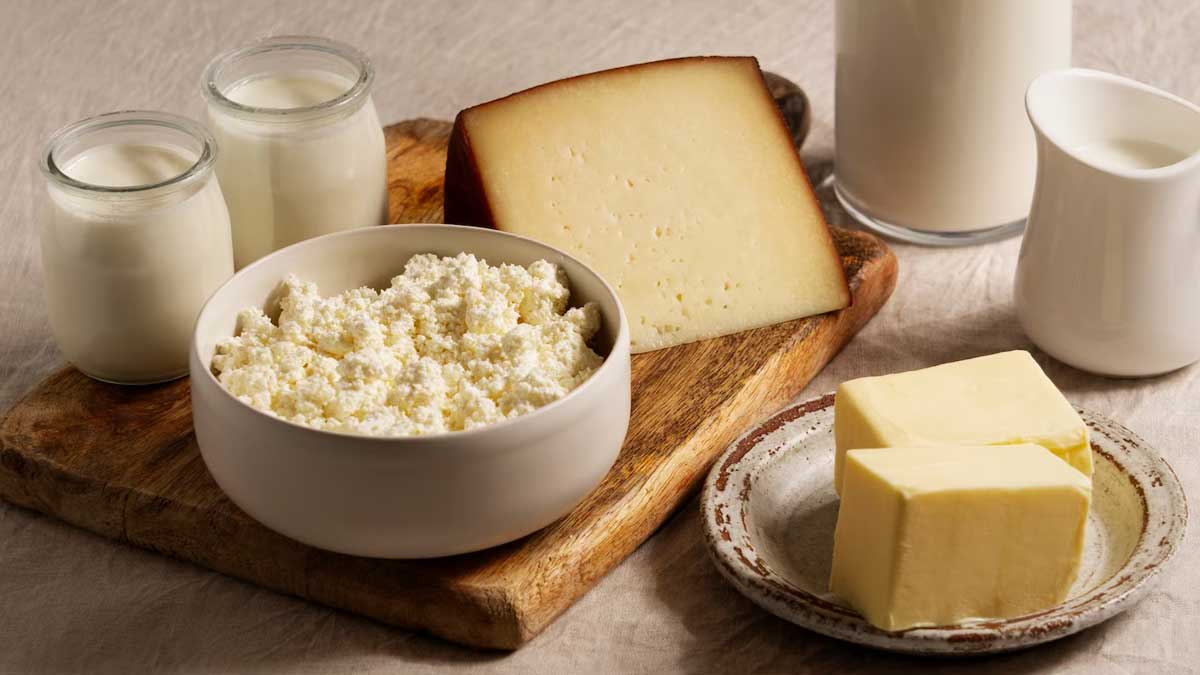 dairy dementia 1
Is Dairy Fat Linked To Lower Dementia Risk?
To understand the study better, we reached out to our expert. “Yes, emerging research does suggest that moderate intake of full-fat dairy, especially fermented dairy, may be associated with a lower risk of cognitive decline and dementia,” confirms Dr Chopra.
She adds, “When my clients ask about this, I clarify that it’s not the fat alone that protects the brain — it’s the whole food matrix. Traditional dairy fats, when eaten in moderation and as part of a balanced diet, do not automatically harm brain health. In fact, several population studies have shown better cognitive outcomes in people who consume natural, minimally processed dairy, compared to those consuming ultra-processed low-fat alternatives.”
Also Read: Is Air Pollution Linked To Dementia? Expert Decodes
Can Cheese And Cream Help In Lowering Dementia Risk?
So, are foods like cream and cheese – which are often avoided because of their ‘fat’ content – actually beneficial when it comes to lowering dementia risk? “I explain to my clients that cheese and cream provide vitamin B12, which is critical for nerve health and memory formation. Many older adults suffer from silent B12 deficiency, which is directly linked to memory loss,” shares Dr Chopra.
She adds, “Fermented cheeses are also rich in vitamin K2, a nutrient increasingly studied for its role in brain cell protection. Dairy fats contribute to neuronal membrane integrity, which is essential for proper signal transmission in the brain. Additionally, fermented dairy supports the gut microbiome, and we now know that a healthy gut plays a major role in long-term brain health.”
 dairy dementia 2
What Should One Eat To Lower Dementia Risk?
So, which foods, in general, have the potential to lower dementia risk? “From a clinical nutrition perspective, I always recommend a low-inflammation, blood-sugar-stable diet,” says Dr Chopra. She lists some foods and food groups which can help achieve this:
- Vegetables (especially leafy greens).
- Berries.
- Nuts.
- Seeds.
- Legumes.
- Adequate protein.
- Fermented foods.
- Healthy fats.
- Omega-3 fats.
- B vitamins.
- Antioxidants.
- Polyphenols
“Dementia prevention is not about one superfood — it’s about consistent nourishment of the brain over decades,” adds the expert.
Is Dairy Good For The Brain?
Circling back to what we started the article with – is dairy actually beneficial for our brain? “Yes, dairy can be good for the brain when consumed correctly. I encourage my clients to focus on quality over quantity — fermented dairy like curd, yogurt, and cheese rather than sweetened or ultra-processed dairy products. These foods provide essential fats, B vitamins, calcium, and probiotics that support nerve function and cognitive health. Dairy becomes problematic only when it is excessive, heavily processed, or combined with a high-sugar diet,” explains the expert.
 dairy dementia 3
Lastly, what is the number one worst eating habit for memory loss? Our expert answers this as well.
“The biggest dietary risk factor for memory loss that I see clinically is chronic high sugar and refined carbohydrate intake. Constant glucose spikes damage blood vessels in the brain, increase inflammation, and accelerate cognitive decline. Diets dominated by sugary drinks, sweets, bakery foods, and ultra-processed snacks do far more damage to memory than moderate intake of natural fats ever could,” concludes Dr Chopra.
Also Read: Even ‘Social Drinking’ May Increase Dementia Risk, Says Study
The Final Word
According to a new study, people who regularly consume higher-fat cheese and cream have a lower risk of developing dementia for over 25 years. Thus, emerging research does suggest that moderate intake of full-fat dairy, especially fermented dairy, may be associated with a lower risk of cognitive decline and dementia.
FAQ
Does high-fat dairy prevent dementia?
As per a study, people who ate 50 grams (about 2 ounces) or more of high-fat cheese daily had a 13% lower risk of dementia than those eating less than 15 grams (0.5 ounce).Does dairy affect memory?
Greater intakes of milk or dairy products have been associated with better general cognitive function.Which foods reduce dementia?
Foods such as leafy greens, berries, nuts, whole grains, fish (omega-3s), beans, olive oil, and poultry are believed to lower dementia risk.
All possible measures have been taken to ensure accuracy, reliability, timeliness and authenticity of the information; however Onlymyhealth.com does not take any liability for the same. Using any information provided by the website is solely at the viewers’ discretion. In case of any medical exigencies/ persistent health issues, we advise you to seek a qualified medical practitioner before putting to use any advice/tips given by our team or any third party in form of answers/comments on the above mentioned website.
How we keep this article up to date:
We work with experts and keep a close eye on the latest in health and wellness. Whenever there is a new research or helpful information, we update our articles with accurate and useful advice.
-
Current Version
Jan 05, 2026 15:14 IST
Modified By : Shruti Das Jan 05, 2026 15:14 IST
Modified By : Shruti DasJan 05, 2026 15:14 IST
Published By : Shruti Das
Reviewed By : Dr Geetika Chopra