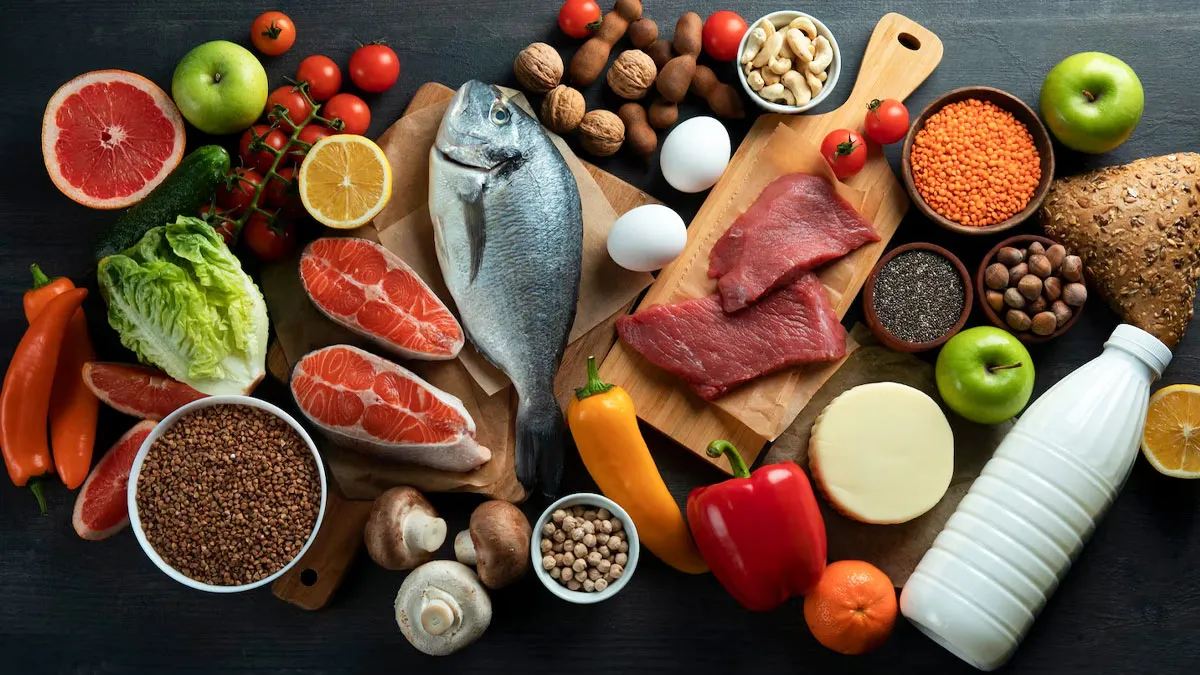
Those who are on their weight loss journey, they are well aware of how difficult it is to follow the right diet. They are always counting calories, and trying to cut down on carbohydrate-rich foods. But if you think that cutting down on calories also includes your proteins, then you are wrong. Rather, it is believed protein deficiency can make you fat – is this myth or reality? Today, we will answer this for you.
To get an expert view on this, we reached out to Dr Geetika Chopra, Celebrity Holistic Nutritionist. Keep reading.
Can Protein Deficiency Make You Fat?
First things first, let us find out whether protein deficiency can actually make you fat or not.
“Yes, and this surprises many people. In my clinical experience, protein deficiency is one of the most common hidden reasons behind weight gain. When the body does not get enough protein, it starts losing muscle mass. Muscle is metabolically active tissue; so as muscle reduces, metabolic rate slows down. A slower metabolism means the body burns fewer calories at rest, making it easier to gain fat even without eating more food. Low protein intake also increases hunger and cravings, leading to overeating, especially of carbohydrates,” explains Dr Chopra.
 protein fat inside 2
Signs Of Protein Deficiency
“In women, low protein often shows up as hormonal imbalance, irregular cycles, and low energy. Poor immunity and slow wound healing are also classic signs of protein deficiency,” says Dr Chopra. On this note, the expert shares signs that you are suffering from protein deficiency:
- Persistent fatigue.
- Hair fall.
- Weak nails.
- Muscle loss.
- Slow recovery from workouts or illness.
- Frequent hunger.
- Sugar cravings.
- Difficulty losing weight.
Also Read: Why Til and Dry Fruits Are Great for Your Heart, Skin, and Digestion? Dietician Explains
Can Protein Deficiency Cause Belly Fat?
Belly fat is very hard to lose. Can protein deficiency give you belly fat as well?
“Absolutely. I see this very often in my clients. When protein intake is low, blood sugar becomes unstable, insulin levels rise more frequently, and the body shifts into fat-storage mode. This fat is preferentially stored around the abdomen. At the same time, cortisol levels tend to increase in protein-deficient diets, and cortisol is strongly linked to abdominal fat accumulation. This is why many people gain belly fat despite eating ‘less’ or skipping meals,” explains Dr Chopra.
But how much protein does a person need daily, and how can it be calculated? “I usually recommend 0.8 to 1 gram of protein per kilogram of body weight for a sedentary adult. For physically active individuals or those aiming for fat loss, this can go up to 1–1.2 g/kg. For example, a 60-kg person needs around 48–60 grams of protein daily. The key is to distribute protein evenly across meals rather than consuming it all at once,” shares the expert.
Can A Protein-rich Diet Help You Lose Weight?
Last but not the least – can a diet which is rich in protein help you in weight loss? Our expert answers.
“Yes, when done correctly. A protein-rich, balanced diet helps preserve muscle mass, improves metabolism, controls appetite, and stabilises blood sugar levels. Protein increases satiety and reduces cravings, making it easier to maintain a calorie deficit without feeling deprived. This is why, in my practice, correcting protein intake is one of the first steps I recommend for sustainable fat loss,” explains Dr Chopra.
 protein fat inside 1
She adds, “Protein does not make you bulky or heavy — protein deficiency does. When protein intake is adequate and balanced, the body becomes more efficient at burning fat, maintaining muscle, and regulating hunger. This is why I consistently prioritise protein correction with my clients before focusing on calorie reduction.”
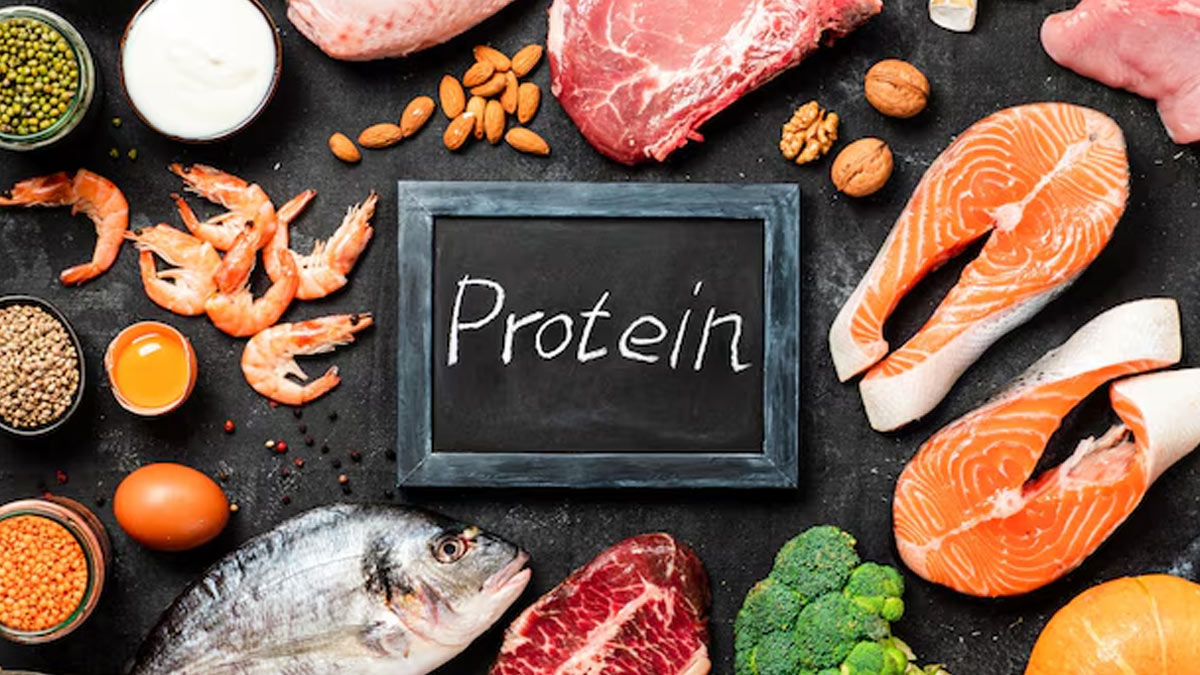
Expert-backed Protein Sources
On this note, Dr Chopra shares some of the best sources of protein – from vegetarian, vegan to non-vegetarian. Let’s take a look:
Vegan protein sources:
- Soybeans (100 g cooked) provide 16–18 g protein.
- Tofu (100 g) provides 10–12 g, tempeh (100 g) offers 18–20 g. C
- Chickpeas and rajma (100 g cooked) give around 8–9 g.
- Dals and lentils provide 7–9 g.
- Quinoa offers 4–5 g.
- Peanuts (30 g) give about 7 g.
- Pumpkin seeds (30 g) provide 8–9 g.
- Chia seeds (30 g) give roughly 5 g protein.
Vegetarian protein sources (with dairy):
- Paneer (100 g) contains 18–20 g protein.
- Greek yogurt or thick curd (100 g) gives 8–10 g.
- Milk (250 ml) provides 7–8 g.
- Cheese (30 g) gives 6–7 g.
- Soy chunks (50 g dry) provide 24–26 g.
- Besan (100 g) contains about 22 g protein.
- Non-vegetarian protein sources:
- One whole egg provides 6–7 g protein.
- Egg white gives 3–4 g protein.
- Chicken breast (100 g cooked) offers 22–25 g.
- Fish (100 g cooked) provides 20–22 g.
- Mutton (100 g cooked) gives 18–20 g.
- Prawns (100 g cooked) offer around 20 g protein.
Non-vegetarian protein sources:
- One whole egg provides 6–7 g protein.
- Egg white gives 3–4 g protein.
- Chicken breast (100 g cooked) offers 22–25 g.
- Fish (100 g cooked) provides 20–22 g.
- Mutton (100 g cooked) gives 18–20 g.
- Prawns (100 g cooked) offer around 20 g protein.
Also Read: Overeating in Winter? Expert Explains What Your Body Is Really Asking For
The Final Word
Protein deficiency is one of the most common hidden reasons behind weight gain. When the body does not get enough protein, it starts losing muscle mass. A protein-rich, balanced diet helps preserve muscle mass, improves metabolism, controls appetite, and stabilises blood sugar levels. Thus, one must keep their protein intake in check.
FAQ
Can low protein cause weight gain?
Yes, protein deficiency may also impact how much you weigh.Can protein deficiency cause belly fat?
Yes, it can because a diet low in protein slows metabolic rate, reduces lean muscle mass, and triggers cravings for high-calorie foods.What is a protein deficiency called?
Protein deficiency is broadly called Protein-Energy Malnutrition (PEM).
All possible measures have been taken to ensure accuracy, reliability, timeliness and authenticity of the information; however Onlymyhealth.com does not take any liability for the same. Using any information provided by the website is solely at the viewers’ discretion. In case of any medical exigencies/ persistent health issues, we advise you to seek a qualified medical practitioner before putting to use any advice/tips given by our team or any third party in form of answers/comments on the above mentioned website.
How we keep this article up to date:
We work with experts and keep a close eye on the latest in health and wellness. Whenever there is a new research or helpful information, we update our articles with accurate and useful advice.
-
Current Version
Dec 24, 2025 17:47 IST
Modified By : Shruti Das Dec 24, 2025 17:47 IST
Modified By : Shruti DasDec 24, 2025 17:47 IST
Published By : Shruti Das
Reviewed By : Dr Geetika Chopra