$
At-home genetic methylation tests have opened doors for individuals seeking insights into their health at a molecular level. These tests generally analyze saliva or cheek swab samples to assess an individual's DNA methylation patterns, which are crucial biological processes that influence gene expression and function.
Methylation plays a significant role in various cellular processes, ranging from regulation of gene expression to maintenance of genomic stability. The growing interest in personal health and preventative care has led to the popularity of these tests, providing a convenient way to understand one's genetic predisposition to certain conditions and the aging process.
Understanding your genetic methylation status can be paramount for making informed diet, lifestyle, and healthcare decisions.
Methylation patterns can influence how one's body processes vitamins and toxins, responds to stress, and risk factors for certain diseases, linking closely to overall health and wellness.
Furthermore, the test results often serve as a conversation starter with healthcare professionals, paving the way for personalized medicine and a collaborative approach to managing health.
It's important, however, to approach the interpretation of such tests with careful consideration and, preferably, the guidance of a genetic counselor or a healthcare provider.
Key Takeaways
- At-home tests provide a convenient approach to understanding individual genetic methylation.
- Methylation profoundly impacts health, affecting everything from aging to disease susceptibility.
- Collaborating with healthcare professionals is critical for actionable insights from test results.
- You must get your genetic methylation test from a reputable source.
Understanding Genetic Methylation

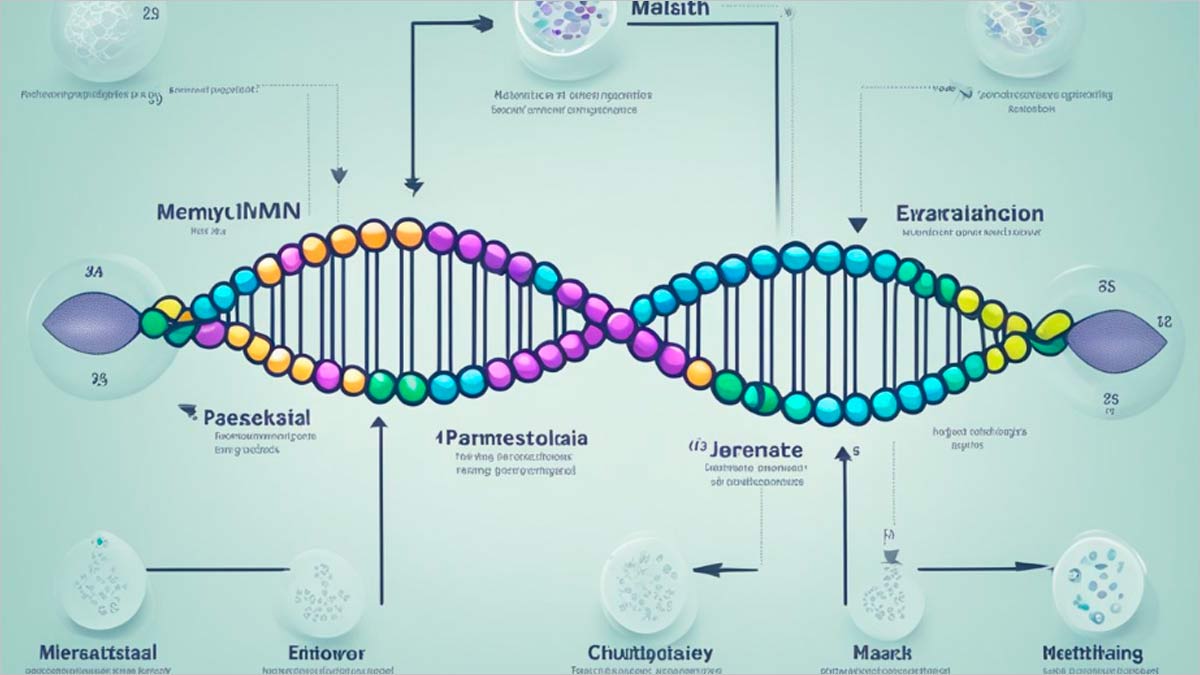
Genetic methylation refers to a biochemical process involving adding a methyl group to the DNA molecule. Methylation typically occurs at the fifth carbon atom of cytosine rings—creating 5-methylcytosine—a crucial process in regulating gene expression.
The DNA molecule is composed of four nucleotide bases: adenine (A), cytosine (C), guanine (G), and thymine (T). Genes, which are segments of DNA, contain the instructions for protein production and are essential for the functioning and development of all living organisms.
The methylation process can modify these instructions by silencing or activating specific genes without altering the DNA sequence.
- Gene Activation: Hypomethylation (low level of methylation) can lead to gene activation.
- Gene Silencing: Hypermethylation (high level of methylation) is generally associated with gene silencing.
Scientists and healthcare professionals can assess an individual’s methylation status on different genes through methylation tests. This assessment can be conducted using various biological samples, such as blood or saliva.
Why Methylation Matters: It is involved in numerous key processes, including but not limited to
- Embryo development
- X-chromosome inactivation,
- Imprinting
- Preservation of chromosome stability
- Aging
Conducting a Methylation Test:
- Sample Collection: A simple, non-invasive method, typically involving a cheek swab or blood sample.
- Laboratory Analysis: The sample is then processed to determine methylation patterns at specific sites in the genome.
- Results Interpretation: Specialists analyze the test results to understand the methylation status and its potential implications on health.
Importance of Methylation in Health
>> Get your genetic methylation test here
Methylation is a biochemical process critical for many physiological functions, from DNA repair to gene expression. It plays a vital role in maintaining health and preventing various diseases.
Cardiovascular Health
Methylation patterns in DNA can influence the development of cardiovascular disease.
Proper methylation processes are crucial for reducing the risk of heart conditions by influencing gene expression related to heart muscle function and blood vessel health.
Research suggests that aberrations in methylation patterns are associated with an increased risk of cardiovascular diseases.
Mental Wellness
Methylation also impacts mental health.
Its role in the central nervous system aids in regulating neurotransmitter synthesis, which is crucial for mood stabilization and cognitive functions.
Alterations in methylation can be linked to neurodegenerative disorders and may affect the body's response to aging at the neurological level.
Detoxification Processes
The body's detoxification pathways depend heavily on methylation.
It assists in the conversion of toxins into harmless substances, which are then excreted from the body.
This means efficient methylation can help prevent the accumulation of harmful substances that may contribute to the onset of diseases, including certain types of cancer.
Exploring Common Methylation Pathways
Methylation is a biochemical process essential for the proper function of almost all of our body's systems. It involves the transfer of a single carbon and three hydrogen atoms – a methyl group – to another molecule.
This section focuses on two key aspects: the MTHFR gene's role in methylation and the broader methylation cycle.
MTHFR Functionality
The MTHFR gene provides instructions for making an enzyme necessary for properly converting folic acid into folate, which is its bioactive form.
This process is critical because folate participates in methylation pathways that process amino acids, such as homocysteine.
Irregularities in the MTHFR gene can lead to inefficiencies in these pathways and have various health implications.
Methylation Cycle
The methylation cycle is a complex system involving numerous components, including B vitamins, and plays a pivotal role in several bodily functions.
In this cycle, enzymes work to transfer methyl groups, which are essential for cellular energy, detoxification, immune function, and DNA repair.
A properly functioning cycle helps maintain homocysteine levels at a balance, ensuring cardiovascular, cognitive, and emotional health.
At-Home Methylation Testing
At-home methylation testing is a convenient way to understand one's genetic methylation processes without stepping into a clinical setting.
Benefits of Home Testing
At-home genetic testing provides individuals with the means to gain insights into their biological processes in the privacy of their own homes.
Convenience is a key advantage, as these tests typically require only a cheek swab sample that can be collected easily and sent back for analysis.
This non-invasive method enhances comfort and encourages more people to take proactive steps in understanding their genetic health.
Furthermore, at-home testing can be a time-saver, eliminating the need for scheduling and travel associated with in-person appointments.
Test Methodology
The methodology of an at-home methylation test aims to maintain a high standard of accuracy correlating with laboratory methods.
After collecting a cheek swab sample, users send it to a lab where advanced techniques are employed to analyze DNA methylation patterns.
Methylation tests specifically examine how methyl groups are added to DNA molecules, influencing gene expression.
This information can reveal biological age and potential health risks, making it a powerful tool for personal health management.
Users must follow the kit instructions meticulously to ensure the sample's integrity for accurate results.
Interpreting Your Genetic Test Results
When you receive your at-home genetic methylation test results, it is crucial to understand how to interpret the data. Specifically, knowing how single nucleotide polymorphisms (SNPs) and variants are read and assessing your health risks are key elements of this process.
Reading SNPs and Variants
Interpreting SNPs—a type of genetic mutation—and gene variants in your genetic test is the first step in understanding your results.
Each SNP represents a potential variation in a DNA sequence, which can be linked to different traits and health implications.
For instance, an SNP in the MTHFR gene may influence homocysteine levels in the blood, an important marker for cardiovascular risk.
It is common to see results displayed in a table format, where:
- Reference SNP (rs) numbers are listed alongside your genotype for that SNP.
- The function of each SNP and its known associations with health conditions are described briefly.
Variants can be homozygous, where both gene copies are the same, or heterozygous, where the copies differ.
Heterozygous mutations have a subtler effect on health, while homozygous mutations are more significant.
Health Risk Assessments
Assessing health risks from genetic test results focuses on interpreting how the variants in your genes may interact to influence your health.
For instance, certain gene variants are known to affect methylation processes, which are critical for DNA repair and expression.
Poor methylation can lead to elevated homocysteine levels. Hence the test results need to indicate:
- The risk associated with each gene variant is increased susceptibility to certain conditions.
- Cumulative effects of multiple gene variants, especially if they are related to the same biological pathway or condition.
Nutrition and Lifestyle Factors Affecting Methylation
Understanding how nutrition and lifestyle influence genetic methylation is vital for those looking to maintain or improve their health. The choices one makes in diet, exercise, sleep, and supplementation can directly impact methylation processes.
Impact of Diet
Diet plays a critical role in DNA methylation, with certain foods either promoting or inhibiting the addition of methyl groups to the DNA strand.
Nutrients like folate, vitamin B12, and methionine, commonly found in leafy greens, fish, and legumes, are especially important for supporting normal methylation.
Conversely, excessive consumption of alcohol and processed foods may lead to suboptimal methylation patterns.
Exercise and Sleep
Regular exercise is associated with positive changes in DNA methylation, reinforcing the importance of physical activity in gene expression regulation.
Furthermore, adequate sleep is essential as it may influence circadian rhythm and methylation.
Both factors, exercise, and sleep, play dynamic roles in maintaining proper cellular function and preventing aberrant methylation patterns.
Supplementation Guidance
While diet is the foundation, supplements can help fill the nutrient gaps.
Supplements containing vitamins B6, B12, folate, and methionine can be beneficial for methylation support, particularly when dietary intake is insufficient.
Individuals must consult healthcare professionals for personalized supplement guidance to ensure optimal methylation and avoid unnecessary risks.
Genetic Counseling and Healthcare Collaboration
Incorporating genetic counseling into healthcare fosters a strategic partnership focused on comprehensive patient care. Leveraging multidisciplinary expertise is essential in realizing the full potential of genetic testing.
Seeking Professional Advice
Upon receiving results from a genetic test, individuals need to seek professional advice from a genetic counselor.
These professionals elucidate the test results, explain potential health implications, and guide patients in understanding complex genetic information.
Discussions will often include parsing through medical terminology and the terms of service provided by the testing entities, ensuring patients are fully informed about the implications of their genetic data.
Collaborative Health Management
The role of genetic counselors extends beyond interpretation, encompassing a collaborative relationship with patients and healthcare providers.
They serve as a crucial link between emerging genetic information and traditional medical care, assisting physicians in integrating these insights into a comprehensive health management plan.
Through such collaboration, the application of genetic testing moves from purely educational purposes to an active component in preventative and personalized healthcare strategies.
Frequently Asked Questions
Genetic methylation tests offer insights into one's health and biological age. Here are some of the most commonly asked questions regarding these tests.
How do you test for gene methylation?
Gene methylation tests typically involve the collection of a DNA sample, which can be done through a cheek swab or saliva sample.
The sample is then analyzed in a laboratory to detect methylation patterns at specific sites within the DNA, which can reveal information about gene expression and potential health risks.
What is the best genetic testing for methylation?
The best genetic methylation test generally refers to those that accurately assess methylation levels at relevant gene sites and are backed by robust scientific research.
The ideal test would provide actionable insights regarding an individual's health.
Are genetic methylation tests reliable?
The reliability of genetic methylation tests can vary based on the technology and methods used.
Quality tests are designed to be highly specific and provide reproducible results. However, interpretations of these tests should be done carefully, preferably with the guidance of a healthcare professional.
What is the average cost of a genetic methylation test?
The cost of genetic methylation tests can range widely depending on the complexity of the test and the number of genes analyzed. Expect to pay a few hundred dollars.
Is genetic methylation testing covered by health insurance?
These tests are usually considered elective or for informational purposes and may not be covered by standard health insurance plans. Consumers should check with their insurance providers for specific details.
What are the differences between cheek swabs and other sample collection methods for methylation testing?
Cheek swab collection, a non-invasive method, involves rubbing a swab inside the person's cheek to collect cells for DNA analysis. Cheek swabs are preferred for convenience and ease of self-collection.
Note- This article is written by Brand Desk.
All possible measures have been taken to ensure accuracy, reliability, timeliness and authenticity of the information; however Onlymyhealth.com does not take any liability for the same. Using any information provided by the website is solely at the viewers’ discretion. In case of any medical exigencies/ persistent health issues, we advise you to seek a qualified medical practitioner before putting to use any advice/tips given by our team or any third party in form of answers/comments on the above mentioned website.

How we keep this article up to date:
We work with experts and keep a close eye on the latest in health and wellness. Whenever there is a new research or helpful information, we update our articles with accurate and useful advice.
-
Current Version
Feb 23, 2024 15:29 IST
Modified By : Partner Content Feb 23, 2024 15:29 IST
Published By : Partner Content