
Thick smog and hazy skies have raised fresh concerns about air pollution across several Indian cities following Diwali celebrations. On November 9, Delhi woke up to a blanket of smog, with several monitoring stations recording severe air quality. Lucknow also reported hazy conditions, while Pune recorded poor air quality.
According to CPCB-based readings reported on Monday, Delhi's AQI stood at 370, Lucknow's at 250 and Pune's at 242. With pollution levels rising, prolonged exposure can affect the lungs, heart and overall health.
Why Is Rising AQI A Health Concern?
Air pollution is not just an outdoor visibility problem. Fine particulate matter, particularly PM2.5, is one of the biggest health concerns during periods of poor air quality.
AQI from different Indian cities after last night diwali celebrations. Bangalore - 202 Hyderabad - 383 Mumbai - 556 Kolkata - 608 Ahmedabad - 636 Chennai - 684 Pune - 776 New Delhi - 1747 Few areas in Delhi reached 2500 - 3000 #Diwali #AQI https://t.co/OuWqFrMoY3
— 24/7 (@_24by7) November 9, 2026
These particles are around 30 times thinner than a human hair. Their small size allows them to travel deep into the lungs. Some can also enter the bloodstream and contribute to inflammation.
5 Simple Steps To Protect Your Health From Rising AQI
Here are 5 tips that can help you stay protected as the AQI is rising,
1. Check The AQI Daily And Plan Your Activities
"Knowing the AQI before stepping outdoors can help you make safer decisions. Avoid unnecessary outdoor exposure when pollution levels are high, particularly during the winter months," advises Prof Dr SM Fayaz, Lead and Senior Consultant, Internal Medicine, KIMS Hospitals, Mahadevapura.
The Air Quality Index (AQI) converts different pollution levels into a numerical reading. India's National AQI follows these categories:
- 0-50: Good
- 51-100: Satisfactory
- 101-200: Moderate
- 201-300: Poor
- 301-400: Very Poor
- 401-500: Severe
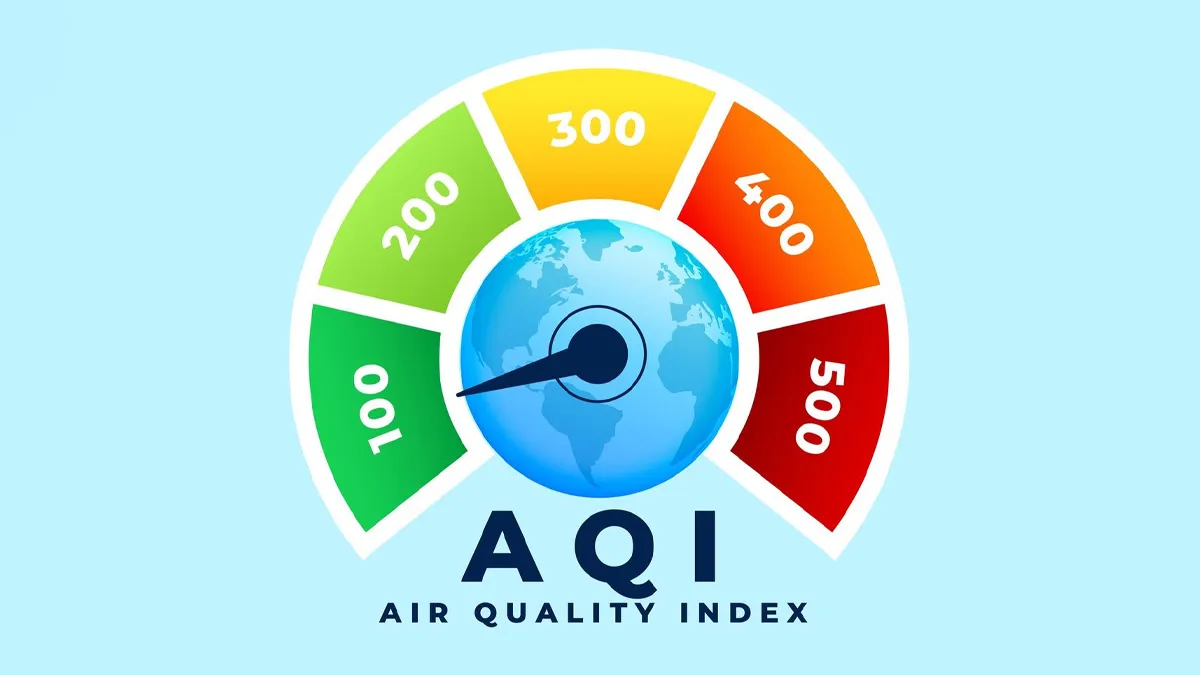
When the AQI enters the poor or worse categories, limit outdoor activities. Avoid jogging, cycling or exercising near busy roads. Physical activity increases breathing rates, which can lead to greater inhalation of pollutants.
2. Wear The Right Mask When Stepping Outside
Dr Fayaz points out that a well-fitted N95 or FFP2 respirator might be a more effective way to limit exposure to airborne particles than a regular cloth or surgical mask.
Not every mask will offer the same amount of filtration. The main purpose of cloth and surgical masks is to prevent the spread of larger droplets. May not be effective at filtering very small pollutants.
Here are some things to remember:
- Use a certified N95 or FFP2 respirator.
- Make sure it snugly fits around nose and cheeks.
- Don't wear masks with holes that allow contaminated air to get in.
- If the mask is wet, soiled or hard to breathe through, discard it.
3. Keep Your Indoor Air Clean
"Staying indoors does not automatically mean you are protected from pollution. Outdoor particles can enter through windows and doors, while indoor smoke and dust can add to the pollution load," explains Dr Fayaz.
When outdoor AQI levels are high, keep windows and doors closed as much as possible. Ventilate your home briefly when outdoor pollution levels are relatively lower.
4. Support Your Body's Natural Defences
While the avoidance of exposure remains the primary treatment for exposure to inhaled pollutants, good hydration, balanced nutrition and adequate sleeping will promote general health during exposure to high pollution levels, Dr Fayaz adds.
While no food or drink will definitely shield the body from polluted air, healthy lifestyle will certainly help in general wellbeing.
Some of the effective steps are:
- Ensure adequate intake of water, throughout the day, to avoid dehydration.
- Include fruits, vegetables, nuts and seeds in your diet.
- Wash hands and face after coming back from outside.
- Use of saline nasal irrigations to rinse the nose (sterile or boiled and cooled water) to help remove nasal mucus.
- Stay within, if pollution is high outdoors, exercise indoors regularly.
- Stay up-to-date on vaccinations, including the influenza vaccine and pneumococcal vaccine (if indicated).
Foods that are rich in antioxidants can aid the body's reaction to oxidative stress. But there is limited evidence that certain foods are a preventative of any damage caused by pollution.
Do not use detox drinks, steam or herbal remedies to cleanse the lungs as they contain pollutants. These are not proven treatments for exposure to air pollution.
5. Know Your Risk And Watch For Warning Signs
Dr Fayaz cautions that people with pre-existing medical conditions and older adults, as well as pregnant women, should be especially vigilant when air pollution levels are high, and children are particularly vulnerable.
Asthmatic people, people with chronic obstructive pulmonary disease (COPD), heart disease or diabetes might be at a higher risk to effects of polluted air.

If you have a current respiratory or heart disease:
- Have prescription medicines and inhalers available.
- Follow your doctor's directions and asthma plan.
- Do not go outdoors during high pollution times.
- Never discontinue medication without consulting a physician.
- Please be aware of symptoms that include: persistent coughing, wheezing, breathlessness, chest tightness, burning eyes, sore throat and unusual tiredness.
If symptoms last for more than a few days or get worse, see a doctor. If your breathing becomes very laboured, your chest hurts or you go faint, then you need urgent medical help.
Conclusion
Dr Fayaz concludes, "Although it is impossible to control the quality of the outdoor air, it is possible to reduce exposure; check the AQI, use a well-fitted mask when necessary, keep indoor air cleaner and be alert for warning signs.
Personal precautions can be used to limit exposure, but cannot be a substitute for controlling pollution at its source. Even with reduced air quality, it is important to have consistent habits and receive timely medical care.
FAQ
1. Can air pollution affect your skin and hair?
Yes. Air pollution exposure can cause oxidative stress and inflammation of the skin. Impurities can cause irritation, dryness and premature aging of skin. PM can also clog the scalp and hair, leading to irritation.2. Is it safe to dry clothes outdoors when AQI is high?
Do not dry clothes outdoors on days of high pollution, especially in areas with high smog. Damp fabrics can attract airborne particles. Indoor drying of clothes in a well-ventilated area, away from sources of indoor pollution, can help limit exposure.
All possible measures have been taken to ensure accuracy, reliability, timeliness and authenticity of the information; however Onlymyhealth.com does not take any liability for the same. Using any information provided by the website is solely at the viewers’ discretion. In case of any medical exigencies/ persistent health issues, we advise you to seek a qualified medical practitioner before putting to use any advice/tips given by our team or any third party in form of answers/comments on the above mentioned website.
How we keep this article up to date:
We work with experts and keep a close eye on the latest in health and wellness. Whenever there is a new research or helpful information, we update our articles with accurate and useful advice.
-
Current Version
Nov 09, 2026 13:03 IST
Published By : Vivek Kumar
Reviewed By : Prof Dr S M Fayaz