Why Your Blood Pressure May Rise in Winter Even If You Feel Fine
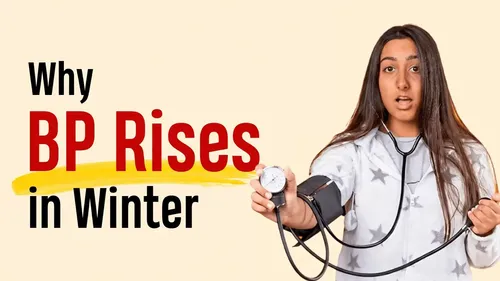
Blood pressure is often associated with stress, excessive salt consumption, obesity and an unhealthy lifestyle. However, one factor that frequently goes unnoticed is the changing season. Many people experience an increase in blood pressure during winter, even when their daily routine, diet and overall health appear unchanged.
This seasonal variation is medically recognised and can be particularly important for individuals who already have hypertension, diabetes, kidney disease or other cardiovascular risk factors.
Internal medicine specialists explain that colder temperatures can influence blood circulation, blood vessel function and the body's regulatory mechanisms, sometimes resulting in higher blood pressure readings.
Why Does Blood Pressure Increase During Winter?
According to Dr Tushar Tayal, Director, Internal Medicine, CK Birla Hospital, Gurugram, the primary reason is vasoconstriction, a natural response through which blood vessels narrow when the body is exposed to cold temperatures.
When temperatures fall, the body attempts to conserve heat and maintain its core temperature. Blood vessels near the skin and extremities constrict, reducing heat loss.
However, this narrowing increases resistance to blood flow. As the heart has to pump against greater resistance, blood pressure may rise.
The sympathetic nervous system, which regulates the body's response to environmental stress, also becomes more active in cold conditions. This can contribute to increased heart rate and vascular resistance, according to the American Heart Association.
These physiological responses may explain why blood pressure readings are often higher during colder months than during warmer seasons.
What Other Winter Habits Can Contribute?
Apart from temperature, lifestyle changes during winter can further influence blood pressure.
Reduced physical activity is a significant contributor. Shorter days, colder mornings and uncomfortable outdoor conditions often discourage people from exercising regularly.
Dietary habits may also change. People may consume more fried foods, processed snacks, pickles, packaged soups and other high-sodium foods during winter. Excessive sodium intake can cause the body to retain more water, increasing the volume of blood circulating through the blood vessels.
Also Read: How Much Salt Is Safe For Heart Patients?
Reduced sunlight exposure, changes in sleep patterns and increased alcohol consumption during social gatherings may also affect cardiovascular health.
Additionally, inadequate hydration can contribute to overall health disturbances, although dehydration does not consistently cause blood pressure to rise and should not be considered a direct explanation for every elevated reading.
Why Can Blood Pressure Rise Without Any Symptoms?
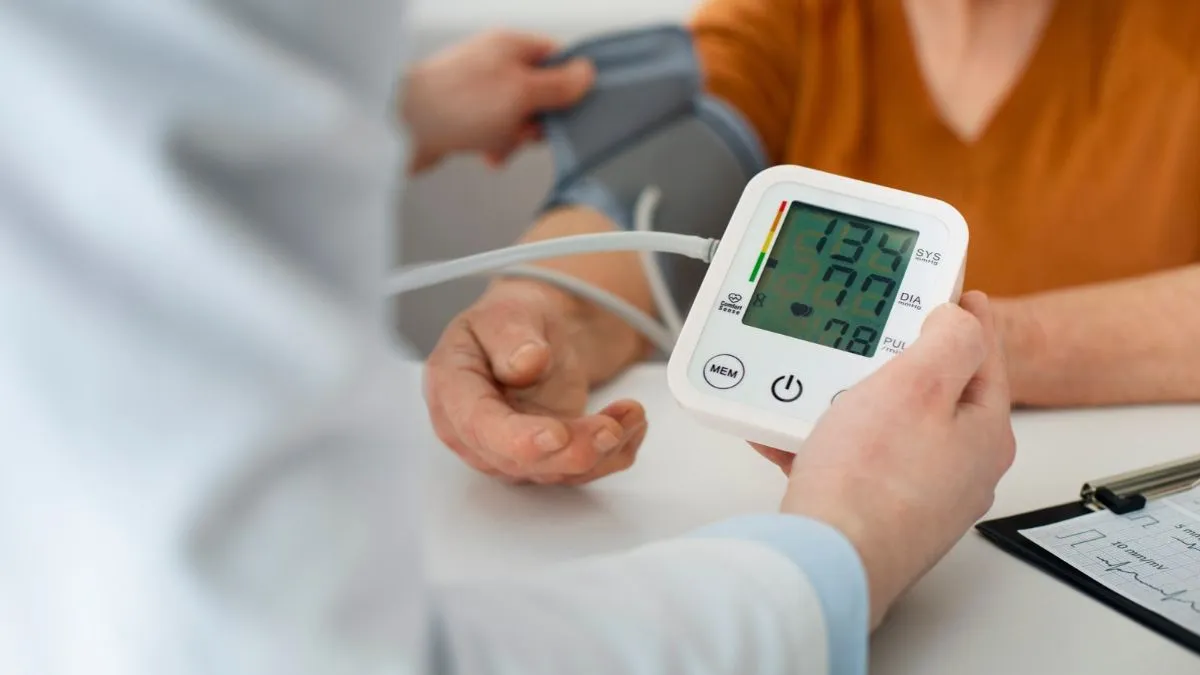 Blood Pressure Reading
One of the biggest misconceptions about hypertension is that a person can feel when their blood pressure becomes high.
In reality, according to a study published in the International Journal of Current Pharmaceutical Review and Research, hypertension is often asymptomatic. Many individuals continue their daily activities without experiencing headaches, dizziness, chest discomfort or any noticeable physical changes.
This is why hypertension is often called a silent condition.
A person may have significantly elevated blood pressure without feeling unwell. Waiting for symptoms before checking blood pressure can therefore delay diagnosis and treatment.
Persistently uncontrolled hypertension can gradually damage blood vessels and increase the risk of heart attack, stroke, heart failure and kidney disease.
Who Needs To Be Particularly Careful During Winter?
People with previously diagnosed hypertension should monitor their readings regularly, particularly if they notice seasonal variations.
- Older adults, individuals with diabetes, chronic kidney disease, obesity or existing cardiovascular disease may also require closer monitoring.
- Cold weather can be particularly challenging for older individuals because the body's ability to regulate temperature and circulation may become less efficient with age.
How Can Blood Pressure Be Managed During Winter?
Maintaining a consistent routine is important, even when temperatures fall.
- Continue prescribed blood pressure medication without skipping or changing doses independently.
- Check blood pressure regularly using a validated upper-arm monitor.
- Maintain physical activity through indoor exercises, walking or other suitable activities.
- Limit salt intake and reduce consumption of highly processed foods.
- Include fruits, vegetables, whole grains and other heart-healthy foods in daily meals.
- Maintain adequate hydration.
- Dress warmly, particularly when stepping outdoors during early mornings and late evenings.
- Maintain regular sleep schedules and limit excessive alcohol consumption.
For accurate home readings, individuals should sit quietly for five minutes, keep their back supported and feet flat on the floor, and rest their arm at heart level. Ideally, two readings should be taken one minute apart.
Also Read: Can Running Help Manage BP Levels? Here Is What A Doctor Says
When To See a Doctor
Individuals should seek medical assessment if their blood pressure readings are consistently above 130/90 mmHg, rather than dismissing them as temporary fluctuations. Repeated measurements, preferably including home BP monitoring, help establish whether hypertension is present and whether treatment or lifestyle modifications are required.
Blood pressure readings of 180 mmHg systolic or 120 mmHg diastolic or higher indicate severely elevated blood pressure and require prompt medical assessment. If associated with chest pain, breathlessness, severe headache, visual disturbances, confusion, weakness or difficulty speaking, it should be treated as a medical emergency requiring immediate hospital evaluation. Even in the absence of symptoms, persistently elevated readings in this range should not be ignored and require urgent medical advice.
Final Word
The message is simple: feeling healthy does not necessarily mean blood pressure is under control. Regular measurement remains one of the most effective ways to identify hypertension early and protect long-term heart and vascular health.
FAQ
Is 140-90 BP normal for a person aged 60 and above?
No, the normal blood pressure reading for everyone is 120/80 mmHg. If your blood pressure is above this range, it is considered high.At what time of day is BP highest?
Generally, blood pressure is highest in the early morning. However, your daytime activities, meals, and lifestyle habits can trigger high BP.
All possible measures have been taken to ensure accuracy, reliability, timeliness and authenticity of the information; however Onlymyhealth.com does not take any liability for the same. Using any information provided by the website is solely at the viewers’ discretion. In case of any medical exigencies/ persistent health issues, we advise you to seek a qualified medical practitioner before putting to use any advice/tips given by our team or any third party in form of answers/comments on the above mentioned website.
How we keep this article up to date:
We work with experts and keep a close eye on the latest in health and wellness. Whenever there is a new research or helpful information, we update our articles with accurate and useful advice.
-
Current Version
Nov 27, 2026 13:33 IST
Published By : Chanchal Sengar
Reviewed By : Dr Tushar Tayal