Are You Dressing Your Child Too Warmly for Delhi Winters? Doctor Tells Why Overdressing Could Be a Problem
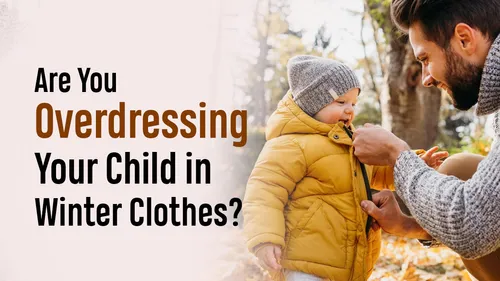
As temperatures begin to drop in Delhi, parents often bring out woollen sweaters, jackets, caps, gloves and thick blankets to protect their children from the cold. However, dressing children in too many layers can sometimes do more harm than good. Overdressing may cause excessive sweating, skin irritation, discomfort and overheating, particularly in babies and younger children who cannot clearly communicate that they are feeling too warm.
Delhi winters can be unpredictable, with chilly mornings and evenings, relatively warmer afternoons and significant temperature variations between indoor and outdoor environments. This makes it important for parents to dress children according to the weather rather than simply adding more layers.
Why Can Overdressing Be a Problem for Kids?
Young children, particularly newborns and infants, have less developed temperature-regulation mechanisms than adults. Babies also cannot remove extra clothing or blankets themselves when they feel hot.
When children wear too many layers, their bodies may struggle to release excess heat. This can cause sweating, flushed skin, irritability and disturbed sleep.
Overdressing during sleep is particularly concerning for infants. Excessive clothing, thick blankets and a warm sleeping environment can increase the risk of overheating, which is associated with a higher risk of sudden infant death syndrome (SIDS), according to a study published in the journal 'Frontiers in Pediatrics'.
Older children may also become uncomfortable when dressed too warmly. Excessive sweating can leave their clothes damp, making them feel cold once they move into a cooler environment.
According to Dr Abhishek Chopra, Senior Pediatrician and Neonatologist at Cloudnine Group of Hospitals in Punjabi Bagh, New Delhi, “Overdressing can restrict their body movements and physical activity, which can hamper muscle growth and bone density.”
Signs Your Child May Be Wearing Too Many Layers
Parents often judge whether a child is feeling cold by touching their hands and feet. However, these body parts can naturally feel cooler than the rest of the body, particularly in babies.
Instead, check the child's chest, back or the back of their neck to understand whether they are comfortably warm.
Look out for these signs of overheating:
- Sweating: A damp neck, back or hairline may indicate that your child is too warm.
- Flushed skin: Unusually red or warm skin can be a sign of excessive heat.
- Rapid breathing: Faster-than-usual breathing may indicate overheating or another health concern.
- Restlessness: Children may become irritable, uncomfortable or unusually fussy when dressed in too many layers.
- Damp clothing: Sweat-soaked clothes can make children uncomfortable and increase heat loss once temperatures drop.
In babies, unusual sleepiness, difficulty feeding or a child who feels very hot should not be ignored. If a baby is difficult to wake, has breathing difficulties or appears seriously unwell, seek urgent medical attention.
Also Read: How Often Is ‘Too Often’ For A Child To Have A Cold? When Parents Should Worry
How Should You Dress Children for Delhi Winters?
The key is to dress children in comfortable layers that can be added or removed depending on the temperature.
Follow the layering rule
Instead of putting on one very thick sweater, use multiple lighter layers. Start with a comfortable cotton vest or inner layer, followed by a full-sleeved top and a sweater or jacket when required.
This makes it easier to adjust clothing when moving between cold outdoor conditions and warmer indoor spaces.
Choose breathable fabrics
Cotton and other breathable fabrics can help manage moisture and improve comfort. Avoid unnecessarily heavy or tight clothing that restricts movement or traps too much heat.
Adjust clothing according to the time of day
Delhi mornings and evenings can be considerably colder than afternoons. Children may need an additional layer when going outside early in the morning, but the same clothing may become uncomfortable later in the day.
Remove extra layers when the child moves indoors or starts feeling warm.
Be careful with winter accessories
Caps, socks, gloves and scarves can help protect children from cold weather when needed. However, avoid keeping babies' heads covered indoors or during sleep, as they release heat through their heads.
For infants, never use loose blankets, quilts or pillows in the sleeping area. Dress them in suitable sleepwear and maintain a comfortable room temperature.
Change damp clothes promptly
If your child sweats while playing or travelling, change damp clothing as soon as possible. Staying in wet clothes can make them uncomfortable, particularly when the temperature drops.
Does Every Child Need the Same Number of Layers?
No. Clothing requirements depend on the child's age, activity level, health and surroundings.
Newborns and young infants need closer monitoring because they cannot regulate their body temperature as effectively or communicate discomfort. Older children who are physically active may need fewer layers because movement generates body heat.
Children who are sitting still, travelling in a vehicle or sleeping may require different clothing from those playing outdoors.
Parents should also avoid relying entirely on their own clothing choices. Adults may feel colder or warmer than children depending on their activity levels and individual comfort.
When Should Parents Be Concerned?
Overheating is not always caused by clothing. Fever, infections and other health conditions can also make a child feel unusually warm.
If your child has a high temperature, persistent sweating, unusual lethargy, poor feeding or breathing difficulties, consult a doctor rather than simply removing layers and assuming the problem is resolved.
Final Word
Keeping children warm during Delhi winters is important, but wrapping them in too many layers is unnecessary. Choose breathable clothing, check their chest or back for signs of overheating and adjust layers throughout the day. The aim is to keep your child comfortably warm, not excessively hot.
FAQ
Too hot or too cold, what is worse for babies?
Both, excessive hot and excessive cold is bad for babies. However, overheating is considered more dangerous.What happens if a baby gets too cold overnight?
If a baby feels cold at night, they will show their discomfort by crying, restlessness, and changing physical posture.
All possible measures have been taken to ensure accuracy, reliability, timeliness and authenticity of the information; however Onlymyhealth.com does not take any liability for the same. Using any information provided by the website is solely at the viewers’ discretion. In case of any medical exigencies/ persistent health issues, we advise you to seek a qualified medical practitioner before putting to use any advice/tips given by our team or any third party in form of answers/comments on the above mentioned website.
How we keep this article up to date:
We work with experts and keep a close eye on the latest in health and wellness. Whenever there is a new research or helpful information, we update our articles with accurate and useful advice.
-
Current Version
Nov 22, 2026 10:38 IST
Published By : Chanchal Sengar
Reviewed By : Dr Abhishek Chopra