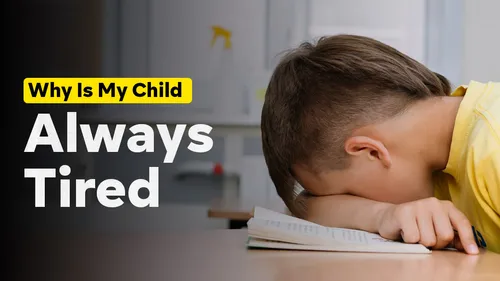
Children can have days when they are tired after a busy day at school, sports practice, or a late night. But if your child regularly says they are tired, seems unusually sleepy, or has little energy for activities they normally enjoy, it is worth looking at the possible cause.
So, why is my child always tired? Persistent tiredness can be linked to something as simple as poor sleep or an unbalanced routine, but it can sometimes signal an underlying health problem.
When Is Child Fatigue Normal vs. When Is It a Cause for Concern?
According to Dr Harshit Kumar, Consultant - Pediatrician and Neonatologist at Cloudnine Group of Hospitals, Jalandhar, "Occasional tiredness is usually normal. Children need plenty of sleep because their bodies and brains are still developing. A child may temporarily feel tired after increased physical activity, a busy school schedule, travel, falling sick frequently, or a few nights of poor sleep."
However, persistent fatigue is different. If your child remains tired despite getting enough sleep, struggles to stay awake during the day, loses interest in play or appears less active than usual, the pattern deserves attention.
The key is to look for changes from your child's usual behaviour. A child who is consistently low on energy may need an assessment, particularly if tiredness is accompanied by other symptoms.
7 Possible Reasons Why Your Child Is Always Tired and Lacks Energy
1. Not Getting Enough Quality Sleep
One of the most common causes of a tired child is inadequate or disrupted sleep.
Children need different amounts of sleep depending on their age. Late bedtimes, irregular sleep schedules, waking frequently during the night, or difficulty settling down can all leave a child tired the next day.
Even when a child spends enough hours in bed, poor-quality sleep can result in daytime sleepiness.
2. Too Much Screen Time
Phones, tablets, television, and gaming can affect a child's sleep routine, particularly when used close to bedtime.
Screen use may keep children mentally stimulated and push bedtime later. It can also replace physical activity and other healthy routines.
Setting consistent screen limits and keeping screens away from the bedroom at night can help create better sleep habits.
Also Read: Does Your Child Snore at Night? When Parents Should Pay Attention
3. An Unbalanced Diet
Food provides the energy and nutrients children need for growth and daily activities. Skipping meals, eating a diet low in nutrient-rich foods, or relying heavily on highly processed snacks may contribute to low energy.
Regular meals containing vegetables, fruits, whole grains, protein sources, and healthy fats can support steady energy levels.
A child who frequently skips breakfast or eats very little during the day may also feel tired or find it difficult to concentrate at school.
4. Anaemia or Iron Deficiency
Iron deficiency and anaemia are important causes of chronic fatigue in children, according to a study published in the European Journal of Cardiovascular Medicine.
Iron is needed to make haemoglobin, which carries oxygen around the body. When iron levels are too low, a child may become tired, weak or pale and may have difficulty concentrating.
Children who have a restricted diet or increased nutritional requirements may be at higher risk.
If anaemia is suspected, a paediatrician can determine whether blood tests are needed rather than parents giving iron supplements without medical advice.
5. Vitamin Deficiencies
Deficiencies of certain nutrients, including vitamin B12 and vitamin D, may be associated with fatigue.
The risk depends on the child's diet, health, and other individual factors. However, tiredness alone does not prove that a child has a vitamin deficiency.
Doctors may recommend blood tests when symptoms and medical history suggest a nutritional problem. Supplements should be given when appropriate and at the recommended dose.
6. Thyroid Problems
The thyroid gland helps regulate the body's metabolism. An underactive thyroid, known as hypothyroidism, can cause tiredness and reduced energy.
Other symptoms can include constipation, feeling unusually cold, dry skin, slowed growth or development, and changes in weight.
Thyroid disorders are not the most common explanation for tiredness in children, but they may need to be considered when fatigue persists alongside other symptoms.
7. Stress, Anxiety Or Emotional Difficulties
Children do not always express emotional stress by saying they feel anxious or overwhelmed.
School pressure, friendship problems, family changes, bullying or other emotional difficulties can affect sleep, concentration and energy levels. A child may appear tired, withdrawn or less interested in activities.
Emotional causes should not be assumed without understanding what the child is experiencing. Gentle conversations and support from parents, teachers, or healthcare professionals may help identify the problem.
The Role of Sleep Hygiene, Screen Time, and Diet in Daily Fatigue
A child's daily routine can have a significant effect on energy levels.
- Try to maintain a consistent bedtime and wake-up time, including at weekends where possible. Create a calm bedtime routine and keep the bedroom comfortable and free from unnecessary distractions.
- Encourage children to get regular physical activity during the day, while avoiding stimulating activities immediately before bedtime.
Diet also matters.
- Children should have regular, balanced meals rather than relying mainly on sugary drinks or packaged snacks for energy.
- Adequate fluids are important too, as dehydration can contribute to tiredness.
These simple measures can help when lifestyle factors are responsible. But they should not be used to explain away persistent or worsening fatigue.
Also Read: Reasons Why You Get Tired After Eating Dal, Rice, and Roti and When It Is Normal
Underlying Medical Conditions: Anaemia, Thyroid, and Vitamin Deficiencies
When a child is always sleepy and tired, parents may immediately assume they need more sleep. Sometimes, however, tiredness can be a symptom of an underlying medical condition.
Apart from anaemia, thyroid problems and nutritional deficiencies, other illnesses can cause prolonged fatigue. Recent infections, sleep disorders, diabetes and other chronic conditions may also need to be considered depending on the child's symptoms.
According to a report published in the journal 'Paediatrics and Child Health', further investigations and management of fatigue in children require detailed assessment of their sleep, diet, activity levels, growth, medical history and other symptoms.
When to Consult a Paediatrician: Red Flags Parents Shouldn't Ignore
Arrange a medical consultation if tiredness persists, is getting worse, or interferes with school, play, or everyday activities. Parents should seek prompt medical advice if fatigue occurs with:
- Unexplained weight loss
- Persistent fever
- Significant changes in appetite
- Pale skin
- Breathlessness
- Fainting or dizziness
- Persistent headaches
- Excessive thirst or frequent urination
- Significant changes in behaviour
- Poor growth or developmental concerns
- Loud snoring or breathing problems during sleep
A child who suddenly becomes extremely weak, difficult to wake, confused, or has trouble breathing needs urgent medical attention.
Final Word
There is no single answer to “why is my child always tired?” Sleep problems, excessive screen time, poor diet, iron deficiency, vitamin deficiencies, thyroid disorders and emotional stress are among the possible explanations. Occasional tiredness is usually part of childhood, but persistent fatigue should not simply be dismissed as laziness or a normal phase. Paying attention to changes in your child's energy, sleep, appetite, behaviour and physical health can help identify when professional advice is needed.
FAQ
How can I tell if my child is genuinely tired or simply avoiding activities?
Look at the overall pattern. Persistent low energy, reduced interest in favourite activities, daytime sleepiness or tiredness accompanied by other symptoms is more concerning and should be discussed with a paediatrician.Can dehydration make children tired?
Yes. Not drinking enough fluids can contribute to tiredness, headaches, dizziness and poor concentration. If a child has ongoing symptoms despite drinking adequately, another cause should be considered.
All possible measures have been taken to ensure accuracy, reliability, timeliness and authenticity of the information; however Onlymyhealth.com does not take any liability for the same. Using any information provided by the website is solely at the viewers’ discretion. In case of any medical exigencies/ persistent health issues, we advise you to seek a qualified medical practitioner before putting to use any advice/tips given by our team or any third party in form of answers/comments on the above mentioned website.
How we keep this article up to date:
We work with experts and keep a close eye on the latest in health and wellness. Whenever there is a new research or helpful information, we update our articles with accurate and useful advice.
-
Current Version
Sep 30, 2026 21:02 IST
Published By : Chanchal Sengar
Reviewed By : Dr Harshit Kumar