
Reusable water bottles are everywhere. We carry them to work, the gym and school. We refill them all day and rarely think about what lives inside. So, how often should you clean your reusable water bottle? Wash it daily, and deep clean it once a week. This International Infection Prevention Week (18 to 24 October 2026) is a good time to look at small habits that keep germs away. A quick rinse with water is not enough, as you will see below.
When Should You Clean a Water Bottle?
Prof Dr SM Fayaz, Lead and Senior Consultant, Internal Medicine, KIMS Hospitals, Mahadevapura says: “Wash it daily with warm water and soap if you refill it through the day.” Wash it after every use if it held juice, milk, protein shakes, coconut water or electrolyte drinks. “Deep clean it once a week, including the lid, straw and any rubber seal.”
Why Germs Build Up in a Reusable Water Bottle
 wash water bottle
- Backwash: Every sip pushes mouth bacteria back into the bottle.
- Warm, damp conditions: These let bacteria multiply.
- Biofilm: This is a slimy, invisible layer that sticks to the inside walls. Rinsing with water does not remove it.
- Heat: Bottles left in bags, cars or gyms stay warm. This speeds up growth.
A 2024 study in the Journal of Pharmacy and Bioallied Sciences tested 30 bottles from everyday users, 15 plastic (PET) and 15 stainless steel. Plastic bottles carried more bacteria than steel ones. The averages were 68.8 and 35.4 colony-forming units per ml. This is a count of live bacteria. Bacteria also increased in the bottles over time.
A cleaning routine cut bacterial levels significantly. The authors said their findings emphasise “the necessity of routine cleaning.” The study is small, so treat it as a guide.
You may see claims that a bottle is thousands of times dirtier than a toilet seat. These come from commercial tests, so I have not used them here.
ALSO READ- Is A Quick 5-Second Handwash Enough? What Actually Makes Hands Clean
Which Parts of a Water Bottle Get Dirtiest?
- The lid and mouthpiece, which touch your lips
- The straw, which is hard to see inside
- Rubber seals and gaskets, where water gets trapped
- The base, where residue settles
How to Clean a Reusable Water Bottle Properly
- Take the bottle apart, including the lid, seal and straw.
- Wash each part in warm, soapy water.
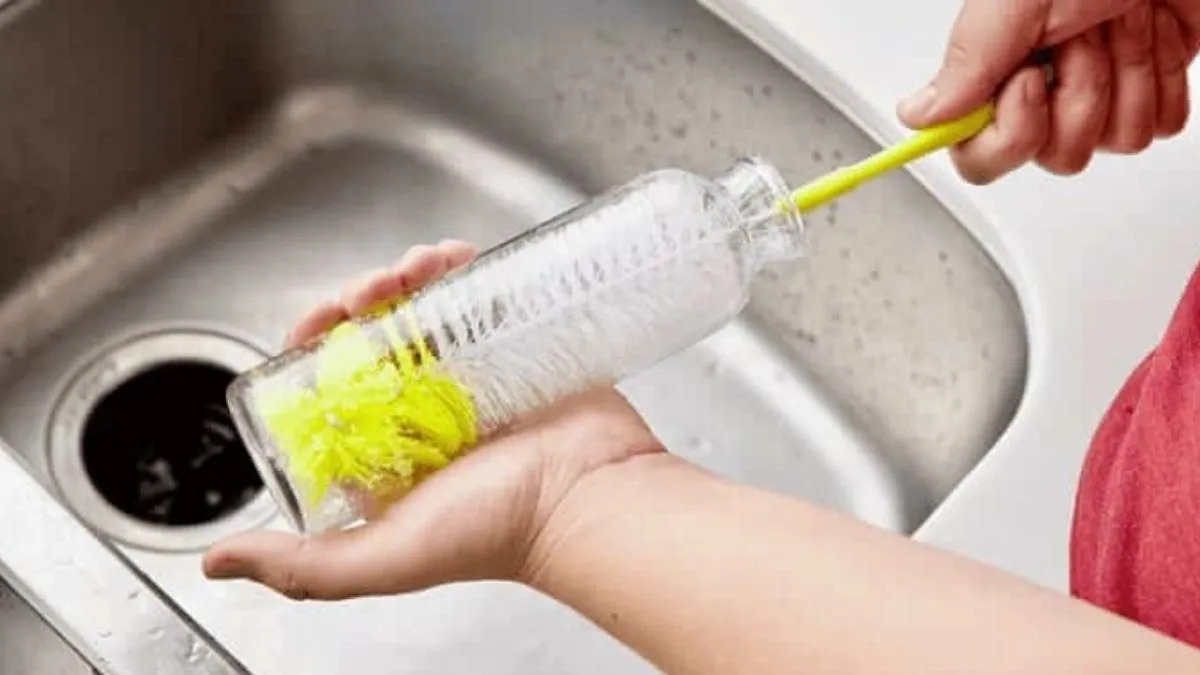
- Scrub inside with a bottle brush and a straw brush.
- Rinse well so no soap remains.
- Air dry fully with the lid off. Never seal a damp bottle.
Weekly deep clean: Soak the parts for about 30 minutes in warm water with white vinegar, or in water with baking soda. Then scrub and rinse. Check the care label first, since some bottles are not dishwasher safe.
Signs Your Water Bottle Needs Cleaning Right Away![germs in water bottle]() germs in water bottle
 germs in water bottle
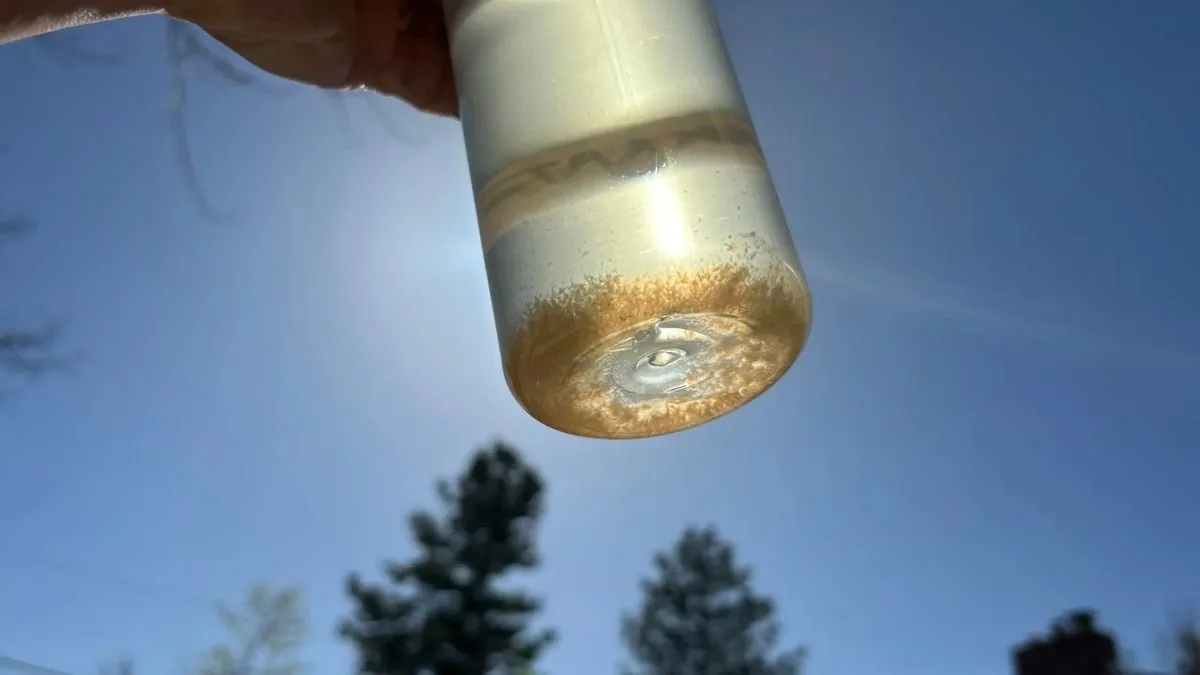
- A musty or sour smell
- A slimy feel inside
- Cloudy water or a strange taste
- Black, pink or green spots, which can be mould or bacteria
- A stained lid or seal
Who Should Be Extra Careful About Water Bottle Hygiene?
- Children, older adults and pregnant women
- People with weak immunity
- People who use bottles at the gym, outdoors or while travelling
- Anyone who shares a bottle. Do not share bottles. It spreads germs.
Other Habits to Prevent Germ Build-Up in Your Water Bottle
- Refill with fresh water. Do not top up old water.
- Do not leave water sitting for days.
- Avoid leaving bottles in hot cars.
- Replace cracked or scratched bottles, seals or straws, and any that smell even after cleaning.
- Keep two bottles, so one can dry while you use the other.
When to See a Doctor
See a doctor if you have repeated stomach upsets, diarrhoea, vomiting or fever, and you suspect contaminated water. Seek care sooner for children and older adults.
ALSO READ- How Many Glasses of Warm Water Should You Actually Drink in Winter?
Conclusion
Wash your bottle daily, deep clean it weekly and let it dry fully. Pay special attention to the lid, straw and seal. Rinsing with water is not enough to remove the slimy layer that builds up inside. A few minutes of care is a simple way to protect your health.
FAQ
1. Is It Safe to Use Bleach to Clean a Reusable Water Bottle?
Soap, warm water and a weekly vinegar or baking soda soak are enough for most bottles. Avoid bleach unless the maker’s care label allows it. Never mix bleach with other cleaners, and rinse very well.2. Do Water Bottle Filters and Infusers Need Cleaning Too?
Yes. Anything that touches your water can trap residue and germs. Take these parts out and wash them with the bottle. Follow the maker’s instructions, and replace filters on time.
All possible measures have been taken to ensure accuracy, reliability, timeliness and authenticity of the information; however Onlymyhealth.com does not take any liability for the same. Using any information provided by the website is solely at the viewers’ discretion. In case of any medical exigencies/ persistent health issues, we advise you to seek a qualified medical practitioner before putting to use any advice/tips given by our team or any third party in form of answers/comments on the above mentioned website.
How we keep this article up to date:
We work with experts and keep a close eye on the latest in health and wellness. Whenever there is a new research or helpful information, we update our articles with accurate and useful advice.
-
Current Version
Oct 22, 2026 17:33 IST
Modified By : Vivek Kumar Oct 22, 2026 17:33 IST
Published By : Vivek Kumar
Reviewed By : Prof Dr S M Fayaz