


Former Little Mix star Jesy Nelson and partner Zion Foster welcomed twins Kai and Everleigh in January 2026. However, joy turned to worry when the singer revealed that both girls have been diagnosed with Spinal Muscular Atrophy (SMA) Type 1, a rare and severe genetic disorder. After a premature birth at 31 weeks in May 2025 and months of gruelling hospital visits, the diagnosis has turned Jesy’s world "360 degrees."
Table of Content:-
To help the public understand this complex genetic condition, Dr Rajul Aggarwal, Director of Neurology at Sri Balaji Action Medical Institute in Delhi, explained that SMA Type 1 is an aggressive neuromuscular disorder.
"Grieving a Life": Jesy Nelson’s Emotional Reveal
View this post on Instagram
In a tearful Instagram video, Jesy opened up about the reality of being a caregiver to infants with such high medical needs. She admitted to "grieving the life I thought I was going to have," as she now manages breathing machines and constant medical monitoring.
Jesy shared that the diagnosis came after her mother noticed the twins weren't moving their legs as much as expected. While doctors initially attributed the delay to their premature birth, the symptoms persisted. Jesy is now using her platform to urge other parents to "trust their gut" and seek immediate help if they notice signs of muscle floppiness, as early intervention is the only way to save a child's life in these cases.
ALSO READ- Ant-Man Star Evangeline Lilly Reveals "Severe" Brain Damage Months After Fainting Accident
What Is SMA Type 1? A Doctor Explains
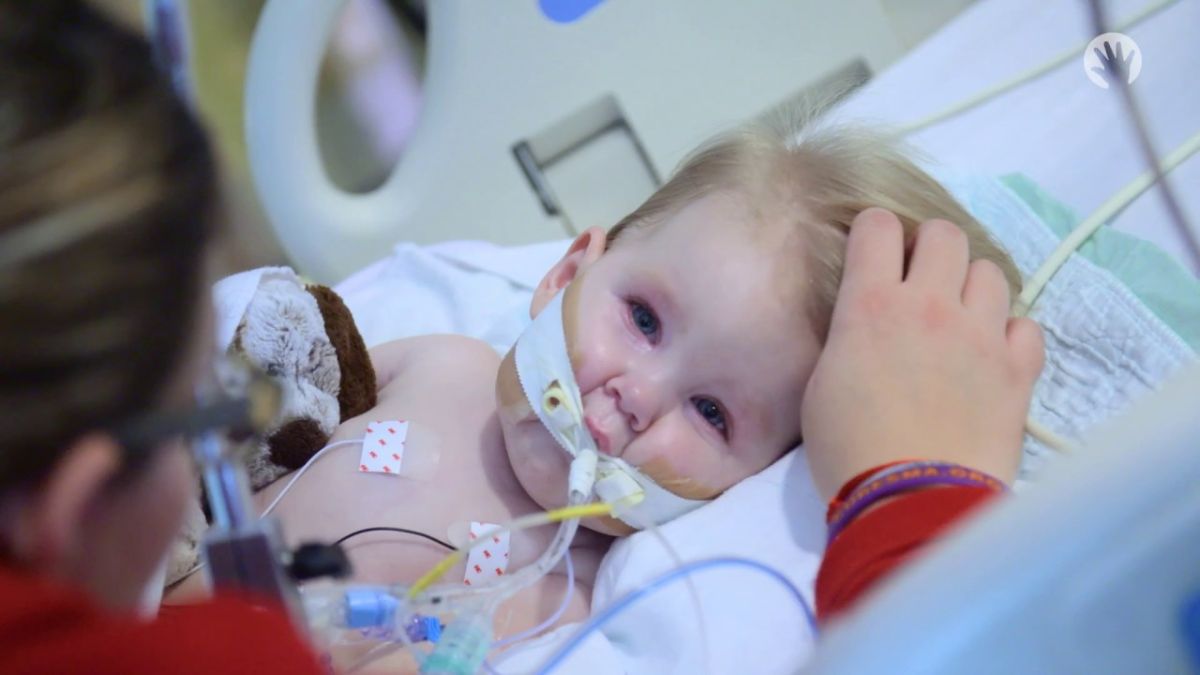
To help people better understand the condition, Dr Rajul Aggarwal explains, “Spinal Muscular Atrophy (SMA) Type 1, also known as Werdnig–Hoffman disease, is the most severe form of SMA and is a genetic neuromuscular disorder caused by deletion or mutation of the SMN1 gene. This results in critically low levels of survival motor neuron (SMN) protein. Consequently, there is degeneration of lower motor neurons in the anterior horn cells of the spinal cord, leading to severe muscle weakness, hypotonia, and progressive respiratory failure beginning in early infancy.”
In simple terms, SMA Type 1 affects the nerves that control muscles. Without enough SMN protein, muscles gradually become weaker.
Why Is SMA Type 1 Considered the Most Severe?
Dr Aggarwal explains, “SMA Type 1 is the most severe form because affected infants have little to no functional SMN1 gene activity and usually only one or two copies of the SMN2 gene, which produces insufficient compensatory SMN protein.”
Because the body cannot make enough of the protein needed to keep motor neurons alive, muscle weakness progresses quickly. This includes muscles needed for breathing and swallowing, which makes the condition life-threatening if untreated.
When Do Symptoms Start in Babies?
Symptoms usually appear very early in life. “Clinical symptoms typically appear within the first six months of life and may be evident as early as birth to three months,” says Dr Aggarwal.
Common early signs include:
- Very low muscle tone, often called “floppy baby syndrome”
- Weak cry
- Trouble feeding or swallowing
- Poor head control
- Shallow or unusual breathing patterns
- Cognitive development is usually normal. The condition mainly affects muscle strength.
Why Can’t Babies With SMA Type 1 Sit or Hold Their Head Up?
This is one of the most visible signs of SMA Type 1. “Infants with SMA Type 1 have insufficient SMN protein to sustain lower motor neuron survival,” explains Dr Aggarwal.
Because the nerve signals to muscles are disrupted, muscles cannot develop the strength needed for basic movements like holding the head up or sitting independently, even though the brain itself is unaffected.
Survival Timeline and How It’s Changing

- In the past, SMA Type 1 had a very poor outlook.
- “Historically, untreated SMA Type 1 resulted in death or permanent ventilator dependence by 18–24 months of age,” Dr Aggarwal notes.
- Today, things are changing. Early diagnosis, better respiratory care, and modern treatments have significantly improved survival and quality of life. Babies treated early often reach milestones that were once thought impossible.
Are There Treatments or Preventive Options?
Yes. Treatment options have expanded rapidly in recent years. “Disease-modifying treatments include SMN-enhancing therapies such as antisense oligonucleotides, gene replacement therapy, and small-molecule splicing modifiers,” says Dr Aggarwal.
Early treatment works best, especially when started before symptoms appear. Genetic carrier screening and newborn screening programs also play a key role in prevention and early care.
A study published in The New England Journal of Medicine showed that early treatment with SMN-enhancing therapies significantly improves survival and motor outcomes in infants with SMA Type 1. Babies treated before symptoms appeared were more likely to sit, eat independently, and breathe without permanent ventilation.
ALSO READ- Bret Hanna-Shuford, Broadway Actor, Seen in ‘Wicked’, Dies Due To An Aggressive Form of Lymphoma
Conclusion
The journey ahead for Jesy Nelson and her twins, Ocean and Story, will undoubtedly be challenging, but the singer remains hopeful that her girls will "defy the odds." Her transparency is bringing much-needed attention to a rare condition where every day counts.
How we keep this article up to date:
We work with experts and keep a close eye on the latest in health and wellness. Whenever there is a new research or helpful information, we update our articles with accurate and useful advice.
Current Version
Jan 05, 2026 12:04 IST
Published By : Vivek Kumar