


Parents love playful moments with their toddlers. Lifting them, swinging them gently, or making them laugh with sudden movements often becomes a part of everyday bonding. But quick tosses or wild lifts? They can turn risky fast for little necks and brains. A viral clip from the Knicks' December 7, 2025, win over the Magic has folks chatting. Josh Hart handed off his 2-year-old son Haze to teammate Mitchell Robinson mid-game. Cute chaos or close call?
Table of Content:-
To understand what parents should and shouldn’t do while playing with young kids, we reached out to Dr Manish Arya, Consultant, PICU, Kokilaben Dhirubhai Ambani Hospital, Mumbai, who shared important insights.
What Exactly Happened?
Josh Hart casually passing his kid off to Mitchell Robinson 😂💀
— LVLupProps (@LVLupProps) December 7, 2025
pic.twitter.com/gzzf3brgiW
During a recent New York Knicks game, Josh Hart stepped off the court to greet his family. As the game resumed, he realised he had to get back in immediately. In a split-second, light-hearted moment, he gently tossed his toddler toward teammate Mitchell Robinson, who safely caught him.
The moment was harmless and handled smoothly, but it sparked a larger conversation online about safe play and how quickly such actions can go wrong if not done properly.
What Experts Say About Safe Play With Babies
Dr Manish Arya explains that physical interactions with children are important — but only when done with care.
Here are the key points he shared:
- “Physical interactions with children is beneficial provided it is with due diligence. It is common to see babies laughing when lifted suddenly or held upside down. However, though this seems harmless, certain precautions are essential to prevent injury.”
- Babies often giggle when they’re lifted suddenly. According to Dr. Arya, this happens partly because the vestibular system, which controls balance and spatial awareness, gets stimulated.
- “The vestibular system gets stimulated with change in position. A gentle stimulation may aid sensory development if done appropriately.”
ALSO READ- Can Fetal Ultrasound Harm the Baby? Expert Tells
Why Supporting the Head and Neck Is Critical![]()
-1734341889155.jpg)
Not all babies have strong neck muscles. “Babies who have not yet achieved good head control need to be lifted with caution. Young infant neck muscle are not strong enough to hold the head, making them at risk of cervical spine injury if not supported properly.”
Risks Parents Often Don’t Realise
Improper handling comes with several dangers. Dr. Arya warns, “Improper handling increases risk of accidental falls, aspiration in infants prone to reflux or spine injuries. Rapid or jerky movements can cause rotational forces on the brain, increasing the risk of intracranial bleeding or shaken baby syndrome (SBS)."
He adds a very clear rule, “Child should never be lifted by holding their legs. There should not be swinging or shaking movements when child is being held upside down.”
How Parents Can Sense When Play Becomes Unsafe
Children give cues when they’re uncomfortable or overstimulated. “Parents can sense if the play is risky… Crying, sudden irritability, pallor, breath-holding, or fear may indicate overstimulation. Parents should watch for such reaction and stop immediately.”
Safer Ways to Play With Babies![]()
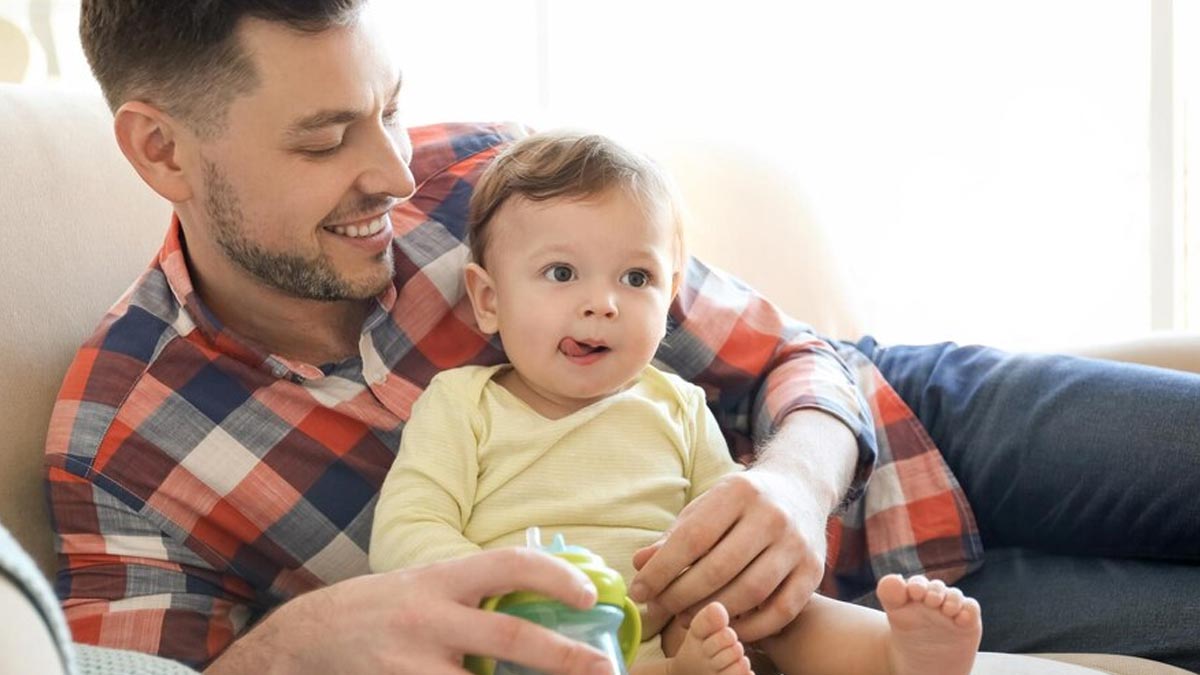
Dr. Arya encourages physical bonding but with safer methods. “Physical play is no doubt beneficial. There are many safer ways to play depending on the child’s age such as holding the baby close with gentle rocking or games like peek-a-boo, leg cycling, pillow fighting.”
When to Seek Medical Care
If a child shows unusual symptoms after any physical play, parents must act quickly. “Seek immediate evaluation if the child becomes unusually sleepy, vomits, refuses feeds, cries when touched, or shows bruising, limping, or loss of responsiveness — these could indicate trauma or neurological injury.”
Conclusion
Josh Hart’s moment with his son was light, controlled, and handled safely, especially with a teammate ready to catch the toddler. But not every situation is as predictable. As Dr. Manish Arya explains, even harmless-looking play can become risky if it involves sudden movements, unsupported head and neck positions, or rough handling. Gentle, age-appropriate play is always the safest path, and knowing a child’s limits is key to keeping them happy and safe.
Also watch this video
Read Next
Baby-Led Weaning Vs. Traditional Weaning: Which Better Supports Balanced Nutrition And Health?
How we keep this article up to date:
We work with experts and keep a close eye on the latest in health and wellness. Whenever there is a new research or helpful information, we update our articles with accurate and useful advice.
Current Version
Dec 10, 2025 14:18 IST
Published By : Vivek Kumar