

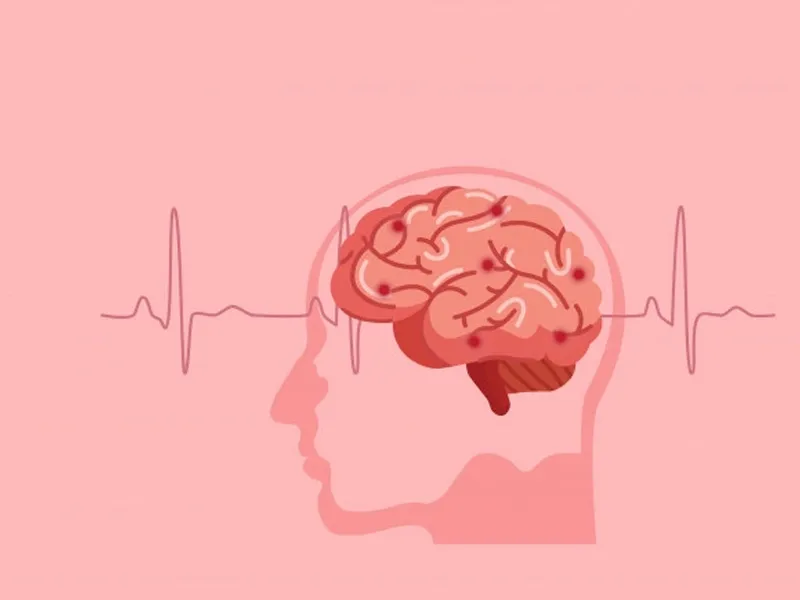
Winter is most commonly linked with various kinds of seasonal diseases such as common cold, influenza, joint pains, and tiredness. However, there is one life-threatening situation quietly on an upswing with the advent of colder weather. This is a stroke or brain attack. Early brain attacks or strokes in winter are quite life-threatening because they are often misinterpreted, overlooked, or even mistaken for just another side effect of cold weather itself. Hence, they are known as the silent winter strokes.
Table of Content:-
In an exclusive interaction with the editorial team of Onlymyhealth, our expert, Dr Nishtha Jain, Consultant, Department of Neurology, CK Birla Hospitals, Jaipur, explained to us that cold weather brings changes in the body and can increase the possibility of stroke. “It can affect the body in ways which can increase the risk of stroke. The blood vessels constrict so that the body is protected from the cold, blood pressure can increase, and blood can become thick, which can increase the chances of blood clots forming.” Read ahead to know everything she shared with us.
How Winter Increases Brain Attack Risk
During winter, the body works harder to maintain its core temperature. The blood vessels constrict to keep warm, which tends to increase the blood pressure because less space means higher pressure inside the vessels. The additional burden on blood vessels may increase the formation of clots especially in someone with health problems.
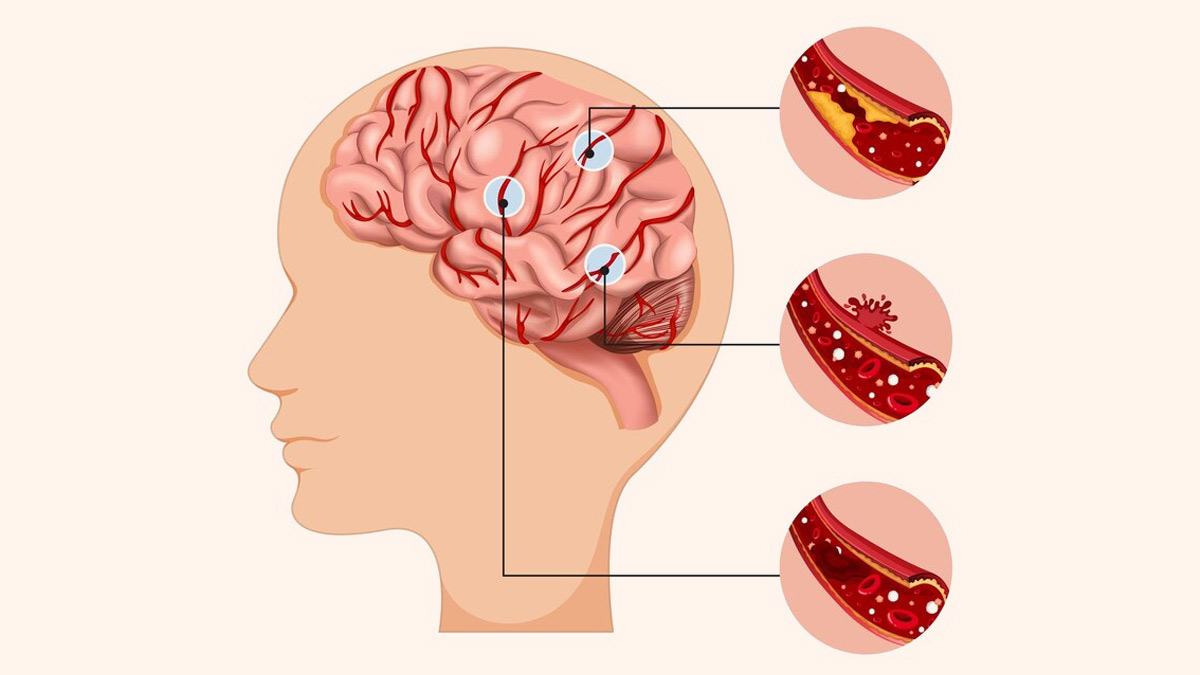
Moreover, people are generally less physically active during the winter months, consume less water, and eat more sedentary and salt-saturated foods. Being dehydrated and physically inactive can further increase blood thickness, leading to the formation of blood clots. Overall, these factors create the perfect scenario for a stroke to occur.
Why Brain Attack Symptoms Are Overlooked in Winter
“It is often easy for people to ignore these symptoms. If a patient is experiencing numbness or weakness in their face, arm, or leg, as well as slurred speech, blurred vision, confusion, or a sudden headache, these need to be alarming signals for a patient or their family members,” Dr Jain emphasised.
Pain, lightheadedness, stiffness, and confusion are commonly associated with low temperatures, low sunlight, and poor sleep. However, the delay in the identification of warning symptoms of a brain stroke can be deadly. “In stroke treatment, minutes are of paramount importance. Delay can cause permanent brain damage,” she added.
Who is at Higher Risk of Brain Attack?
Even though strokes are possible among all individuals, some groups are more prone during winter. “Patients suffering from high blood pressure, diabetes, cardiac disease, or those who have already suffered a stroke need to take greatest care during winter,” Dr Jain pointed out.
Additionally, elderly people, smokers, and those who ignore their daily medication or health check-ups during winter, are also at risk.
ALSO READ- Numbness On One Side Of The Body To Difficulty Speaking, Neurological Signs To Spot Stroke Early
How The FAST Technique May Help Save Lives
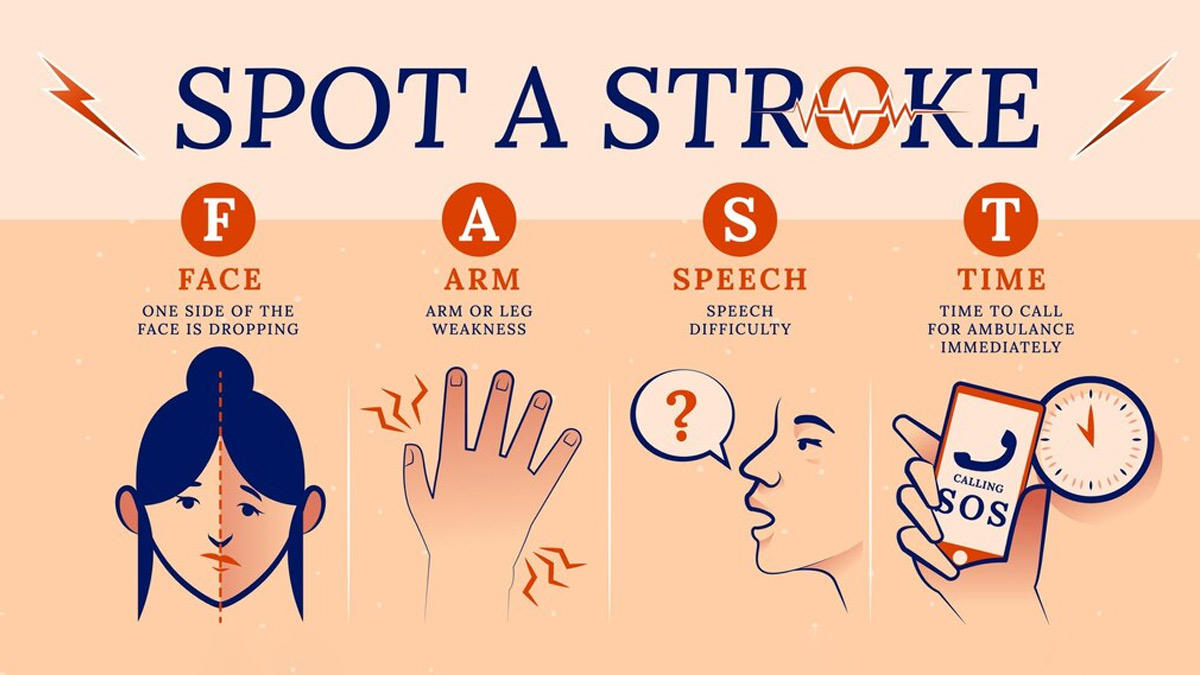
Dr Jain advised to recall the FAST technique to quickly detect a stroke. This stands for:
- F: Face drooping: One side of the face may droop or feel numb.
- A: Arm weakness: Inability to raise one arm or sudden weakness.
- S: Speech difficulty: Slurred or unclear speech.
- T: Time: Call emergency services immediately.
"Delaying seeking medical aid may be life threatening because, for strokes, every minute really matters," said Dr Jain.
Are Brain Attacks Preventable?
Strokes in winter are often called silent not because they are rare, but because their early signs are masked by seasonal factors. Staying warm, being physically active inside, controlling blood and sugar pressures, staying hydrated, and keeping the prescribed medicines on course are easy and effective ways to prevent this condition.
“Awareness and early action are of utmost importance. People who suffer any sudden neurologic changes should seek help immediately, they should not wait out an episode,” Dr Jain concluded. Early intervention and adequate attention can really help mitigate the effects of strokes during the winter months.
Bottomline
Winter strokes are often missed due to subtle symptoms and seasonal excuses, but experts highlight that early recognition and fast medical action can save lives and prevent long-term disability.
Also watch this video
FAQ
1. Do strokes occur more often during winter?
Yes, stroke risk is likely to be heightened during winter because of increased blood pressure, blood viscosity, and decreased activity.2. Could symptoms of a stroke be mild?
Yes. Even if it's slight numbness, confusion, or speech difficulties, it can be a warning symptom and shouldn’t be neglected.3. What to do if a stroke is suspected during winter?
Use the FAST technique to identify and go to emergency care right away. Experts emphasise to not wait until symptoms subside.
How we keep this article up to date:
We work with experts and keep a close eye on the latest in health and wellness. Whenever there is a new research or helpful information, we update our articles with accurate and useful advice.
Current Version
Jan 04, 2026 18:30 IST
Published By : Tanya Srivastava