
Do you experience a sudden wave of sadness right after sex? Do you feel irritable post the sexual encounter, even if it was consensual and satisfying? If you answered ‘yes’ to all these questions, then you might be experiencing postcoital dysphoria (PCD). Also called post-sex blues, this is a sudden wave of sadness, anxiety, or irritability right after consensual sexual activity or orgasm.
To understand what postcoital dysphoria is from an expert lens, we interacted with Dr Neeharika Jaiswal, Consultant Psychiatrist, Metro Hospital and Heart Institute, Noida.
What is Postcoital Dysphoria?
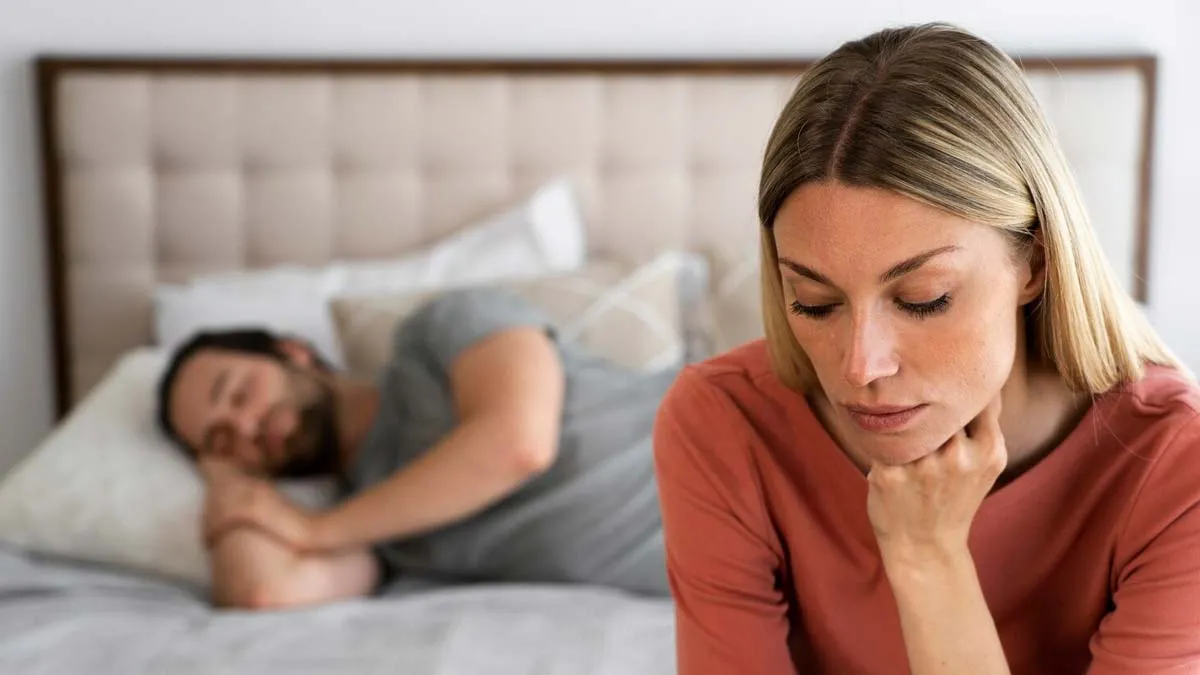
Let us first understand what postcoital dysphoria (PCD) actually is. Dr Jaiswal answers, “It refers to feelings of deep sadness or agitation after sex. This can happen even if the encounter was loving, satisfying, or enjoyable. In certain instances, people may become tearful or depressed after orgasm. Some others may feel overwhelmed and get into an argument with their partner. The situation can be difficult for both members of a couple.”
The expert further explains, “Those with postcoital dysphoria may not know why they feel this way after intimacy, or they might have trouble explaining it. Their partners may often wonder if a deeper issue is at play and blame themselves for this emotional response after sex.”
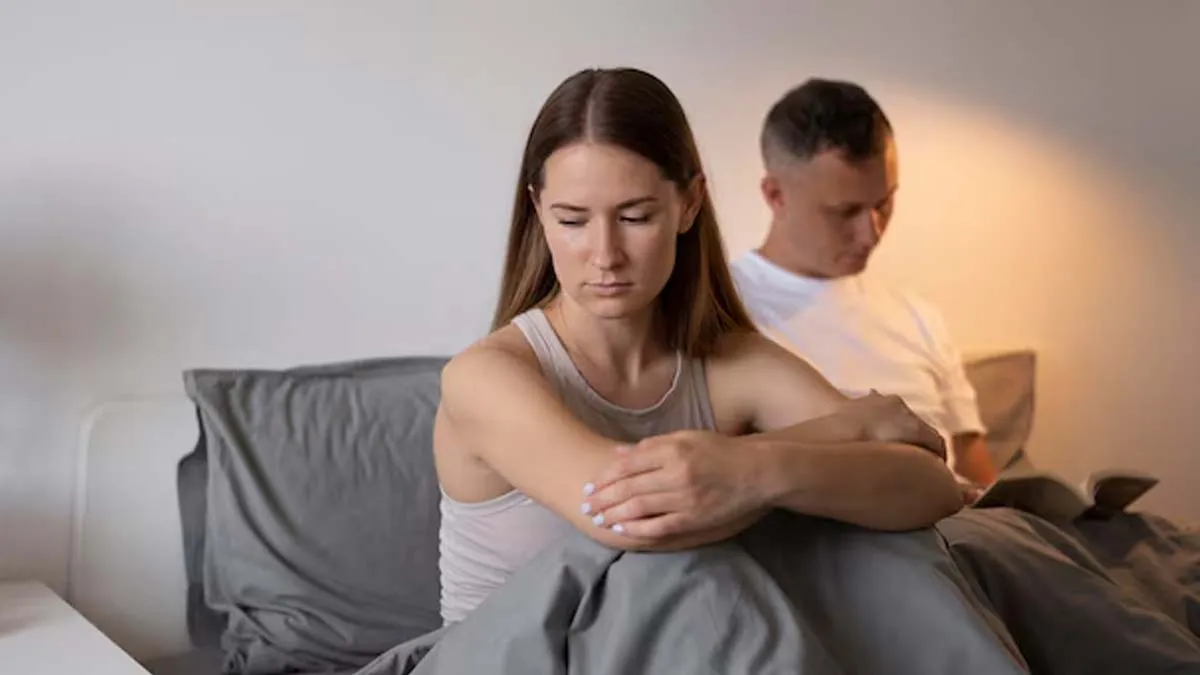
So does the quality of your intimacy in a relationship affect postcoital dysphoria? Dr Jaiswal says. “Intimacy and close relationships are not a factor in PCD. As per studies, there is no link between the two. Despite the misconception, postcoital dysphoria is not associated with a lack of intimacy; it is also not affected by how close your relationship is. You may be in a healthy, intimate relationship but still feel sad, anxious, or depressed after sex.”
 sex blues 1
Symptoms of Postcoital Dysphoria
Dr Jaiswal says that some of the symptoms of postcoital dysphoria may include:
- Sadness or depressive feelings, including crying.
- Feeling irritated after sex.
- Feeling anxious or panicky after sex.
- Feeling agitated and angry after sex.
- Feeling confused and ashamed of these difficult feelings.
- Blaming yourself for your negative response to sex.
- Feeling exhausted and emotionally spent.
 sex blues 2
Causes of Postcoital Dysphoria
Dr Jaiswal says that there are certain multiple factors that may lead to postcoital dysphoria:
- Abuse: Having a history of childhood sexual abuse may put someone at more at risk for PCD.
- Anxiety: Childhood trauma may cause anxiety and depression. These mental health conditions are linked to feelings of sadness or cause lead to intimacy issues.
- Resentment: Those who have a history of abuse, they may be more resentful about sex or sexual experiences.
- Postnatal depression: Hormonal fluctuations can cause postnatal depression. Also known as postpartum depression, some women go through this shortly after a woman gives birth. Depression can make them feel sad even after enjoyable sex.
Who is More At Risk For Postcoital Dysphoria
Dr Jaiswal shares that there are certain factors that decide which individuals are more at risk for PCD:
- Gender Differences: Studies note that women may be more likely to experience postcoital dysphoria, as compared to men. However, this does not mean men are completely excluded from the possibility of experiencing it.
- Younger Individuals: Young age groups may experience PCD more, possibly due to emotional and hormonal fluctuations, which are typical during early adulthood.
- Trauma Survivors: Individuals with a history of sexual trauma, abuse, or other emotions are believed to be at an increased risk of experiencing PCD.
- Relationship Dynamics: Those in less emotionally satisfying or stable relationships may be more prone to PCD.
- Cultural and Religious Factors: Cultural or religious backgrounds that place a strong emphasis on sexual purity or carry strong taboos related to sex and emotions may put individuals at more risk for PCD.
 sex blues 3
What Study Says About Postcoital Dysphoria
A 2025 study, published in the European Psychiatry journal, examined what postcoital dysphoria is. It noted that it is a distressing psychological phenomenon where individuals experience intense feelings of sadness, anxiety, or tearfulness right following consensual and satisfying sex.
The researchers discovered that while PCD was historically thought to primarily affect women, a surprising number of men also often experience these sudden emotional drops after intimacy. The study focuses that these negative feelings are often highly confusing for both the partners. This is because they can occur even in loving, healthy relationships, where the sex was thoroughly enjoyed.
To understand the root causes of PCD, the study explored how massive shifts in brain chemicals and hormones (especially the sudden drop in dopamine and oxytocin after orgasm) can trigger this temporary emotional reaction. Apart from hormones, the findings discovered a strong link between PCD and a history of psychological distress. It noted that individuals with past sexual trauma or underlying anxiety are also at a significantly higher risk.
The study heavily focused on the importance of open, non-judgmental communication between partners, instead of pulling away in shame or guilt. This can help them manage these difficult episodes. Simple aftercare practices, like cuddling, verbal reassurance, or taking a few moments to quietly ground oneself, can help reduce the intensity of this dysphoria. The research concluded that PCD is a common and valid human experience, but those who regularly suffer from severe post-sex blues should seek professional help.
Tips to Deal With Postcoital Dysphoria
Dr Jaiswal shares some effective ways to deal with PCD:
- Accept Your Emotions: Emotions, no matter how hurtful, are temporary. So it is important to learn to accept them without judgment or resistance.
- Explore Your Feelings: To cope with postcoital dysphoria, it is important to understand its source and assess why it is happening.
- Journaling: Keeping a journal can help you track your emotions, experiences and understand whether any patterns are present.
- Practice Mindfulness: Practicing mindfulness such as meditation and grounding techniques can help you process your emotions fully.
- Post-Sex Self-Care: This can help ease some of the intensity of your feelings. You can engage in activities such as taking a warm bath after sex, listening to soothing music, using essential oils, or getting a massage.
“If you experience PCD frequently, then it may be time to seek medical help. Visit a therapist when the symptoms significantly affect your sex life and overall quality of life,” concludes Dr Jaiswal.
ALSO READ- Doomscrolling Before Bed? Psychiatrist Explains If It Causes Morning Anxiety
Conclusion
Experiencing sudden sadness or irritability after an enjoyable sexual encounter can be extremely confusing. But postcoital dysphoria is a valid emotional response. This does not reflect the quality of your relationship. By understanding your personal triggers, whether they are caused by past trauma, underlying anxiety, or hormonal shifts, and practicing mindful post-sex self-care, you can navigate such challenging emotions. However, if these feelings regularly disrupt your intimacy or overall well-being, seek help from a medical expert.
FAQ
How is postcoital dysphoria diagnosed?
There is no official lab test or standard diagnostic criteria for PCD.How to know if you have postcoital dysphoria?
You know you have postcoital dysphoria if you feel sudden, unwanted negative emotions right after consensual, enjoyable sex.
All possible measures have been taken to ensure accuracy, reliability, timeliness and authenticity of the information; however Onlymyhealth.com does not take any liability for the same. Using any information provided by the website is solely at the viewers’ discretion. In case of any medical exigencies/ persistent health issues, we advise you to seek a qualified medical practitioner before putting to use any advice/tips given by our team or any third party in form of answers/comments on the above mentioned website.
How we keep this article up to date:
We work with experts and keep a close eye on the latest in health and wellness. Whenever there is a new research or helpful information, we update our articles with accurate and useful advice.
-
Current Version
Sep 03, 2026 16:05 IST
Published By : Shruti Das
Reviewed By : Dr Neeharika Jaiswal