-1790924474618_m.webp)
Working out regularly but eating very little may seem like a quick way to lose weight. However, the body still has a need for adequate fuel to sustain activity, muscle recovery, and maintain vital processes. If exercise levels increase and food consumption does not keep up, it can begin to become noticeable in daily life.
You might be feeling fatigue, you might not be able to do your normal exercise or it will take longer. If you are consistently under fed and under fed while exercising, it can impact more than your weight, particularly if this is a pattern over weeks or months.
Why Working Out Without Enough Food Makes You Tired?
Veena V, Head of the Department of Clinical Nutrition and Dietetics, Aster Whitefield Hospital, Bangalore explains, “Exercising regularly while under eating puts the body in a state of energy deficit it isn't equipped to sustain long term. Rather than improving fitness results, this combination often backfires, affecting performance, recovery, and overall health.”

Exercise uses energy. If you're not consuming adequate calories to replace them, there aren't as many calories available for training and recovery.
Initially, the symptoms may be easy to overlook:
- Stronger than usual fatigue while exercising
- Fainting or becoming lightheaded/weak
- It's harder to get to your normal exercise routine.Regular exercise is more difficult.
- Eating more frequently than usual.
- Taking longer to recover
- Struggling with concentration
Veena says, “Energy levels drop noticeably, making workouts feel harder than they should, even at a familiar intensity.” This is different from feeling tired after a particularly hard workout. The concern is when tiredness becomes a regular pattern.
7 Signs You Are Not Eating Enough For Your Workout
Your body may give you clues that your food intake is not keeping up with your training.

Veena advised to look out for:
- Constant tiredness, even after sleeping.
- Declining workout performance, despite training regularly.
- Slow recovery after exercise.
- Repeated injuries or minor strains.
- Mood changes, irritability or difficulty concentrating.
- Persistent hunger or unusual changes in appetite.
- Irregular or missed periods in women.
Veena adds that “frequent injuries or prolonged recovery time from minor strains” can also be a sign that the body is not getting enough support.
A Sports Med analysis analysed the effects of low energy availability and relative energy deficiency (RED) in athletes. Researchers found that not eating enough calories to match exercise places heavy physical strain on the body. This calorie deficit disrupts basic body functions, drops performance, and raises injury risks. The researchers stress that early screening and fixing your diet quickly are crucial to prevent long-term damage.
ALSO READ- Skipping Breakfast But Eating More At Night? How It May Affect Your Diet
Can Exercising While Undereating Cause Muscle Loss?
It can. “Exercise, particularly strength training, gives the body a reason to maintain and build muscle. But muscles also need enough energy and protein to repair themselves,” explains Veena.
If calorie intake remains very low, the body has to adapt. In some cases, muscle tissue can be broken down for energy. This can make it harder to gain strength even when you are training consistently.
So, simply increasing workouts while cutting food further is not necessarily going to produce better results.
How Eating Too Little Affects Hormones, Periods And Bone Health
The effects can go beyond muscles. Long-term low energy availability can affect hormones, bone health and reproductive function. The International Olympic Committee's 2023 consensus on Relative Energy Deficiency in Sport, or REDs, links inadequate energy availability with problems involving reproductive function, bone health, immunity and metabolism.
For women, one of the clearest warning signs can be a change in the menstrual cycle.
Veena explains, “Hormonal balance can be disrupted, including stress hormones rising and reproductive hormones being affected, which in women can lead to irregular or missed periods.”
Bone health can also suffer if the problem continues. This is particularly important for people doing high volumes of exercise.
How Much Should You Eat If You Exercise Regularly?
The calorie goal is not fixed and is different for each person. It depends on your size, age, training level, how active you are during the day, and your objective.
There are three things to be discounted, however:
- Takes in protein for muscle repair and recovery.
- For training, choose carbohydrates that are good for fueling your training and for building glycogen stores.
- Healthy fats as energy and normal hormonal function.
- Eliminating a food group will make it more difficult to get enough nutrition, even if you cut back on calories.
How To Fuel Your Body Before And After Exercise
You do not need a complicated meal plan. Before a harder or longer workout, a simple carbohydrate-rich snack can provide useful energy. A banana, toast, oats or fruit with yoghurt are easy options.
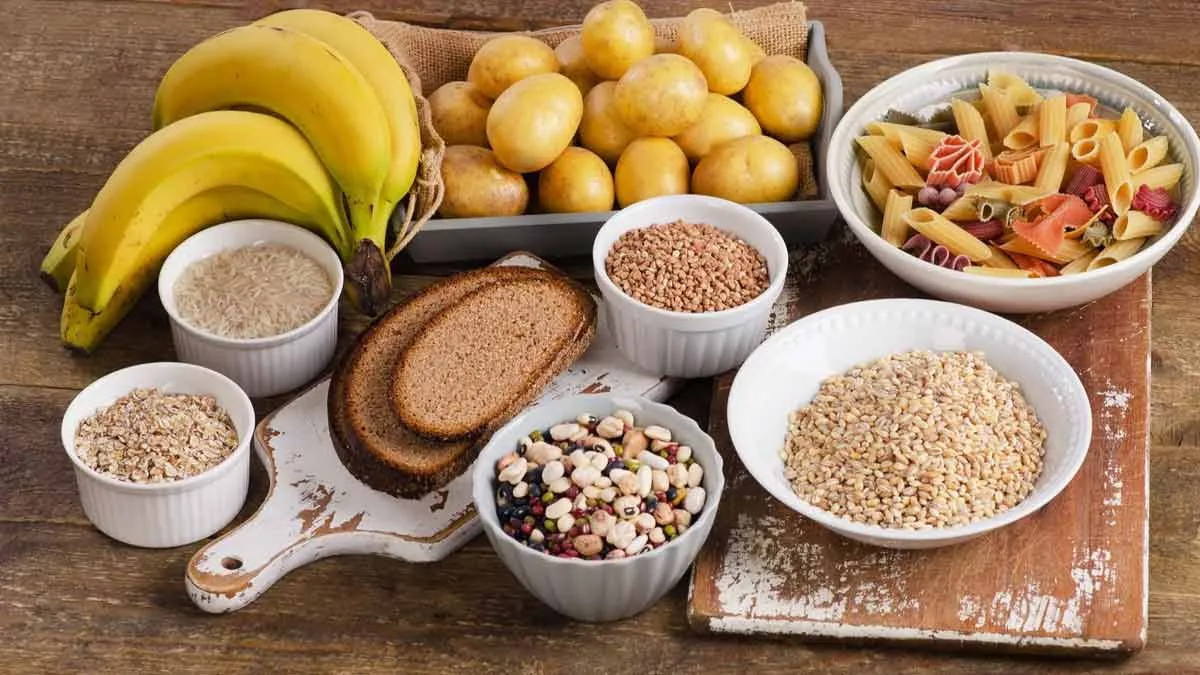
After training, combine protein with carbohydrates. For example:
- Eggs with toast
- Paneer with rice
- Curd with fruit and oats
- Dal with rice
- Tofu with noodles or rice
Veena recommends “prioritising protein to support muscle repair and recovery alongside training” and including adequate carbohydrates because they are an important fuel source for exercise.
When Should You Get Professional Help?
Do not ignore persistent symptoms just because you are trying to get fitter or lose weight.
Speak to a doctor or dietitian if you have:
- Persistent fatigue
- Repeated injuries
- A major drop in exercise performance
- Significant or unexplained weight loss
- Irregular or missed periods
- Ongoing dizziness
- Problems recovering between workouts
If you are increasing your exercise while significantly restricting food, getting professional advice can help you create a plan that supports your goal without compromising health.
ALSO READ- Can You Gain Muscle on a Vegetarian Diet? Nutritionist Explains How Much Protein Do You Really Need
Conclusion
If you're exercising and eating less, it can seem like you're taking more action to achieve your objective. However, if the energy deficit persists, your body may begin to experience performance, recovery, and hormonal issues.
Exercise and nutrition must go hand in hand. You aren't trying to consume as little as you can, you are trying to make sure you are consuming a sufficient amount for the amount of exercise you are taking.
FAQ
Does not eating enough prevent me from gaining muscle?
Yes. Resistance training, adequate protein and total energy are required for muscle development. If you are eating too few calories consistently, it can be more difficult to gain weight and recover from this.After exercise is it normal to feel hungry?
Yes. The activity of exercise is related to greater appetite. If you are very hungry, weak or tired after training regularly, please check your diet.
All possible measures have been taken to ensure accuracy, reliability, timeliness and authenticity of the information; however Onlymyhealth.com does not take any liability for the same. Using any information provided by the website is solely at the viewers’ discretion. In case of any medical exigencies/ persistent health issues, we advise you to seek a qualified medical practitioner before putting to use any advice/tips given by our team or any third party in form of answers/comments on the above mentioned website.
How we keep this article up to date:
We work with experts and keep a close eye on the latest in health and wellness. Whenever there is a new research or helpful information, we update our articles with accurate and useful advice.
-
Current Version
Oct 02, 2026 12:34 IST
Published By : Vivek Kumar
Reviewed By : Ms Veena V