
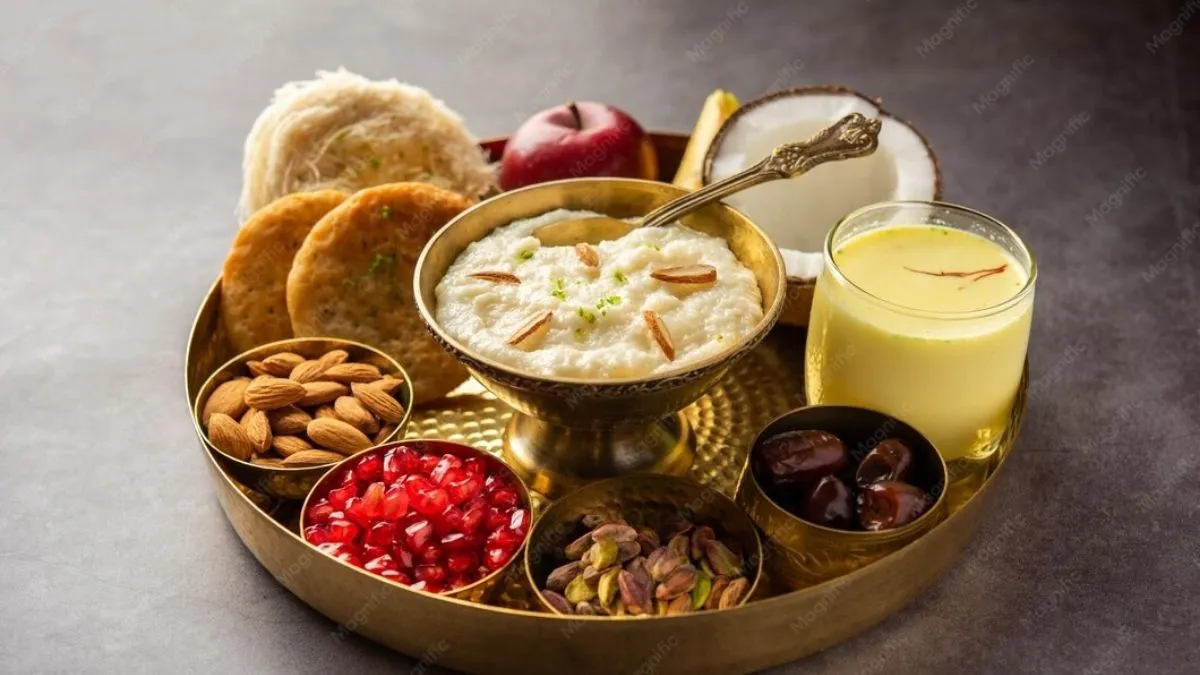
People normally switch to what they eat during navratri fasting from regular food to sabudana khichdi, kuttu roti, makhana and fruit. These foods are commonly salted with Sendha namak (rock salt) which is traditional in vrat.
It is touted online as a more health-conscious salt that can help eliminate toxins, aid digestion or weight loss. However, lesser gains come with the real value. Sendha namak may help to make a fast meal more palatable but isn't necessarily as nutritious as table salt. It's the quantity you use, your health and whether you are getting enough iodine that is more important than the type of salt you use.
What Is Sendha Namak, And Why Is It Used During Navratri?
Sendha namak is rock salt that is obtained from natural salt deposits. “It is the traditional salt of Navratri fasting, which does help in a number of ways, but not as much as social media makes it seem,” says Veena V, Head of the Department of Clinical Nutrition and Dietetics, Aster Whitefield Hospital, Bangalore. 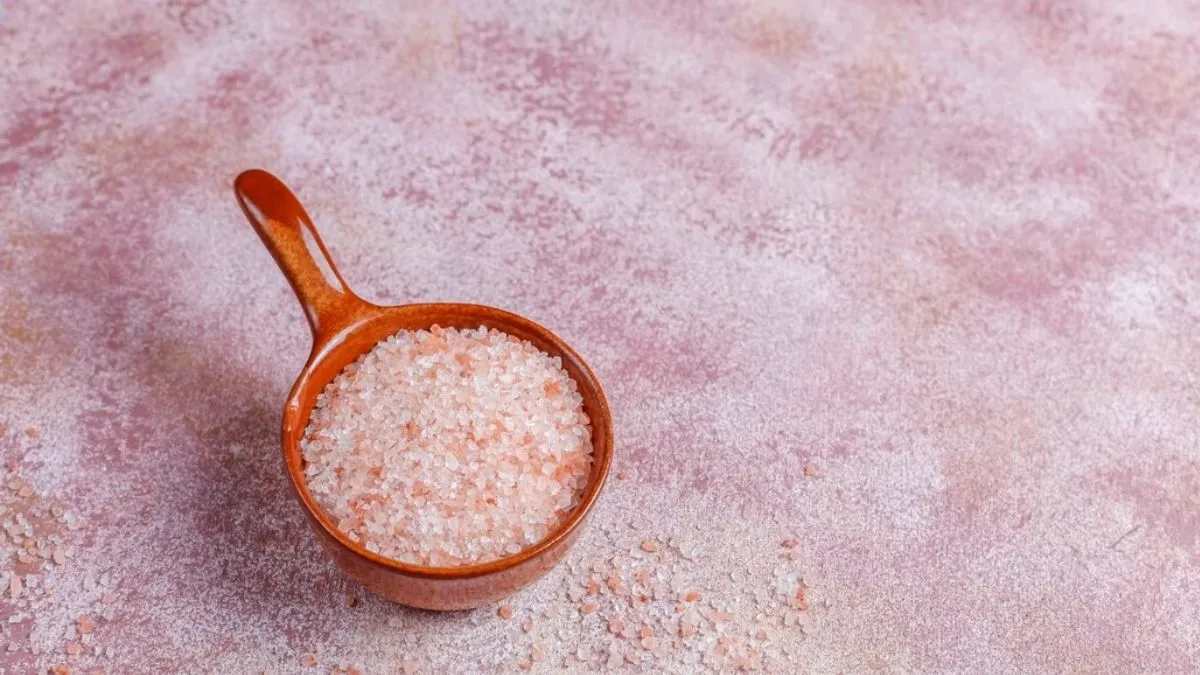 sendha namak
Its sole purpose is to make the meals taste good and ensure that sodium levels are maintained during the fasting period of nine days. Chemically, sendha namak is in the main sodium chloride, which is the essential element of table salt. May contain small amounts of other minerals depending on its source, but not a significant food source for these minerals. It also doesn't usually contain iodine.
A 2023 study published in The Journal of Nutrition analysed data from India’s Iodine Survey 2018–19 to assess household coverage of iodised salt and iodine status among women of reproductive age. The research highlights why access to adequately iodised salt remains relevant to iodine nutrition in India.
How Can Sendha Namak Help During Navratri Fasting?
It's best used as a simple addition to home-cooked fasting meals, to help stick to your usual fasting food guidelines without having to eliminate seasoning completely. Veena says that what it can offer is:
- Enhances the taste of simple dishes: A little salt in sabudana, kuttu rotis, singhare atta dishes and roasted sweet potato makes them taste nice.
- Assists you to control sodium intake: Sodium helps maintain fluid balance, nerve signals and muscle function. Salt does not always prevent dehydration or low sodium, however.
- Can assist you with choosing home-prepared food: One way to make homemade meals more tasty is to add flavor to the food, which can be a source of good salt intake, whereas packaged flavouring farali chips, chivda and namkeen can have high amounts of salt.
- People who don't eat table salt throughout the vrat can use sendha namak to add taste to foods that are allowed.
A pinch of sendha namak in buttermilk or lemon water can enhance its flavor, but replace fluids instead of sendha namak. Do not assume you have more salt if feeling weak and dizzy during a fast.
Sendha Namak Vs Table Salt: Is One Healthier?
The WHO’s 2023 report on global sodium intake highlighted that average salt consumption worldwide was far above the recommended limit. Its findings reinforce the importance of reducing total salt intake, regardless of the type used.
Feature |
Sendha Namak |
Table Salt |
Processing |
Usually less processed |
More refined |
Sodium |
High |
High |
Iodine |
Usually not iodised |
Often iodised |
Health benefits |
No proven detox or weight-loss benefits |
Provides iodine if iodised |
Best use |
Traditional fasting meals |
Everyday cooking |
Takeaway: Both contain sodium. Neither is automatically healthier. Use either in moderation, and remember that iodised salt helps meet your iodine needs.
 navratri fasting
Those who are pregnant or breastfeeding, have thyroid disorders, or stick to special diets should be especially concerned about iodine intake. If you are doing a lot of fasting, consult a doctor or dietician to find out if your diet is adequate. If you eat iodised salt, resume consumption of it during the fast.
Does Sendha Namak Detox The Body Or Help With Weight Loss?
There is no strong evidence that sendha namak detoxifies the body, burns fat or dramatically improves digestion. The body already has organs, including the liver and kidneys, that process and remove waste.
Veena V cautions against several common claims:
- “It contains 84 minerals”: It may contain trace minerals, but the amounts are too small to make it a reliable source of these nutrients.
- “It lowers blood pressure”: It still contains sodium chloride. Too much can raise blood pressure, just like ordinary salt.
- “It helps with weight loss”: Salt does not burn fat. Weight changes during fasting may reflect changes in food intake, water balance and meal patterns.
- “It improves digestion”: There is not enough strong evidence to say that sendha namak has a special digestive benefit.
- “Natural means unlimited”: Even natural rock salt needs to be used in moderation.
The takeaway is to choose it for taste and tradition, not as a health treatment.
How Much Sendha Namak Should You Have During Navratri?
Keep your total salt intake below the WHO’s recommended limit of five grams a day, unless your clinician has given you different advice. Remember that this includes salt in all meals and snacks.
During fasting, watch out for hidden sodium in:
- Packaged farali chips, chivda and namkeen
- Salted makhana and peanuts
- Ready-to-cook fasting mixes
- Pickles, chutneys and heavily salted curd-based dishes
Use a small pinch, taste your food before adding more and check nutrition labels on packaged products. Avoid assuming that homemade food is automatically low in salt if you add it repeatedly while cooking.
Who Should Be Careful With Sendha Namak?
If you have high blood pressure, kidney disease, heart failure or swelling, you need to restrict sodium consumption even more. Individual advice should also be sought if older people or people who are using diuretics or blood pressure medication decide to fast.
Individuals with diabetes should carefully plan their fasts as the timing of meals can impact both blood glucose and the use of diabetes medications. Restrictive fasting is not advised for pregnant or nursing mothers, and should be discussed with a health care provider.
Do not stop eating until medical advice is taken if any of these symptoms begin after the break of the fast, including faining, confusion, extreme weakness, prolonged vomiting, chest pain or discomfort. Shaking, sweating, and/or low energy level (hypoglycemia) should also be alerted as signs of low blood sugar in diabetes. Avoid using salt or water alone to treat serious symptoms.
Simple Ways To Make Your Navratri Fast Healthier![sendha namak navratri fasting]() sendha namak navratri fasting
sendha namak navratri fasting
 sendha namak navratri fasting
There are a few simple adjustments you can make that will make eating better even when fasting.
- Replace packaged salty snacks with roasted makhana that is a little salty (with sendha namak).
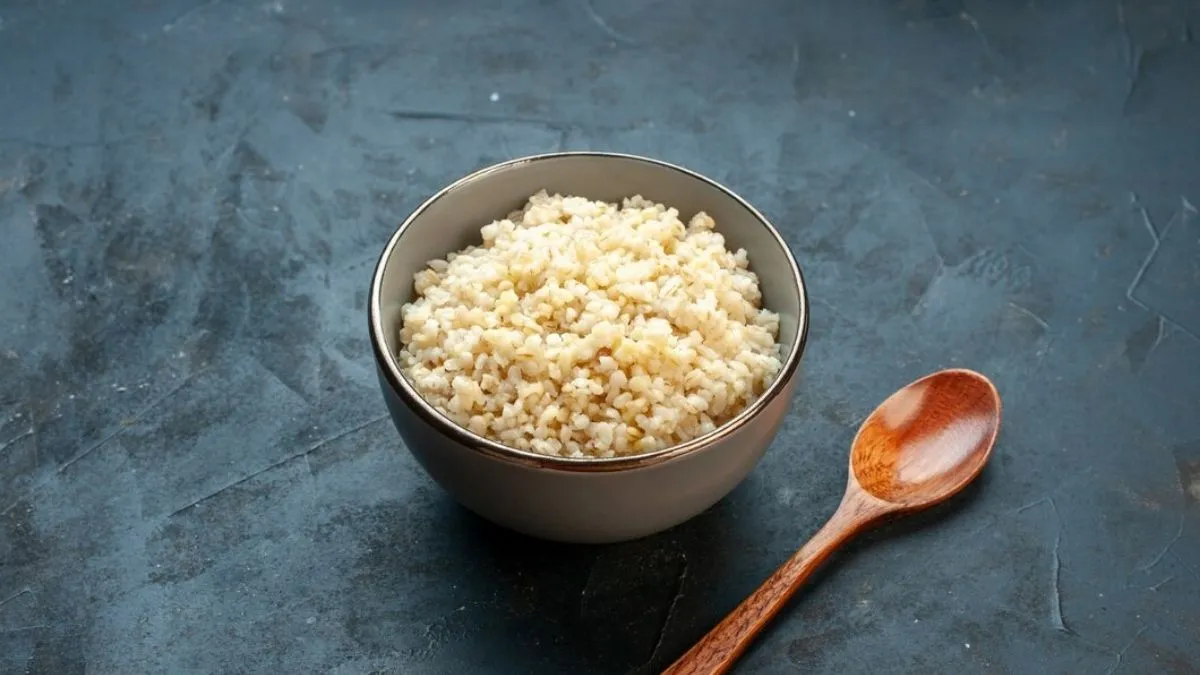
- Eat sabudana and kuttu vada more frequently as they are steamed or roasted.
- If any of these are allowed in your fasting rules, include their protein content in the form of milk, curd, paneer and nuts.
- Have water frequently, and add fruit and allowed vegetables.
- Eat meals throughout the day, rather than a single large meal, after a lengthy fast.
- Get rest if tired, and do not take other medication without medical advice.
ALSO READ- Navratri Fasting With a Health Condition? Doctor's Guide for Diabetes, High BP and Heart Patients
Conclusion
Sendha namak can make the meals during Navratri tastier and can also help you in following the rules of fasting during Navratri. Not a health benefit when compared to table salt and not a body detoxifier nor fat burner. Use sparingly; be aware of the hidden sodium; and don't forget the importance of iodine.
FAQ
Can You Use Sendha Namak In Food After Navratri?
Yes. It can be consumed post Navratri if you like its flavor or texture. If it is not iodised, however, then using it as your sole source of salt for the long term could decrease an important source of dietary iodine intake. Limit salt in the diet and ensure adequate iodine intake.Does Cooking Sendha Namak Alter Its Health Promoting Attributes?
Sendha namak is no special health food, after being cooked, and contains no less sodium. It is still used primarily for flavouring. So the quantity added and the total salt intake are more important than when you add it (before, during, or after) food is prepared.
All possible measures have been taken to ensure accuracy, reliability, timeliness and authenticity of the information; however Onlymyhealth.com does not take any liability for the same. Using any information provided by the website is solely at the viewers’ discretion. In case of any medical exigencies/ persistent health issues, we advise you to seek a qualified medical practitioner before putting to use any advice/tips given by our team or any third party in form of answers/comments on the above mentioned website.
How we keep this article up to date:
We work with experts and keep a close eye on the latest in health and wellness. Whenever there is a new research or helpful information, we update our articles with accurate and useful advice.
-
Current Version
Oct 14, 2026 16:38 IST
Published By : Vivek Kumar
Reviewed By : Ms Veena V