
When India gained independence in 1947, its population stood at close to 340 million and was growing fast. By 1964, it had climbed to around 470 million. Public health planners saw a clear problem ahead. Rapid population growth was straining food supply, healthcare, and economic planning all at once. The response became one of the most ambitious public health experiments of the era, a state-backed condom called Nirodh.
India's Early Push for Family Planning
- India took a bold step in 1952, becoming the first country in the world to launch an official, government-run family planning programme.
- But early efforts moved slowly. Condoms had technically been available in Indian markets since the 1940s, imported by private companies from the UK.
- Yet usage stayed extremely low. By 1968, with a population of 470 million, the country had barely one million condoms in the market, according to the Indian Journal of Medical Research.
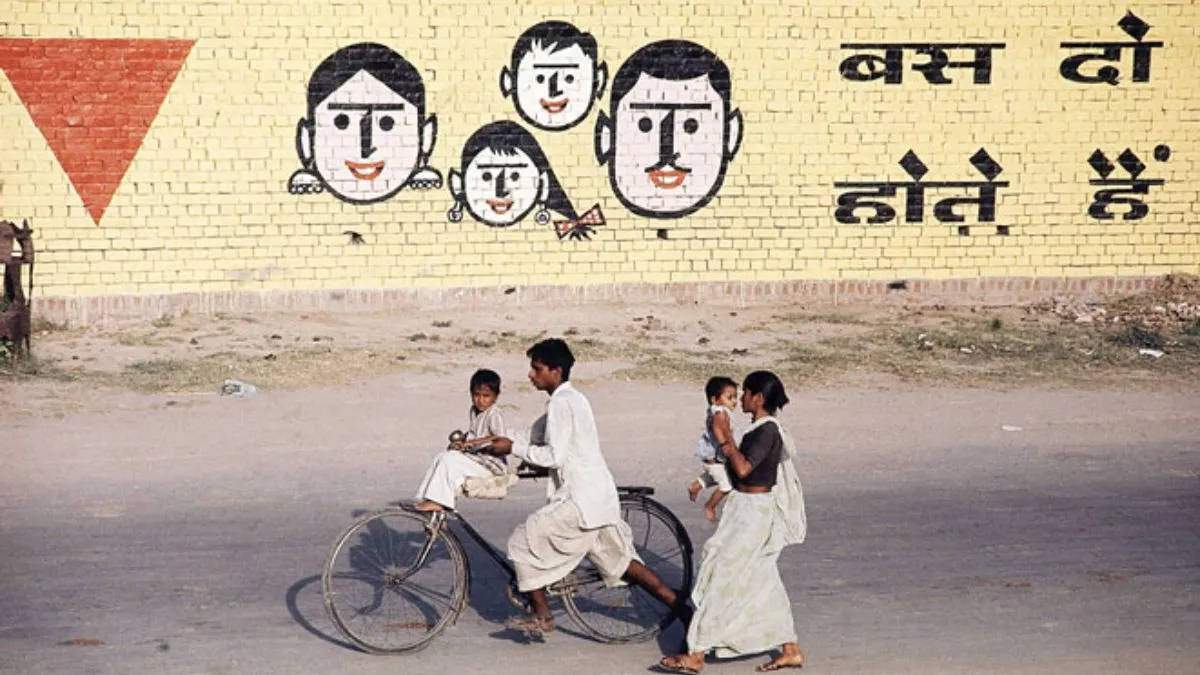 nirodh history
image credit: The Caravan
Why the Government Turned to Condoms as Public Health Policy
A team from the Indian Institutes of Management studied the problem and made a direct recommendation. Make condoms affordable enough for ordinary Indians to actually buy.
In 1964, a study led by Prof KT Chandy at the IIM Calcutta recommended leveraging commercial distribution channels like tea stalls, cigarette vendors, and barbershops. It was pricing condoms at a heavily subsidised rate of 5 paise for 3 condoms to make them accessible to low-income families.
They suggested importing condoms and pricing them at just five paise each, roughly a fifth of the market rate at the time. The government acted quickly. In 1968, India imported 400 million condoms from the United States, Japan, and South Korea. All of them were packaged identically, three to a packet, under a single new name.
How the Name Nirodh Came to Be
The branding itself has an interesting political footnote. India's first mass-distributed condom, launched in 1963, was originally going to be called Kamaraj, a nod to the Hindu god of love, Kamadeva.
Late Prime Minister Jawaharlal Nehru initially considered naming the condom "Kamaraj", referencing Kamadeva. He changed it after realising K Kamaraj was a prominent Congress politician and President of the Indian National Congress in 1964. The name Nirodh (Sanskrit/Hindi for "prevention" or "protection") was selected instead.
Building Domestic Manufacturing and Distribution
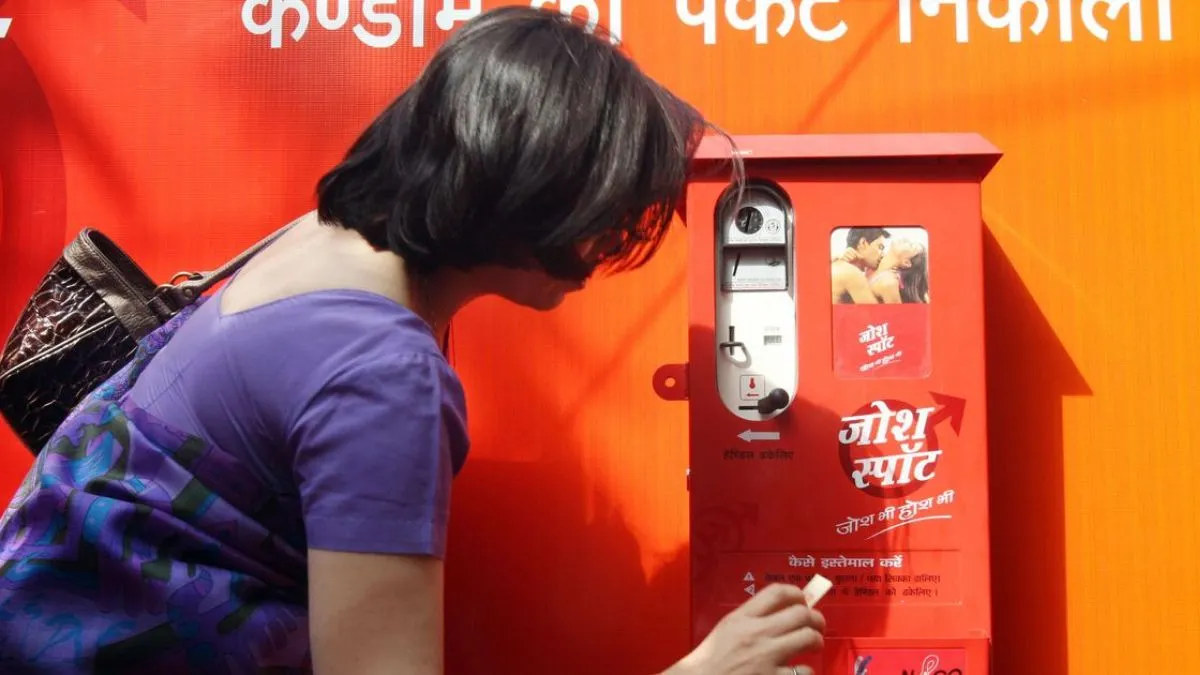 condom history
image credit: Raveendran/AFP
Rather than depend on imports indefinitely, India moved to build its own supply chain. Hindustan Latex Limited, now known as HLL Lifecare, was established in Thiruvananthapuram, Kerala, in 1966, with an initial capacity of 144 million condoms a year, according to the Indian Journal of Medical Research.
It was established with technical assistance from Japan's Okamoto Industries. Commercial production started around 1969.
The distribution model was equally deliberate. A quarter of all Nirodh condoms were supplied free through government health centres. The remaining three-quarters were sold through structured social and commercial marketing, reaching pharmacies, general stores, and even barbershops across the country.
The Public Health Impact Over the Following Decades
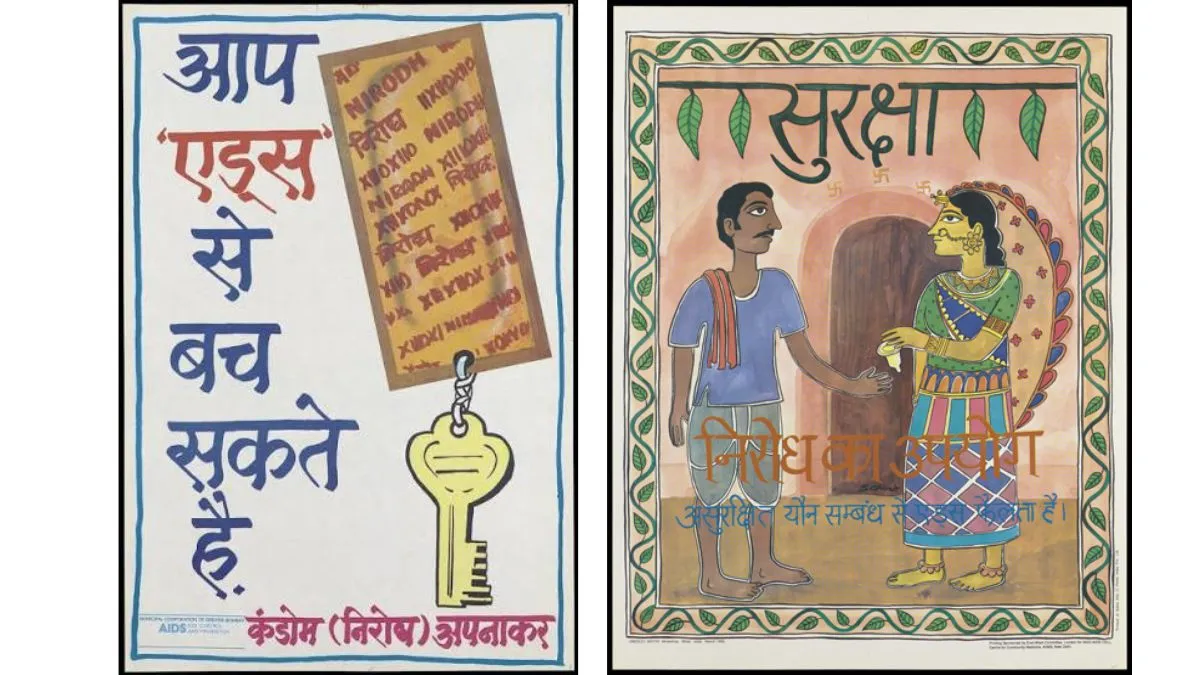 condom nirodh ads
Image Credit: Municipal Corporation of Greater Bombay and ajeebghar
The scale of the effort paid off, at least in terms of population growth. According to Wikipedia's documented history of the brand, citing government family planning data, India's population growth rate fell from 2.40 per cent in 1964 to 1.80 per cent by 2005, and further to 1.26 per cent by 2015. By 1972, monthly usage of Nirodh had crossed seven million units, commanding over 90 per cent of the condom market at the time.
Nirodh's real significance goes beyond a single product. It represents one of the earliest examples of a government treating contraception as a mainstream public health tool rather than a private matter left to the market. The pricing strategy, the domestic manufacturing push, and the deliberate distribution network laid groundwork that continues to influence India's public health infrastructure today, long after private condom brands entered the market and changed the competitive landscape.
Conclusion
What began as an urgent response to population pressure became a defining chapter in India's public health history. Nirodh proved that affordability and accessibility, not just awareness, were the real barriers to contraceptive use. That lesson continues to shape how public health programmes in India, and elsewhere, approach family planning today.
IMAGE CREDIT: wikipedia
All possible measures have been taken to ensure accuracy, reliability, timeliness and authenticity of the information; however Onlymyhealth.com does not take any liability for the same. Using any information provided by the website is solely at the viewers’ discretion. In case of any medical exigencies/ persistent health issues, we advise you to seek a qualified medical practitioner before putting to use any advice/tips given by our team or any third party in form of answers/comments on the above mentioned website.

How we keep this article up to date:
We work with experts and keep a close eye on the latest in health and wellness. Whenever there is a new research or helpful information, we update our articles with accurate and useful advice.
-
Current Version
Aug 05, 2026 11:22 IST
Published By : Vivek Kumar