
In a world full of high-intensity workouts, the humble act of walking often gets ignored. We see it as a way to get from point A to point B. Many of us wonder if it really counts as "exercise." Do we need to sweat in a gym to see results? Or can a simple stroll change our health?
To clear the confusion, we reached out to fitness expert Varnit Yadav. He explains that walking is far more powerful than we give it credit for. It is accessible, free, and incredibly effective for the human body.
The Expert Verdict: A Life-Saving Movement
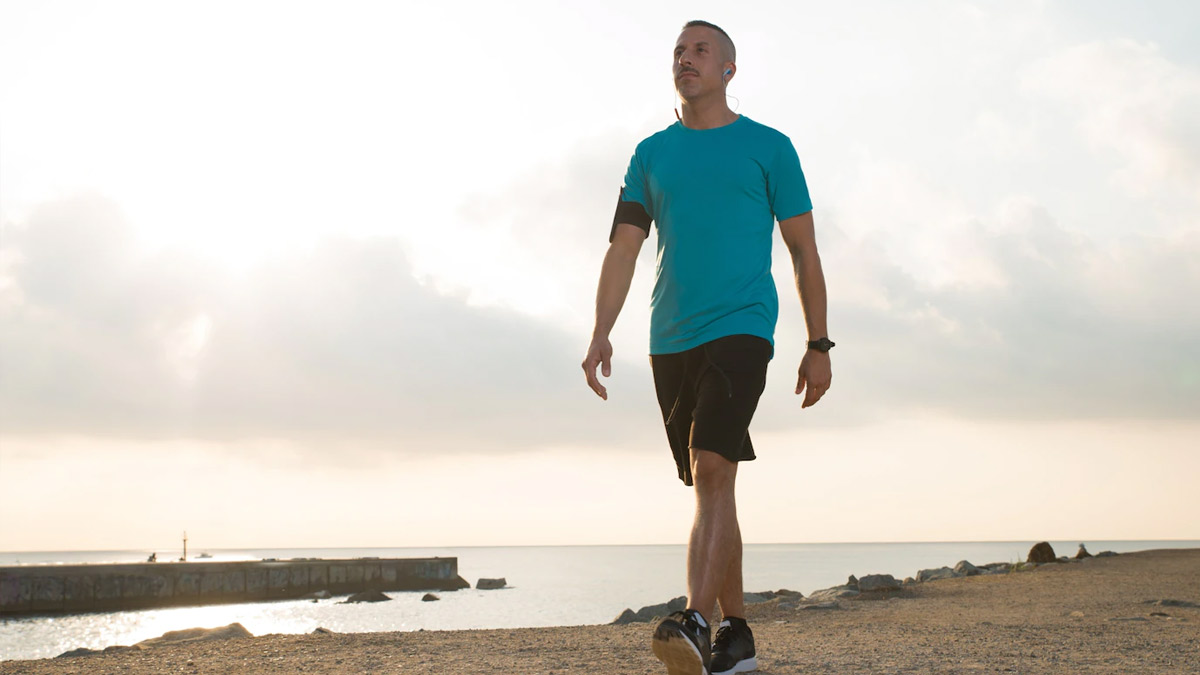
When we asked Varnit Yadav if walking is officially a workout, his answer was clear. He believes walking is a fundamental pillar of health that everyone should embrace. "Yes. 100%. Walking is most certainly a workout. Even though it might seem easy to most of us, it's a life-saving movement. Walking helps us improve our stamina, improves our heart health, and allows us to have stronger bones and joints across all ages. It's one of the best ways to add some physical activity to your routine."
For those who haven't exercised in years, walking is the perfect entry point. It doesn't overwhelm the nervous system like heavy lifting might. Instead, it builds a steady foundation.
"If someone who has been out of shape for a while and wants to embrace the quickest actionable step in the right direction, walking is the way to go. Multiple studies have demonstrated the effectiveness and long-term benefits of walking in the present day."
Setting Your Targets: 7,000 is the New 10,000![]()

- For years, the magic number has been 10,000 steps. However, Varnit suggests a more realistic approach for the modern, busy individual.
- "You can aim for reasonable targets such as 6,000–7,000 steps in a day if you lead a sedentary routine. And if you are fairly active and want to do better on that front, you can always step up the pace of your walking and set a higher step target for yourself."
- Recent research supports this "quality over quantity" approach. By increasing the pace to a "brisk" walk (where you can talk but not sing), you engage your cardiovascular system more effectively, turning a simple stroll into a potent heart-health booster.
It isn't just about weight loss; it's about staying alive longer. A study published in The Lancet Public Health (July 2025) analysed data from over 160,000 adults. The findings were staggering: walking just 7,000 steps a day was associated with a 47% lower risk of premature death and significantly reduced the likelihood of developing type 2 diabetes, dementia, and depression.
ALSO READ- Training Shoes Vs Running Shoes: Expert Explains Which Are Suitable for Walking
Conclusion
Whether you’re recovering from an injury or just trying to offset a desk job, walking is the ultimate "medicine disguised as movement." As Varnit Yadav points out, it is an actionable, low-stress way to build a foundation of health that lasts. You don't need a gym membership or a fancy wardrobe to start; you just need to put one foot in front of the other. So, next time you feel guilty for "only" going for a walk, remember: you’re actually giving your heart, bones, and mind exactly what they need to thrive.
All possible measures have been taken to ensure accuracy, reliability, timeliness and authenticity of the information; however Onlymyhealth.com does not take any liability for the same. Using any information provided by the website is solely at the viewers’ discretion. In case of any medical exigencies/ persistent health issues, we advise you to seek a qualified medical practitioner before putting to use any advice/tips given by our team or any third party in form of answers/comments on the above mentioned website.
How we keep this article up to date:
We work with experts and keep a close eye on the latest in health and wellness. Whenever there is a new research or helpful information, we update our articles with accurate and useful advice.
-
Current Version
Jan 09, 2026 15:15 IST
Modified By : Vivek Kumar Jan 09, 2026 15:15 IST
Modified By : Vivek KumarJan 09, 2026 15:15 IST
Published By : Vivek Kumar