
With natural remedies trending and supplement aisles expanding, many people with psoriasis are turning to vitamin E for relief. It’s widely known for supporting skin health, but when it comes to a complex inflammatory condition like psoriasis, the answer isn’t so straightforward. Our expert, Dr Passi, shares a science-backed, dermatologist-aligned deep dive into whether vitamin E actually helps psoriasis or simply plays a supporting role.
She notes that vitamin E may help soothe and hydrate psoriasis-prone skin, but it lacks strong clinical evidence as a treatment and should only be used alongside medical therapies. Read ahead to know why.
What Is Psoriasis and Why Is It Hard to Treat?
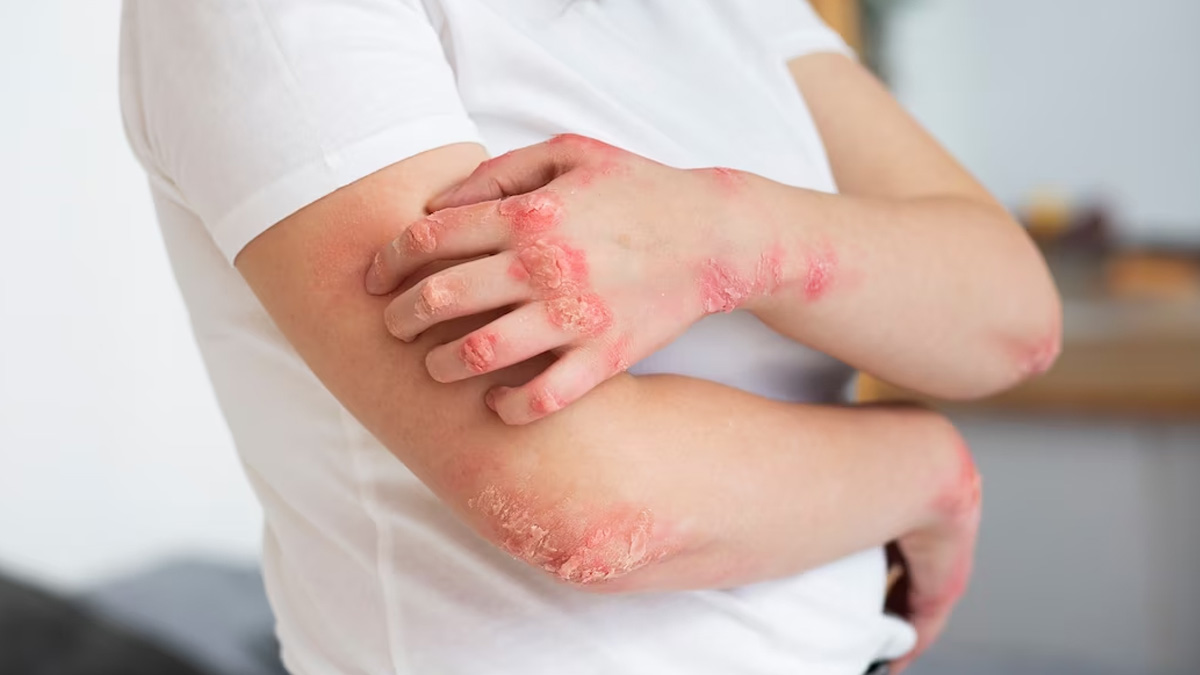
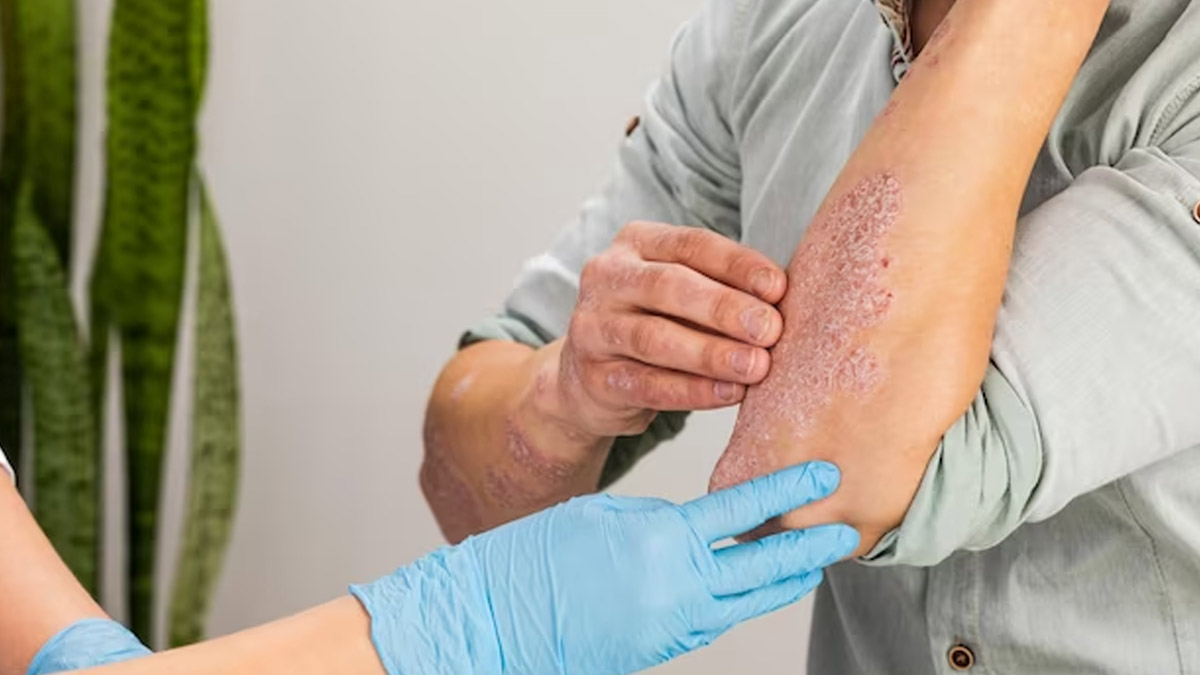
Psoriasis is a chronic autoimmune condition that speeds up skin cell turnover, leading to:
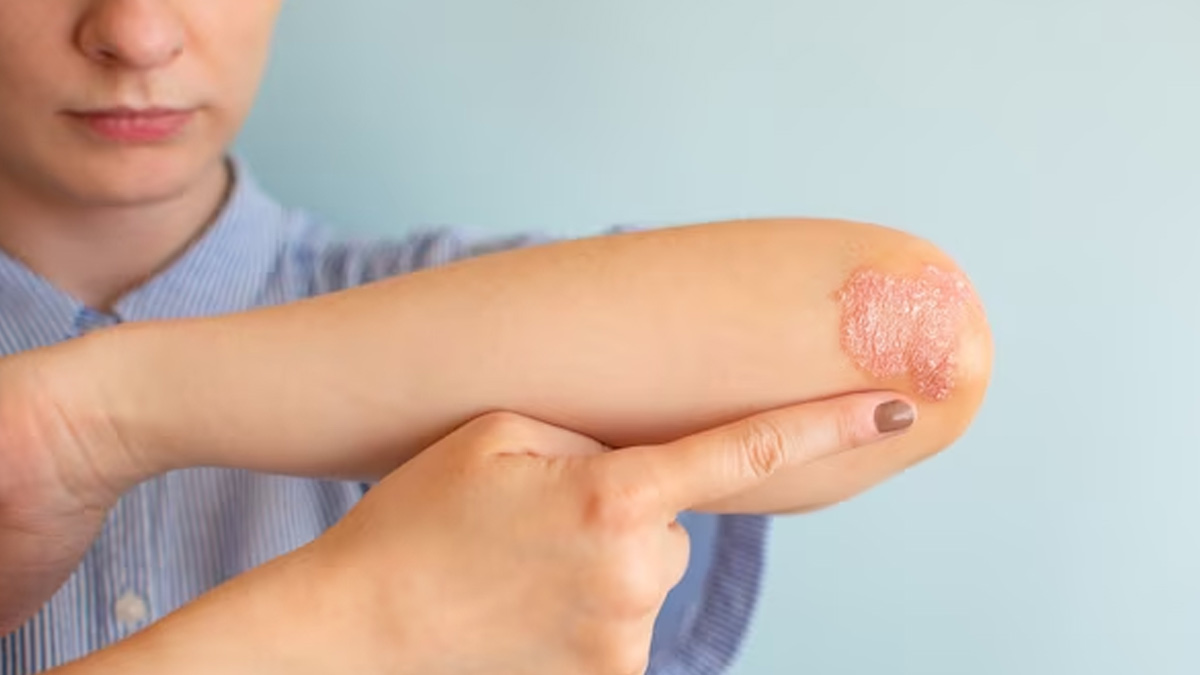
- Thick, scaly plaques
- Redness and inflammation
- Itching, burning, or discomfort
“Psoriasis is more than just dry skin; it is caused by issues with the immune system,” explains Dr Passi. This means that treating it can be complicated and might require more than just putting creams or lotions on the skin.
According to the National Psoriasis Foundation (NPF), some of the common triggers of psoriasis include:
- Stress
- Infections
- Weather changes
- Skin injuries
- Certain medications
The reason it's hard to treat is that it's not just about the skin, but what's going on inside the body. Therefore, the best way to tackle it is to focus on the immune system.
What Is Vitamin E and Why Do People Use It for Skin Conditions?
Vitamin E is a fat-soluble antioxidant that helps protect cells from oxidative stress, which is the damage caused by free radicals. It plays a role in:
- Strengthening the skin barrier
- Reducing inflammation at a cellular level
- Supporting immune function
“As psoriasis involves both oxidative stress and chronic inflammation, people turn to vitamin E in hopes that it could offer benefits,” she clarifies.
ALSO READ- Psoriasis Flare-Ups in Summer: Causes, Symptoms, Treatment, and Mistakes to Avoid
 2-skin
What Does the Science Say?
People With Psoriasis Often Have Lower Vitamin E Levels
A 2021 systematic review of multiple studies found that individuals with psoriasis had significantly lower blood levels of vitamin E compared to healthy controls.
This suggests that oxidative stress may play a role in psoriasis, and antioxidants like vitamin E could be supportive. However, it's also important to note that the Indian Dermatology Online Journal suggests that vitamin E may have benefits for skin health, even if it's not a proven treatment for psoriasis.
Supplementation Helps Markers, But Not Always Symptoms
A peer-reviewed journal, Author Manuscript, shows that vitamin E:
- Improves antioxidant status
- Reduces oxidative stress markers
But there is no strong evidence showing that vitamin E alone:
- Reduces plaques
- Prevents flare-ups
- Alters disease progression
According to Dr Passi, vitamin E is best viewed as a supportive nutrient, not a primary therapy.
Topical Vitamin E: Hydrating but Not Therapeutic
Vitamin E is commonly found in oils, creams, and serums, and it helps to:
- Lock in moisture
- Soothe dry, irritated skin
- Support skin repair
“In everyday skin care, people who use vitamin E oil often report that their skin feels softer, but it doesn't seem to reduce plaque thickness or scaling significantly,” Dr Passi notes.
In simple terms, it might make you feel a bit better when it comes to your symptoms, but it won't actually stop the disease from progressing.
ALSO READ- Are Psoriasis and Eczema Similar? Key Differences, Overlaps, And How To Tell Them Apart
 1-skin
Why Vitamin E Alone Cannot Treat Psoriasis
Vitamin E can be a great product to keep in your skin care routine, but it's not a part of the treatment plan that doctors use to treat psoriasis. Here’s why:
Psoriasis Is Immune-Driven
Vitamin E does not directly regulate the immune pathways responsible for psoriasis.
Lack of High-Quality Trials
There are only a few randomised controlled trials proving its effectiveness.
Effects Are Too Mild
Vitamin E doesn't do much for psoriasis, except maybe help with hydration and reduce some inflammation, simply not enough to make a big difference for people with moderate or severe cases.
Where Vitamin E Can Help
Vitamin E can be helpful if you use it the right way, even if it's not a complete solution. Here’s how:
- Reduces oxidative stress
- Improves skin hydration
- Supports overall skin health
- Works as a complementary approach alongside prescribed treatments
Who Should Be Careful With Vitamin E?
Even natural supplements have risks. Avoid or consult a doctor if you:
- Take blood thinners (vitamin E may increase bleeding risk)
- Are pregnant or breastfeeding
- Have sensitive or allergy-prone skin
- Have chronic health conditions
Dr Passi warns about the possible side effects. These may include:
- Skin irritation (topical use)
- Allergic reactions
- Digestive upset (oral supplements in high doses)
 Main-skin
What Dermatologists Recommend Instead
For effective psoriasis management, evidence-based treatments that address the root cause, not just symptoms, include:
1. Topical Treatments
- Corticosteroids
- Vitamin D analogues
- Salicylic acid
- Coal tar
2. Phototherapy
- Controlled UV exposure to slow skin cell growth.
3. Systemic Treatments
For moderate to severe cases:
- Immunosuppressants
- Biologic therapies targeting inflammation
However, note that these should only be considered after professional consultation with a certified doctor or expert.
What Patients Experience After Using Vitamin E for Psoriasis
In medical settings, a lot of patients try using vitamin E as a natural way to help their condition. Dr Passi adds that usually, they might see a small improvement in dryness, but it doesn't really make a big difference in getting rid of plaques or stopping flare-ups from happening.
Should You Use Vitamin E for Psoriasis?
However, you can consider using vitamin E for psoriasis if:
- You have mild dryness or irritation
- You want to support overall skin health
- You are already on medical treatment
Do not rely on it if:
- You expect it to clear psoriasis
- You have moderate to severe symptoms
- You are replacing the prescribed medication
Bottomline
Vitamin E has clear benefits for skin hydration and antioxidant support, but current evidence shows it is not an effective standalone treatment for psoriasis. It may make the skin feel a bit better, but it won't actually stop the disease from progressing. A good way to deal with skin issues is to get a plan from a dermatologist, where vitamin E can be a helpful addition, but it's not the main fix.
FAQ
1. Can vitamin E cure psoriasis?
There is no cure for psoriasis, and vitamin E is not a treatment or a way to reverse the condition.2. Is vitamin E oil good for psoriasis patches?
It helps to keep dry skin hydrated and can ease irritation, but it cannot make a big difference with plaques.3. Should I take vitamin E supplements daily?
Only if advised by a doctor.4. Which vitamin is most effective for psoriasis?
Vitamin D has the strongest clinical evidence and is commonly used in treatment.5. Can diet help improve psoriasis symptoms?
Yes. Anti-inflammatory diets rich in antioxidants may support overall skin health, but they are not a replacement for medical treatment.
All possible measures have been taken to ensure accuracy, reliability, timeliness and authenticity of the information; however Onlymyhealth.com does not take any liability for the same. Using any information provided by the website is solely at the viewers’ discretion. In case of any medical exigencies/ persistent health issues, we advise you to seek a qualified medical practitioner before putting to use any advice/tips given by our team or any third party in form of answers/comments on the above mentioned website.
How we keep this article up to date:
We work with experts and keep a close eye on the latest in health and wellness. Whenever there is a new research or helpful information, we update our articles with accurate and useful advice.
-
Current Version
Apr 11, 2026 23:55 IST
Modified By : Tanya Srivastava Apr 11, 2026 23:55 IST
Modified By : Tanya SrivastavaApr 11, 2026 23:55 IST
Modified By : Tanya SrivastavaApr 11, 2026 23:55 IST
Published By : Tanya Srivastava
Reviewed By : Dr Ruben Bhasin Passi