
For many people, dinner does not feel complete without a cup of hot tea. It can be part of a daily routine, especially in Indian households. But having tea immediately after a meal may not always be the best habit. The concern is not really that tea will stop digestion or cause food to “sit” in the stomach. The bigger question is whether it can affect the absorption of certain nutrients, particularly iron. Having tea right after dinner is not necessarily dangerous, but if your meal is rich in plant-based iron, keeping a gap before tea can be a smarter habit. Here is what you need to know about the timing, your dinner and your iron levels.
Is Tea Right After Dinner Actually a Problem?
"It is not ideal, but not dangerous either, and it depends heavily on what's in the meal," Veena V, Chief Clinical Dietician and Head of Department, Clinical Nutrition and Dietetics at Aster Whitefield, Bangalore explains. "The main concern isn't digestion in a general sense, it's mineral absorption."
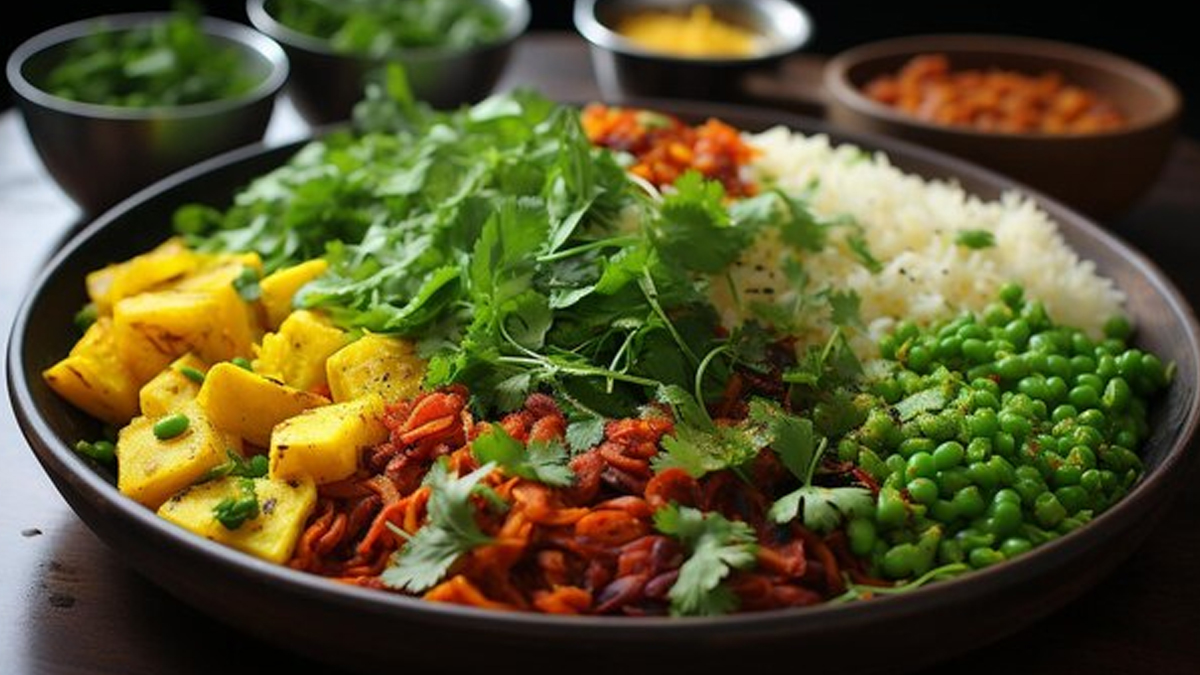
Tea, especially black tea, contains tannins that bind to non-haem iron, the type found in lentils, spinach, beans, and other plant foods common in an Indian dinner. Having tea right after such a meal can significantly reduce how much of that iron your body actually absorbs.
ALSO READ- Coffee Vs Tea: Which is a Healthier Way to Start Your Morning?
Why Does Timing Matter So Much?
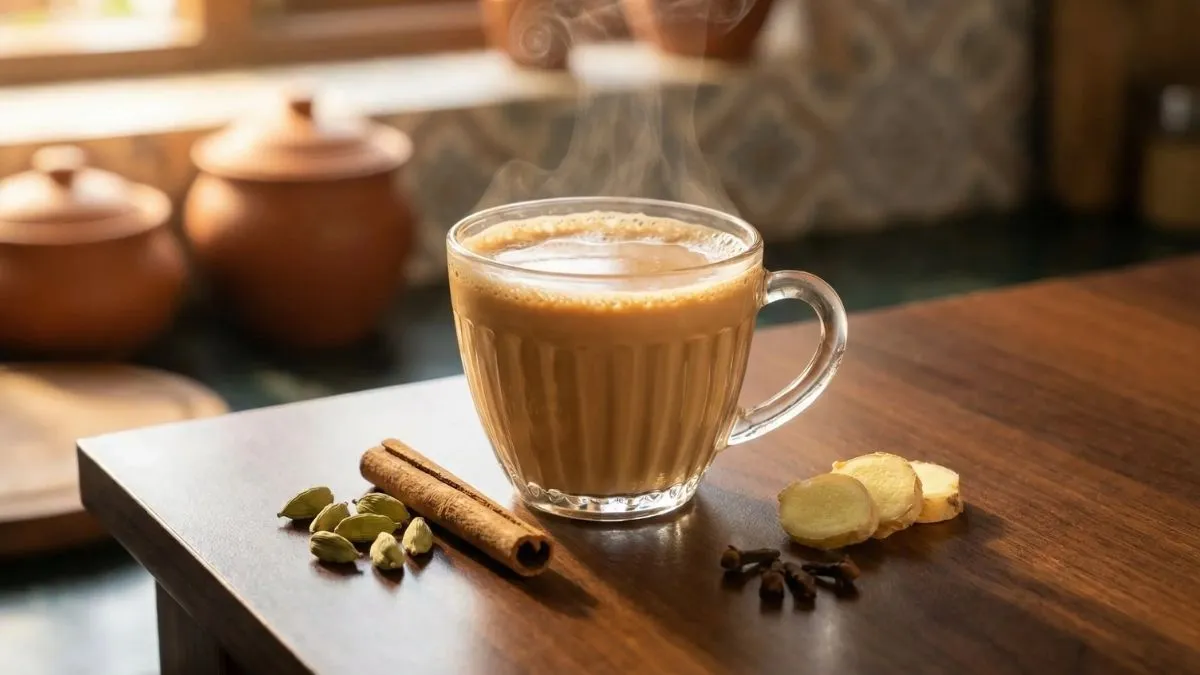
Iron absorption happens mainly in the upper small intestine shortly after eating, according to Veena V. If tea is consumed with or within an hour of a meal, its tannins are present during that exact absorption window, causing maximum interference. Research shows tea taken alongside an iron-containing meal can reduce non-haem iron absorption by 50 to 90 percent, depending on the tea and how strong it's brewed.
 tea
tea
This isn't an isolated finding. A 2023 study published in the Korean Journal of Family Medicine, analysing national health survey data, found that as combined coffee and green tea intake increased, ferritin levels. It was a key marker of the body's iron stores, dropping significantly, even after accounting for other factors. It's a useful reminder that this isn't just a lab-based effect, it shows up in real dietary patterns too.
Does This Apply to Everyone Equally?
No. Heme iron, found in meat, poultry, and fish, is absorbed differently and is far less affected by tannins. A meat-based dinner followed by tea is a very different scenario from a lentil-and-vegetable dinner followed by tea. Veena V flags the groups who need to be most careful:
- People with iron-deficiency anaemia
- Pregnant women
- Menstruating adolescents and women
- Vegetarians and vegans
- Anyone with a gut condition like coeliac disease that already limits absorption
What About Caffeine and Sleep, Not Just Iron?

Worth flagging too, says Veena V. Black and green tea both contain caffeine, roughly 11 to 61mg per cup depending on type and brew strength. Having a cup right after dinner, especially close to bedtime, can affect sleep quality in caffeine-sensitive individuals, on top of the iron absorption issue.
How Long Should You Wait After Dinner?
For most people, there is no need to completely stop drinking tea after dinner.
A simple approach is to leave at least an hour between dinner and tea, particularly when the meal is rich in plant-based iron or you are at risk of iron deficiency.
Veena says, “Rather than cutting tea out entirely, the better habit is to build in a gap of at least one hour after dinner before having it, especially on days the meal was plant-based.”
You can also make the overall meal more supportive of iron absorption by including vitamin C-rich foods such as lemon, tomatoes, peppers or citrus fruits.
The bigger picture matters too. One cup of tea is unlikely to determine your iron status on its own. Overall diet, iron intake, existing iron stores and health conditions all influence whether someone develops iron deficiency.
A controlled trial published in the American Journal of Clinical Nutrition found that waiting just one hour after a meal before drinking tea meaningfully restored iron absorption toward normal. That's a simple, realistic fix. Rather than cutting tea out entirely, the better habit is to build in a gap of at least one hour after dinner before having it, especially on days the meal was plant-based.
Who Should Be Extra Mindful of This Gap?

According to Veena V:
- People managing iron-deficiency anaemia
- Pregnant women
- Menstruating teens and women
- Vegetarians and vegans
- Anyone with a gut absorption disorder
- Anyone taking iron supplements, since tea and iron tablets should be kept at least an hour apart too
ALSO READ- Can Drinking Green Tea on an Empty Stomach Cause Nausea?
Conclusion
Tea after dinner isn't a habit you need to give up, but timing genuinely matters, especially if your meal is plant-based. A simple one-hour gap does most of the work, no complicated rules required.
FAQ
1. Does adding milk to tea change its effect on iron absorption?
Not meaningfully. The tannins responsible for binding iron remain active whether or not milk is added, so a milky tea still carries a similar interference effect on non-haem iron as black tea on its own.2. Can herbal or fruit teas be a safer alternative right after dinner?
Generally, yes. True teas (black, green, white, oolong) contain the tannins linked to iron interference, while most herbal and fruit infusions, like chamomile or hibiscus, don't come from the same tea plant and typically have a much smaller effect on iron absorption.
All possible measures have been taken to ensure accuracy, reliability, timeliness and authenticity of the information; however Onlymyhealth.com does not take any liability for the same. Using any information provided by the website is solely at the viewers’ discretion. In case of any medical exigencies/ persistent health issues, we advise you to seek a qualified medical practitioner before putting to use any advice/tips given by our team or any third party in form of answers/comments on the above mentioned website.

How we keep this article up to date:
We work with experts and keep a close eye on the latest in health and wellness. Whenever there is a new research or helpful information, we update our articles with accurate and useful advice.
-
Current Version
Sep 18, 2026 19:40 IST
Published By : Vivek Kumar
Reviewed By : Ms Veena V