-1791981423341_m.webp)
Hand washing with soap is among the simplest methods to decrease infection spreads. So, when you open the tap, is hot water more effective in cleaning your hands than cold water? This question is particularly pertinent on Global Handwashing Day on 15 October, a day dedicated to the message of good hand hygiene.
A lot of people think that hot water kills more germs and the cold water isn't as effective. The reality is that there is not much difference in germ removal based on water temperature. Soap and careful scrubbing and time are far more significant. However, the temperature you select can influence the feel of handwashing and your skin.
Does Hot Water Remove More Germs Than Cold Water?
Not necessarily. Hot water may seem like a more effective cleaner but comfortable-to-touch water is not effective against germs. It is not for killing germs,” says Prof Dr SM Fayaz, Lead and Senior Consultant, Internal Medicine, KIMS Hospitals, Mahadevapura.
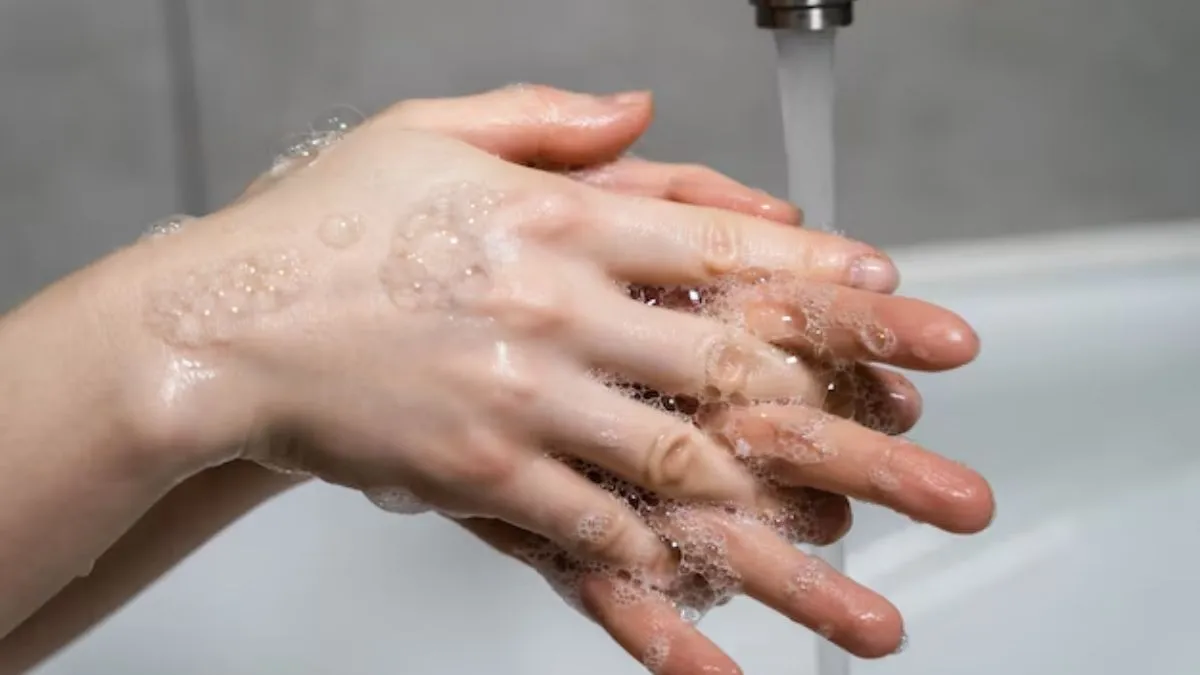
Public health authorities like the CDC have said that water temperature doesn't matter when it comes to getting hands clean; what matters is soap, scrubbing and time, and the best water temperature is the one you can get into for a full 20 seconds.
 handwash
The US Centers for Disease Control and Prevention (CDC) has confirmed that the number of germs removed by warm water and cold water, both with soap, are the same. Water is not a good sterilizer. To do so by heat, it would have to be hot enough to scald the skin.
A laboratory study published in the Journal of Food Protection examined water temperature, soap volume and lathering time. The researchers did not see any difference in the effectiveness in removing bacteria between the 15°C and 38°C washings. The study was conducted in 2017, but the results can inform the recommendations made by public health authorities now.
ALSO READ- Global Handwashing Day: Is A Quick 5-Second Handwash Enough? What Actually Makes Hands Clean
Why Does Soap Matter More Than Water Temperature?
Soap removes dirt, oils and germs from skin. Rubbing will help to lift them off the surface and running water will wash them away. It does not necessarily mean that a thorough wash with cool water is better than a quick wash with hot water.
For effective handwashing:
- Wet hands with running water.
- Use a sufficient amount of soap to cover both hands.
- Rub the palms of your hands, the back of your hands and between your fingers.
- Clean your thumbs, fingertips and under your nails.
- Scrub for 20 seconds or more.
- Thoroughly wash and dry your hands.
Regular household hand washing can be done with plain soap. Everyday use does not need to be done with antibacterial soap.
Can Hot Water Damage Your Skin?
Yes, especially if it's very hot or if you wash your hands a lot. Repeated exposure to water and heat can disrupt the barrier function of the skin that keeps water in and helps to keep irritants out.
A 2022 study published in the Journal of Clinical Medicine examined water exposure and skin barrier changes in 50 healthy volunteers. Researchers determined that soaking for the long time led to an increase in water loss through the skin and also redness. Some measurements were also affected by the cold water, and hot water induced more changes in some indicators.
-1791981838346.webp) handwash hotwater
handwash hotwater
The study was done under controlled conditions and should not be construed as evidence that all warm-water washings harm the skin. They do, however, offer a benefit in avoiding excess heat, especially where hands are already dry and/or sensitive.
Hot water that is too hot can cause some hands to become tight, dry or itchy. Chronic irritation can cause cracked skin and dermatitis of the hands. It also poses a risk of burn, especially for the children and the people with diminished hand sensitivity.
Are There Any Benefits To Using Warm Water?
Hot water can help handwashing be more comfortable, particularly in the winter. This comfort can help you to wash the proper amount of time and not rush through it.
It can also help to wash the grease off your plates after you eat. This benefit is not to be confused with sufficient destruction of germs by warm water versus cool water if both are used correctly with soap.
Warm water may be a sensible choice if:
- Winter is uncomfortable when it's cold.
- You use oily food and need to get rid of greasy residue.
- You feel comfortable in the water and are able to scrub for 20 seconds.
- Do not set the faucet to a very hot water setting. A comfortable temperature will be sufficient.
Is Cold Water Better For Sensitive Skin?
Cool or lukewarm water is often a sensible option for people with dry skin, eczema or dermatitis. It avoids the unnecessary irritation that very hot water may cause.
However, cold water is not automatically better for every person. Very cold water can feel uncomfortable and may encourage people to shorten their wash. The priority is to use a temperature that allows you to clean your hands properly.
People who wash their hands frequently for work should take particular care of their skin. Healthcare workers, food handlers and caregivers may need to wash repeatedly throughout the day.
A few simple habits can help:
- Use a mild cleanser.
- Avoid very hot water.
- Dry your hands gently and thoroughly.
- Apply a fragrance-free moisturiser after washing.
Seek medical advice if you develop persistent redness, painful cracks or a rash.
Which Water Temperature Should You Choose?
For most people, luke warm water is a good compromise. It's comfortable and doesn't expose skin to excessive heat. Even when using soap and scrubbing, cool tap water can work.
There may be some individuals who require additional care:
- Children: Comfortably lukewarm water and close supervision to hot taps.
- Those with eczema or dry skin: Use cool or lukewarm water and moisturise after bathing.
- For older adults and those with diabetes, or nerve damage: If there is less sensation in the hands, check the temperature carefully.
- It may be more comfortable for people with Raynaud's phenomenon to use lukewarm water, as cold water can worsen their symptoms in the fingers.
- Frequent handwashers and healthcare workers: Avoid excessive heat; use moisturiser regularly.
Get medical advice instead of just altering the temperature of the water if your hands are cracked, bleeding or continue to become inflamed.
What Is The Biggest Handwashing Mistake?
It is assuming that the hands are cleaner when the water is hotter. The real errors are haste, leaving out the soap or not cleaning the thumbs, fingertips and spaces between the fingers.
ALSO READ- Can Washing Your Face With Hot Water Cause Early Ageing? Dermatologist Weighs In
Conclusion
This Global Handwashing Day, focus on technique rather than temperature. Use clean running water, apply soap and scrub for at least 20 seconds. Rinse thoroughly and dry your hands fully.
With all that being said, hot and cold water can both work well for handwashing. Choose a comfortable temperature, avoid water that is excessively hot, and give soap and scrubbing enough time to do their job.
FAQ
Should You Change Your Handwashing Routine In Winter?
There is no significant change required. Continue to wash for 20 seconds or longer. If you feel compelled to get in the water when it's cold, opt for "warm" water instead. If your hands are dry during the winter, moisturize often.Does Hot Water From The Tap Sterilise Your Hands?
No. Hand washing with water that comes out of the tap is not hot enough to be effective at producing a sterile hand. The warmth can burn your skin if it's too high, and can kill many germs. Soap, scrubbing and rinsing are the safer and more effective approach.
All possible measures have been taken to ensure accuracy, reliability, timeliness and authenticity of the information; however Onlymyhealth.com does not take any liability for the same. Using any information provided by the website is solely at the viewers’ discretion. In case of any medical exigencies/ persistent health issues, we advise you to seek a qualified medical practitioner before putting to use any advice/tips given by our team or any third party in form of answers/comments on the above mentioned website.
How we keep this article up to date:
We work with experts and keep a close eye on the latest in health and wellness. Whenever there is a new research or helpful information, we update our articles with accurate and useful advice.
-
Current Version
Oct 14, 2026 19:49 IST
Published By : Vivek Kumar
Reviewed By : Prof Dr S M Fayaz