
Do you often think about harming someone or yourself, but there is no real intention to act upon it? If you can relate to this, then what you might be experiencing is a subtype of obsessive compulsive disorder (OCD), called harm OCD. This condition causes severe mental distress, but it should not be confused with violent or aggressive behaviour. To understand what this type of OCD actually is, what are its causes, signs or treatment, we interacted with a top psychiatrist.
Let us take a look at what Dr Sharadhi C, Consultant, Psychiatry, Aster CMI Hospital, Bangalore, has to say about this.
What is Harm OCD?
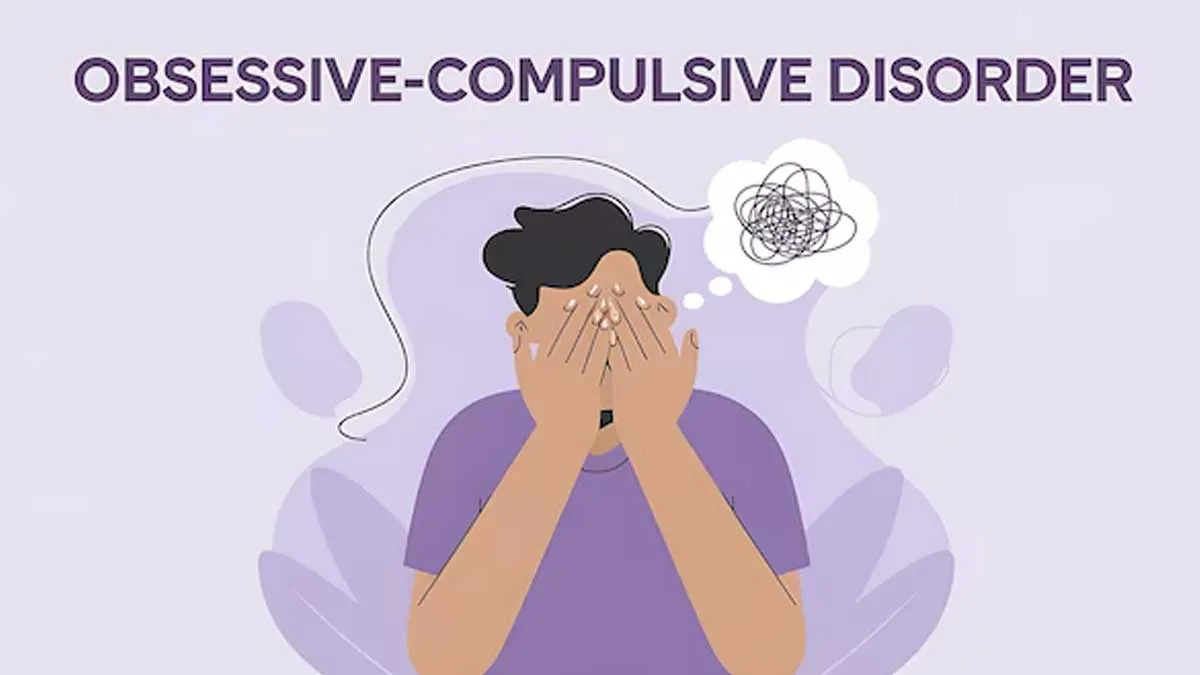
Let us first try and understand what harm OCD is. Answering this, Dr Sharadhi says, “Harm OCD is a form of obsessive-compulsive disorder in which a person experiences unwanted, frightening and intrusive thoughts, images or fears about accidentally or intentionally harming themselves or someone else, even though they do not actually want to cause harm.”
A recent study, published in the journal Clinical Case Studies, notes that harm OCD is a subtype of the disorder. It is characterised by terrifying, intrusive thoughts or mental images which involve physical harm to oneself or others. The research adds, in clinical terms, harm OCD means that an individual's brain is flooding them with violent imageries that are exactly opposite to their actual character, desires, and moral values.
Since these intrusive thoughts deeply conflict with who the person actually is, the person does not want to act on them, but rather lives in extreme fear that they might lose control. The research notes that sufferers typically experience ‘thought-action fusion’. This is a cognitive distortion where they hold this notion that simply having a violent thought makes them a bad person or makes the violent act more likely to happen.
 harm ocd 1
What Are The Causes and Symptoms of Harm OCD?
Shedding light on its causes, Dr Sharadhi says that these thoughts can lead to anxiety and compulsive behaviours such as:
- Repeatedly checking whether they have hurt someone.
- Avoiding knives or other objects.
- Staying away from loved ones.
- Seeking constant reassurance.
- Mentally reviewing events, or trying to ‘prove’ that they are a good or safe person.
So what causes harm OCD? Dr Sharadhi answers, “The exact cause of OCD is not fully known, but genetics, brain processes, personality factors and environmental stress may contribute, and having an intrusive harm thought. This does not mean that a person wants to act on it or will act on it, which is an important distinction between an unwanted obsession and genuine intent.”
 harm ocd 2
How To Treat Harm OCD?
Dr Sharadhi says that treatment for harm OCD usually involves cognitive behavioural therapy (CBT), especially exposure and response prevention (ERP). Explaining this further, the expert shares, “Here, a trained therapist helps the person gradually face the feared thoughts or situations without performing their usual compulsions or avoidance behaviours. This allows them to learn that thoughts are not the same as actions and that anxiety can decrease without reassurance or checking.”
Shedding light on medications, Dr Sharadhi says, “Medicines such as selective serotonin reuptake inhibitors (SSRIs) may also be recommended by a psychiatrist when symptoms are moderate to severe or when therapy alone is not enough. Moreover, treatment should be personalised.”
The aforementioned study explores a novel therapeutic approach for treating Harm OCD.To cope with the severe anxiety these thoughts generate, the study notes that individuals engage in compulsive safety behaviors like constantly checking on loved ones, seeking reassurance, or hiding items such as kitchen knives.
 harm ocd 3
The study adds that traditional therapies can sometimes face severe patient resistance. This is because the sheer fear of the harm-related thoughts makes standard exposure exercises feel dangerous to the patient. To bridge this gap, the researchers made use of a specific psychoeducational framework known as the 4T Model. This was done to help the patient fundamentally reconceptualise their relationship with their own thoughts, before starting heavy exposure therapy.
Ultimately, the study concluded that by first dismantling the extreme meaning patients assign to their violent obsessions, doctors can successfully help the sufferers break this toxic cycle of harm OCD and help them reclaim their lives.
When Should You Seek Medical Help
Dr Sharadhi says that you should seek professional help if intrusive thoughts are frequent, distressing, taking significant time or interfering with daily life. If someone feels they genuinely intend to harm themselves or another person, have made a plan or feel unable to stay safe, they should seek urgent mental health assessment rather than assuming the thoughts are simply OCD.”
ALSO READ- What is Just Right OCD? Doctor Shares Causes, Symptoms and Treatment
Conclusion
Harm OCD is a highly distressing subtype of obsessive-compulsive disorder. Here, intrusive, violent thoughts directly contradict a person’s actual moral character and desires. But the good news is that these terrifying obsessions are not a reflection of the person’s genuine intent. The condition can be effectively managed through targeted interventions such as Exposure and Response Prevention (ERP) and cognitive restructuring models. Therefore, anyone experiencing these paralysing thoughts should seek psychiatric help to break the toxic cycle of anxiety and improve their mental health.
FAQ
Is it possible to cure harm in OCD?
While Obsessive-Compulsive Disorder (OCD) cannot technically be permanently ‘cured’, harm OCD is highly treatable, and most people can achieve profound, long-lasting symptom remission and live full lives.How do you know if you have harm OCD?
You can identify harm OCD by noticing if you have unwanted, scary thoughts about hurting yourself or others that cause deep distress and lead to repetitive habits to check or prevent that harm.
All possible measures have been taken to ensure accuracy, reliability, timeliness and authenticity of the information; however Onlymyhealth.com does not take any liability for the same. Using any information provided by the website is solely at the viewers’ discretion. In case of any medical exigencies/ persistent health issues, we advise you to seek a qualified medical practitioner before putting to use any advice/tips given by our team or any third party in form of answers/comments on the above mentioned website.
How we keep this article up to date:
We work with experts and keep a close eye on the latest in health and wellness. Whenever there is a new research or helpful information, we update our articles with accurate and useful advice.
-
Current Version
Sep 04, 2026 18:23 IST
Published By : Shruti Das
Reviewed By : Dr Sharadhi C