


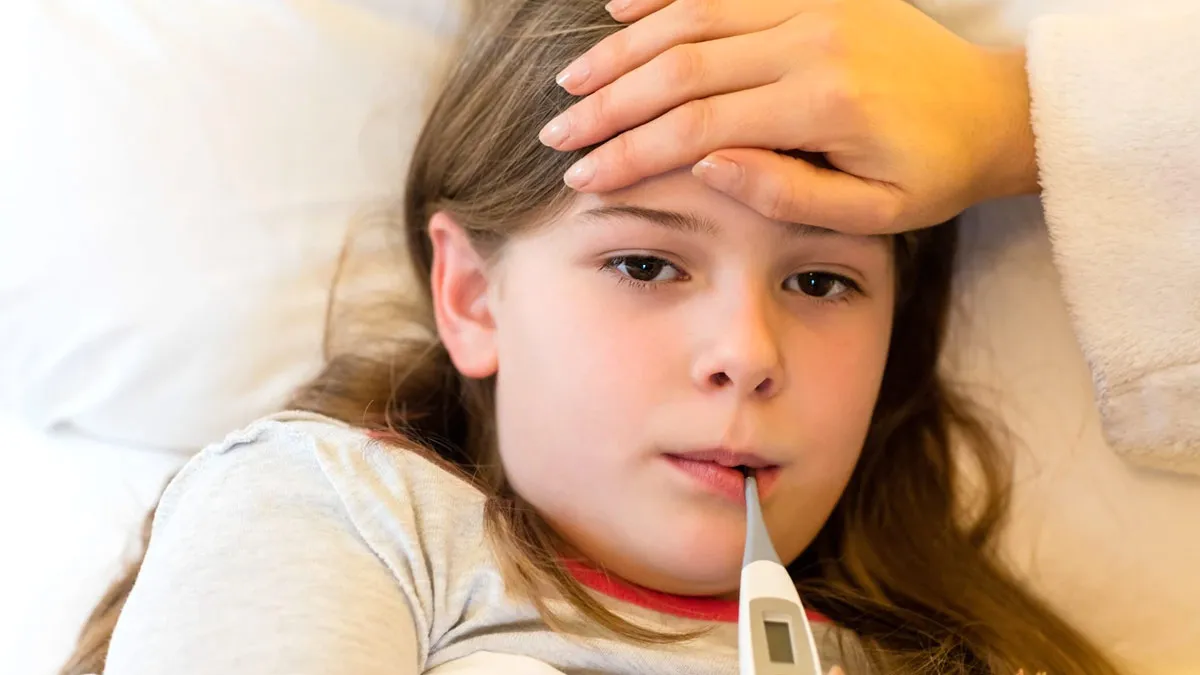
As the temperature falls and winter sets in, a familiar pattern is witnessed by most parents. It is when their children fall sick more often. From runny noses to stubborn coughs, it seems like winter ailments will never cease. However, experts believe that there is a clear scientific explanation behind this seasonal dip in immunity, and if cared for rightly, parents can prevent their kids from falling ill so frequently during these colder months.
Table of Content:-
In an exclusive interaction with the editorial team of Onlymyhealth, our expert, Dr Vrajendu B B, Consultant, Paediatrics, Fortis Hospital, Nagarbhavi, Bengaluru explained everything you need to know as parents or caregivers. Read ahead to know more.
Why Immunity Drops During Winter
Winter brings a number of changes that affect a child's natural defences. Cold and dry air are among the biggest culprits. Studies reveal that it dries out the nose and throat, which is the body's first line of defence against invading viruses. Once this barrier has weakened, it's easier for infection-causing germs to enter the body.
Children spend more time indoors, especially in closed and poorly ventilated rooms. This means that they are in closer contact with other children, creating more viral and bacterial transmissions. The classrooms, the play areas, and the day-care centres become the breeding places for germs.
ALSO READ- Not Just Diabetics, Glucose Spikes Matter For Everyone – Here’s Why
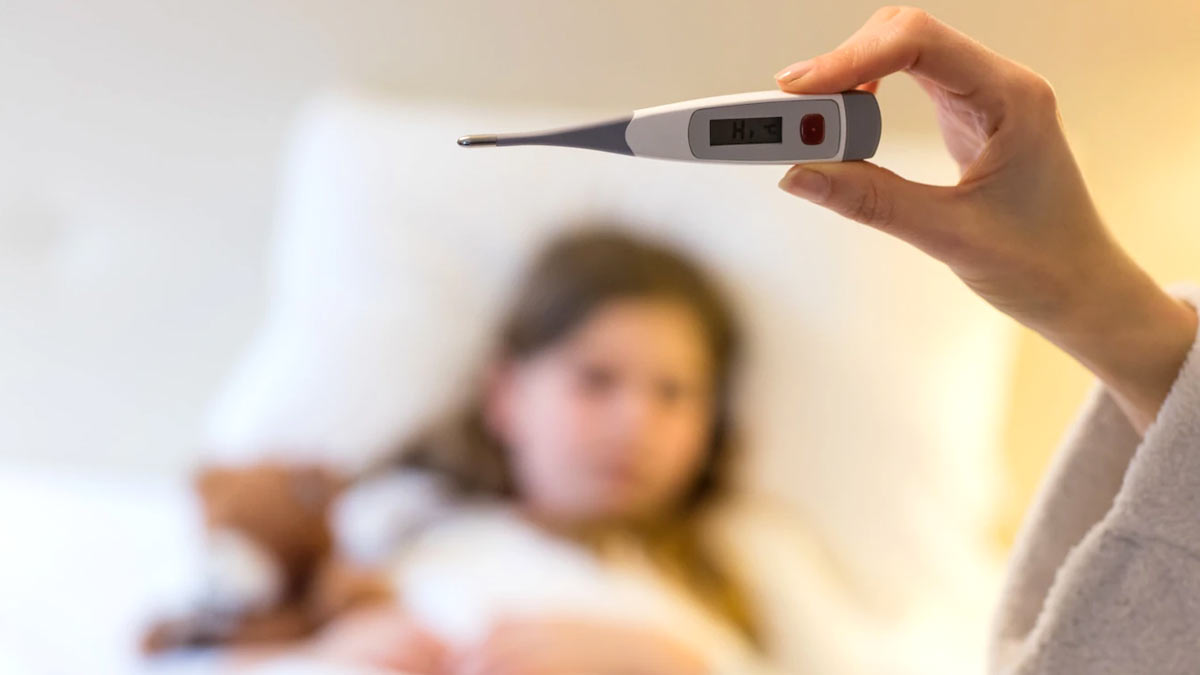
Another major reason is the reduction of sunlight exposure. With shorter days and less time kids spend outdoors, it means reduced vitamin D levels. Vitamin D is very important for immunity, and even a mild deficiency can make one vulnerable to infections.
Sudden changes in temperature also take their toll. Moving from warm indoor spaces into cold outside air puts stress on the body. Dr Vrajendu explained that this shift can momentarily weaken the immune response, making children susceptible to colds, coughs, and flu-like symptoms.
Common Winter Health Issues in Children
During winter, paediatricians commonly diagnose the following conditions:
- Frequent colds and coughs
- Throat and respiratory infections
- Flu-like symptoms
- Worse asthma
- Increased allergies
- Increased fatigue
- Slightly slower wound healing
“Although these are common, parents can lessen the impact significantly through regular preventative care,” he added.
How to Support Your Child's Immunity in Winter
Dr Vrajendu pointed out that daily routines or habits go a long way in building immunity. Here's what parents or caregivers can do:
ALSO READ- Should Senior Citizens Opt For Influenza And Pneumonia Shots In Winter?
1. Focus on a Balanced, Nutritious Diet
Ensure your child’s plate is filled with colourful fruits and vegetables, nuts, seeds, whole grains, and seasonal produce. Foods high in vitamin C, antioxidants, and zinc, oranges, amla, berries, carrots, spinach, and pumpkin, naturally help the body fight against infections.
2. Encourage Outdoor Playtime
As little as 20 to 30 minutes in the sun can help someone maintain levels of vitamin D. Playing outside increases immunity, mood, and energy.
3. Keep Children Hydrated
Children may not feel thirsty in winter, but their body still needs to have an adequate amount of water. Warm soups, coconut water, infused warm water, and fresh juices will be helpful for hydration.
4. Prioritise Sleeping and Rest
Good sleep allows the body to repair and recover. Younger children, in particular, need adequate sleep to keep the immune system functioning well.
5. Develop Good Hygiene Habits
Simple practices like regular handwashing, using clean masks when required, and avoiding cold drinks or ice creams during harsh winter days go a long way.
Bottomline
Winter need not be a season of never ending sick days. Parents can help their children sail through the season with stronger immunity, less illness, and even fewer bugs, with mindful nutrition, good hygiene, outdoor play, proper sleep, and timely vaccinations.
FAQ
1. Why do kids get sick more often in winter?
Cold air weakens the nose and throat's protective barrier, children stay indoors more, and reduced sunlight lowers levels of vitamin D. All these factors combined increase their vulnerability to infections.2. Can diet alone improve a child's immunity?
Healthy dieting helps, but immunity is strongest when combined with good sleep, hygiene, hydration, outdoor play, and vaccinations.3. Should children receive the flu vaccine every year?
Yes, annual flu vaccination is recommended because flu viruses change from year to year, and vaccination provides better protection.
How we keep this article up to date:
We work with experts and keep a close eye on the latest in health and wellness. Whenever there is a new research or helpful information, we update our articles with accurate and useful advice.
Current Version
Jan 04, 2026 14:01 IST
Published By : Tanya Srivastava