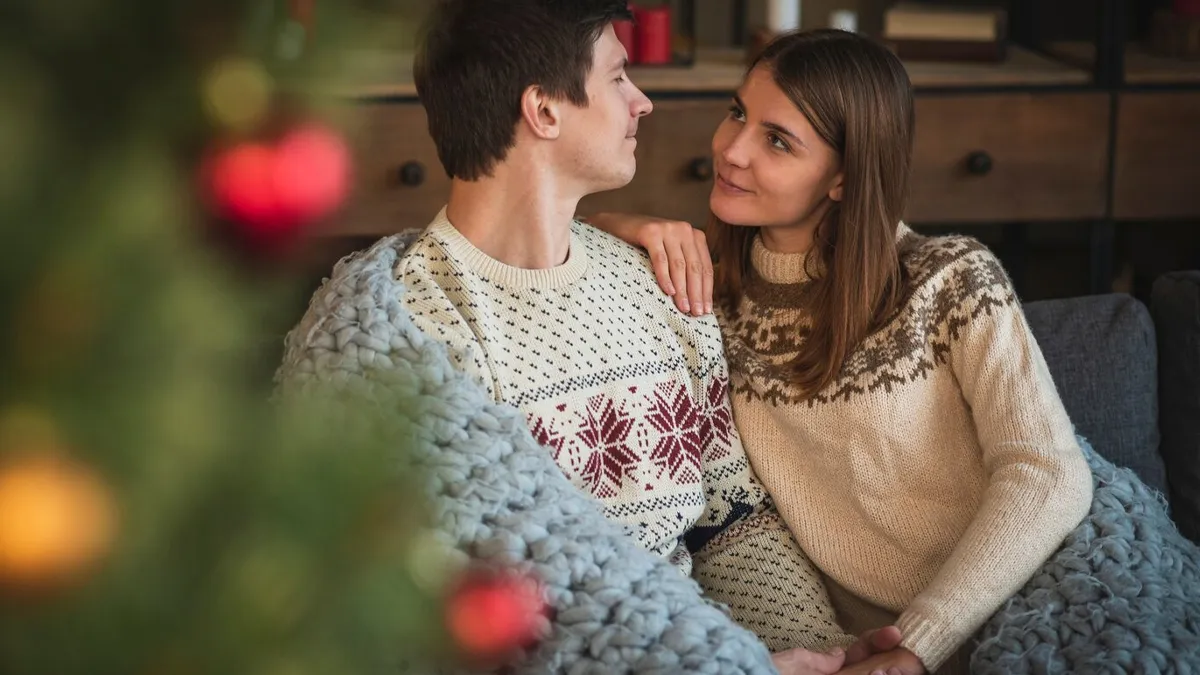
The cold days and gloomy nights of winter can feel overwhelming for singles. So much so that some people feel the need to date or look for a companion. With the dip in temperature, many people seek warmth and cosiness, but for a short span – to get them through the chilly months. This winter dating trend is known as cuffing. The term is related to ‘cuffing season’ – which refers to a period of time (winter) when single people actively seek a companion to avoid being alone during the colder months. But what is the emotional cost behind cuffing? Today, we will answer this for you.
To get a better understanding, we reached out to Dr Divya Shree KR, Consultant – Psychiatry, Aster CMI Hospital, Bangalore.
Do Singles Feel Depressed In Winter?
Single people may feel sad, lonely and depressed when the weather turns cold – is this a myth or reality? “Yes, many singles can experience depression, anxiety, or other mental health issues during winter because cold weather, shorter days, and long nights can make people feel lonely and low in energy. This change in routine can reduce social activities and increase feelings of isolation, especially for those living alone,” shares Dr Shree KR.
She adds, “And the lack of sunlight can lower mood-regulating chemicals in the brain, making sadness or worry stronger, and singles may miss emotional support during festive seasons, leading to more stress. But staying connected with friends, keeping a regular routine, going outdoors during daylight, staying active, and talking to someone they trust can help improve their mood and make winter feel easier to handle.”
Is The Cuffing Dating Trend A Sign Of Emotional Instability?
Can the cuffing season lead to rushed dating and impulsive choices? Let’s find out.
“The cuffing dating trend is not always a sign of impulsive behaviour or emotional instability, but it can sometimes happen when people feel lonely during winter and want quick emotional comfort, and this can lead to fast decisions that may not be fully thought through. However, many people join cuffing season simply because they enjoy companionship in colder months, not because they are unstable,” explains the expert.
 cuffing inside 1
“The desire for closeness during winter is a normal human response to fewer social activities and longer nights, but if someone repeatedly jumps into short-term relationships to avoid being alone, feels anxious without a partner, or makes rushed choices that later cause stress, it may show emotional struggles that need attention and healthier coping habits,” adds Dr Shree KR.
How Cuffing Impacts Mental Health
If you are wondering how cuffing affects mental health, we are here to explain.
“The cuffing dating trend can impact one’s mental health in both good and bad ways because getting into a quick relationship for winter can give short-term comfort, reduce loneliness, and make a person feel supported. But it can also create stress if expectations are not clear or if one partner becomes more attached than the other,” says the expert.
She adds, “Ending the relationship after winter can lead to sadness, rejection, or confusion, especially for people who already struggle with self-esteem. The pressure to find someone just to avoid being alone may increase anxiety, while constantly entering short-term bonds can stop someone from building healthy, stable connections. So being honest with yourself and the other person helps protect emotional well-being.”
Can Seasonal Factors Influence Relationship Dynamics?
On this note, Dr Shree KR shares how seasonal factors may influence relationship dynamics:
- Changes in weather, daylight, and daily routines can affect mood, energy levels, and how much time people spend together.
- Colder months often push couples to stay indoors more, which can create closeness but also increase chances of small conflicts.
- Singles may feel more pressure to find a partner during festivals or holidays.
- Longer daylight in summer can improve mood and make people more social, leading to more outdoor activities and new connections.
- It can also highlight differences in lifestyle or interests between partners.
- Seasonal stress, travel plans, or financial pressures can add emotional strain.
- Understanding these changes helps people manage expectations and communicate better.
Can Psychological Shifts Make You Seek Companionship In Winter?
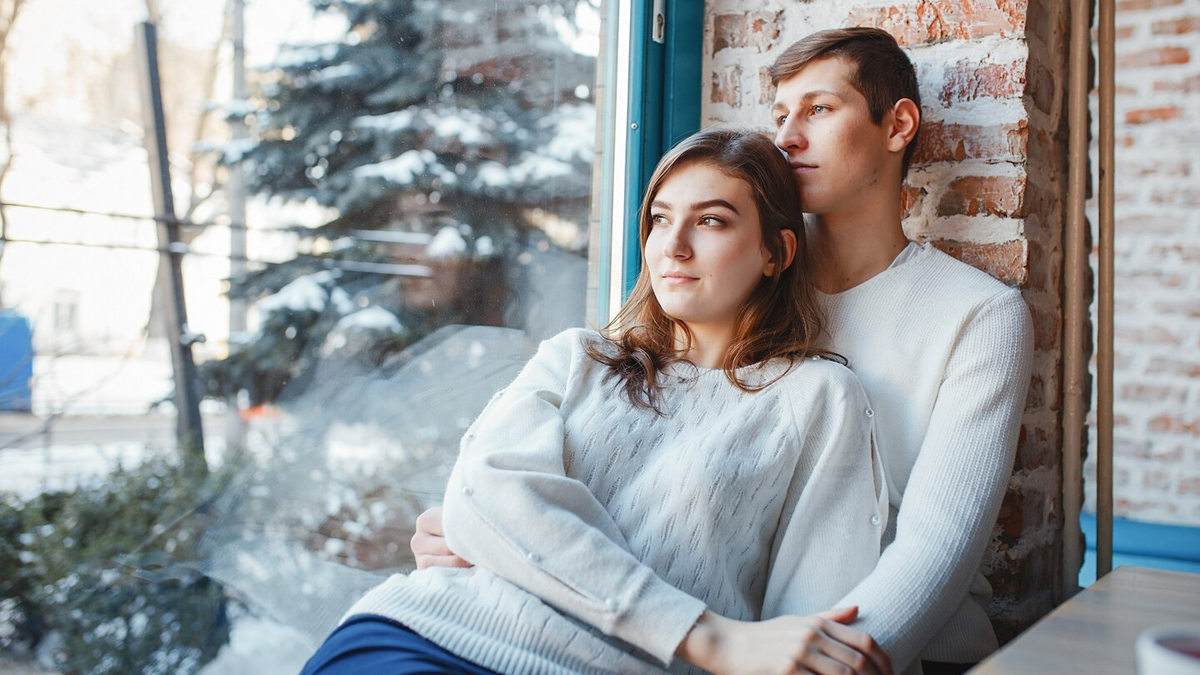
Is there a psychological reason behind cuffing? “Yes, psychological shifts during colder months can drive someone towards seeking companionship because shorter days, less sunlight, and colder weather can lower mood and energy. People may naturally look for warmth, comfort, and emotional support. Loneliness can feel stronger when outdoor activities reduce and social plans become fewer, making the idea of having a partner feel more appealing,” shares the expert.
 cuffing inside 2
“Festive seasons can also create pressure or desire to share moments with someone, increasing the need for closeness. The brain’s response to low sunlight can reduce feel-good chemicals, which may make people crave connection. So, many individuals seek companionship in winter as a normal emotional reaction to wanting support and bonding during a quiet and low-energy season,” concludes Dr Shree KR.
Also Read: Is Beard Baiting The Latest Dating Trend? Check Out
The Final Word
Cuffing refers to the dating trend where people seek companionship in colder months. It is not always a sign of impulsive behaviour or emotional instability. But when people feel lonely during winter and want quick emotional comfort, this can lead to fast decisions that may not be fully thought through. However, many people indulge in cuffing simply because they enjoy companionship in colder months, not because they are unstable.
FAQ
What is cuffing in dating?
Cuffing in dating means finding a partner for a short-term, exclusive relationship to get through the colder, winter months, typically from autumn until spring.Why is it called cuffing season?
It's called ‘cuffing season’ because the term is a metaphor for ‘handcuffing’ or metaphorically tying yourself down to a partner during the colder months of fall and winter.How long does a cuffing relationship last?
Relationships formed during cuffing season typically last a few months, but there's no hard set rules.
All possible measures have been taken to ensure accuracy, reliability, timeliness and authenticity of the information; however Onlymyhealth.com does not take any liability for the same. Using any information provided by the website is solely at the viewers’ discretion. In case of any medical exigencies/ persistent health issues, we advise you to seek a qualified medical practitioner before putting to use any advice/tips given by our team or any third party in form of answers/comments on the above mentioned website.
How we keep this article up to date:
We work with experts and keep a close eye on the latest in health and wellness. Whenever there is a new research or helpful information, we update our articles with accurate and useful advice.
-
Current Version
Jan 03, 2026 13:43 IST
Modified By : Chanchal Sengar Jan 03, 2026 13:43 IST
Modified By : Chanchal SengarJan 03, 2026 13:43 IST
Published By : Shruti Das
Reviewed By : Dr Divya Shree K R