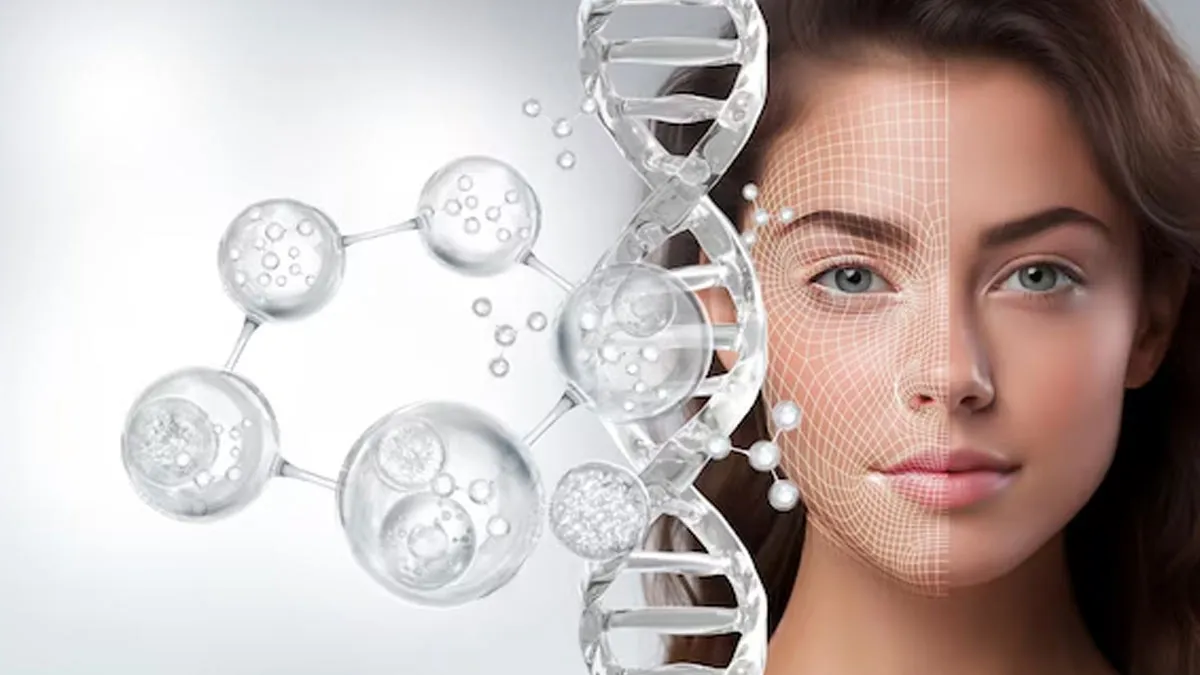
From glowing skin gummies to miracle anti-ageing pills, the supplement aisle has become a tempting shortcut for anyone chasing flawless skin. However, to what extent do these supplements and capsules help, or are they just a clever packaging of worthless products, as claimed by our favourite creators and beauty influencers?
To understand if investing in these beauty products is even worth it, the editorial team of Onlymyhealth reached out to Dr Ruben Bhasin Passi, Consultant Dermatologist, CK Birla Hospital, Gurugram. She explained to us that supplements may have some value as a complement to the diet; however, not all supplements are scientific. Many people turn to them to have clearer skin, fewer wrinkles, and an end to conditions like acne and eczema but not all supplemental products live up to the hype. “As dermatologists, we put the priority on scientific proof, and some may work wonders but lack good scientific proof and are just a trend,” she asserted. Read ahead to know everything she shared with us.
Why Supplements Became So Popular
Modern lifestyle and habits are stressful and do not provide adequate nutrition. Add social media promises of glass skin in 30 days, and it’s easy to see why supplements feel like an easy fix. However, skin is a complex organ influenced by hormones, genetics, gut health, and environment, not just what you swallow.
ALSO READ- Can Hot Showers in Winter Really Damage Skin Barrier? Dermat Shares
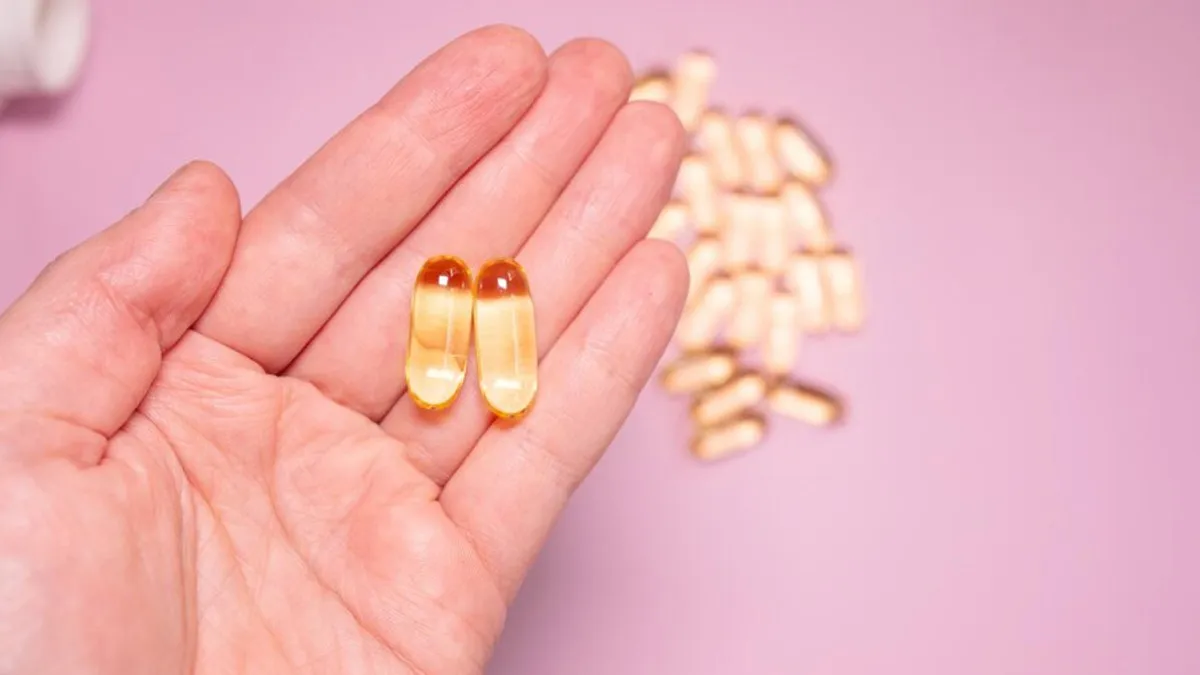 biotin
Skin Supplements that Actually Work
Dr Passi noted that some of the supplements are just hype while others are supported by good evidence and can be utilised effectively under proper medical supervision. Dr Passi recommended the following:
1. Niacinamide (Vitamin B3)
Niacinamide is one of the supplements that has strong scientific backing. Orally taken niacinamide has been revealed through large clinical trials to lower the incidence of non-melanoma skin cancers by about 23%. It also suppresses inflammation and is ideal for people with acne and rosacea.
2. Zinc
Zinc is especially good for those who experience acne, as it reduces inflammation, suppresses acne-promoting bacteria, and does so for those who are already deficient. Zinc deficiency is also usually directly associated with acne.
3. Oral Collagen Peptides
Collagen was once thought to be a passing trend in the industry of beauty. “However, it has now gained more acceptance in the scientific community because of the findings that show its effectiveness in hydrating and elasticising the skin when used in conjunction with vitamin C,” Dr Passi noted.
4. Polypydium Leucotomos Extract
Also termed as an internal sunscreen, Polypodium leucotomos extract has shown the ability to protect against UV rays, in addition to preventing UV-induced skin damage in combination with sunscreen creams.
5. Omega-3 Fatty Acids
Fish oil supplements contain omega-3 fatty acids that help in treating inflammation, such as that seen in psoriasis and/or eczema. “And, they work efficiently, and is definitely not just a hype.” Dr Passi emphasised.
ALSO READ- No Time For Skincare? Here’s A Minimalist Routine For Office-goers
 2
2
What Skin Supplements Are Mostly Hype?
Not all popular supplements are worth their popularity. Dermatologists find little use for biotin supplements that are very commonly promoted for hair, skin, and nails, unless in the case of a documented deficiency, which isn't common in people following a well-balanced diet. Dr Passi also shared that excessive exposure to biotin might also cause problems in blood tests, resulting in incorrect test results.
Additionally, beauty blends that include a combination of various vitamins with questionable dosing and without a doctor’s prescription may also be harmful and if not their effectiveness is uncertain.
Dermatologist-approved Guide to Skin Supplements
Dr Passi stressed that supplements should never replace the basics. A nutrient-rich diet, sun protection, proper skincare, and treatment of underlying skin conditions should be enough for an individual’s skin care routine. “Quality also matters; poorly regulated supplements may contain inconsistent or ineffective ingredients,” she added.
The best way to take supplements, according to Dr. Passi, is to correct a specific deficiency rather than taking them for general health benefits. This also explains why the effectiveness of supplements differs from one individual to another.
Bottomline
Supplements can support skin health when chosen wisely, but they are helpers, not miracles. What works for your friend might not work for you. Evidence, dosage, and individual need matter far more than trends.
FAQ
Q1. Are supplements a replacement for skincare products?
No, supplements help promote healthy skin from the inside, while external skin care is also important.Q2. For how long do supplements take to work?
All the science-backed nutritional supplements require approximately eight to 12 weeks to show efficacy.3. Do all people require skin supplements?
Not necessarily. They are most effective if there is a deficiency, and it’s important to always consult a dermatologist before starting any supplement.
All possible measures have been taken to ensure accuracy, reliability, timeliness and authenticity of the information; however Onlymyhealth.com does not take any liability for the same. Using any information provided by the website is solely at the viewers’ discretion. In case of any medical exigencies/ persistent health issues, we advise you to seek a qualified medical practitioner before putting to use any advice/tips given by our team or any third party in form of answers/comments on the above mentioned website.
How we keep this article up to date:
We work with experts and keep a close eye on the latest in health and wellness. Whenever there is a new research or helpful information, we update our articles with accurate and useful advice.
-
Current Version
Dec 22, 2025 17:20 IST
Modified By : Tanya Srivastava Dec 22, 2025 17:20 IST
Modified By : Tanya SrivastavaDec 22, 2025 17:20 IST
Published By : Tanya Srivastava
Reviewed By : Dr Ruben Bhasin Passi