Not Sad, Not Happy, Just Emotionally Numb? It Could Be A Sign Of Depression

Everyone who is depressed doesn't have to feel depressed all the time. A variation of this occurs in some people. They generally do not feel very sad, but very not happy. It can be a dull day, distant emotions and activities that were once exciting may not matter anymore.
This is a feeling that is hard to articulate, particularly when things seem fine to those on the outside. It can be associated with stress, fatigue or other health-related issues. A lack of enjoyment or fun, however, can also be a symptom of depression.
Can You Have Depression Without Feeling Sad?
Yes. Depression does not always involve crying, visible sadness or feeling low throughout the day. Dr Murali Krishna, Visiting Consultant, Psychiatry and Counselling Services, Aster RV Hospital, Bangalore explains, “depression doesn't always manifest as sadness, but sometimes as a numbness or a flatness of emotion like emotions turned down.”
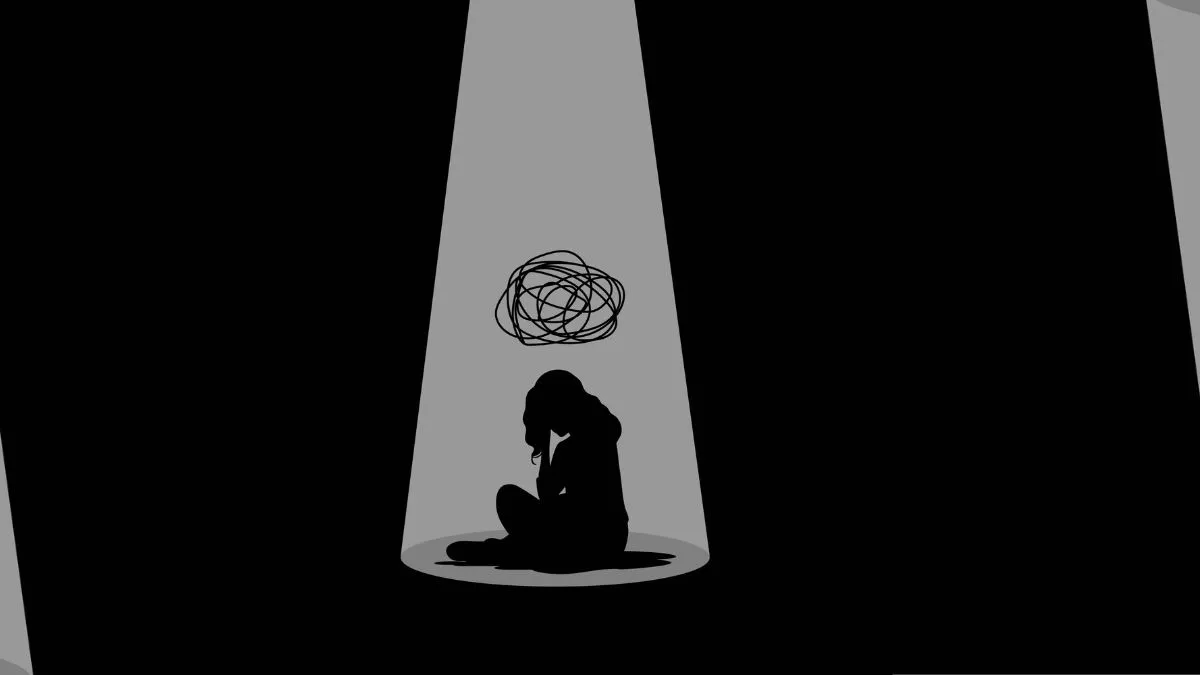
One symptom, called anhedonia, is a decreased capacity to experience pleasure or interest in activities, partly responsible for this. There is a person who goes on with his daily life, goes to work, goes to friends, sticks to his regular routine, but these things no longer feel good.
Why Does Depression Sometimes Feel Like Nothing At All?
Emotions have relationships with a number of other brain processes, such as those relating to motivation and reward. These processes may alter in the event of depression. Things that were previously fun may no longer lead to the same level of satisfaction.
Dr Krishna refers to this phenomenon as “flat, empty or numb”.
Anhedonia can impact various aspects of life. For example:
- Food can be delicious, but it doesn't seem so good to eat.
- It can seem like a chore to see friends.
- The thrill of music, hobbies or entertainment might not come in the same package.
- When a goal is reached, it might not bring the same satisfaction as before.
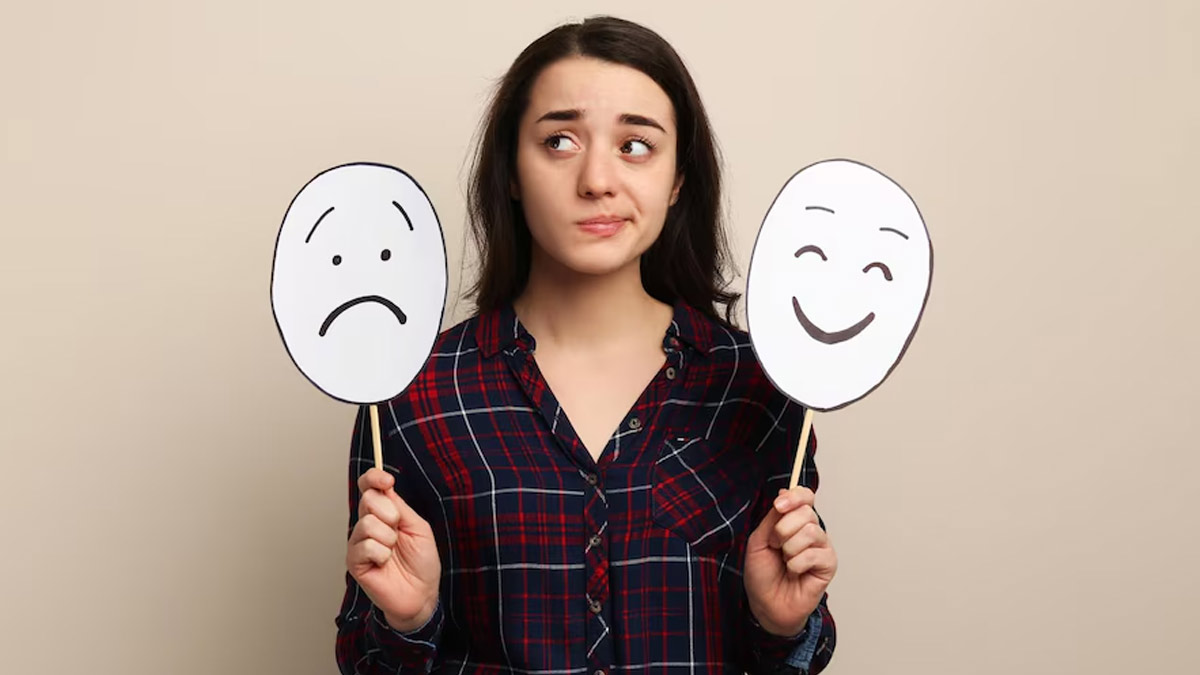
A 2024 review published in Nature Reviews Psychology, examined how reduced positive emotions and anhedonia are linked to changes in reward processing. The researchers noted that anhedonia is common in depression, anxiety and post-traumatic stress disorder. They also discussed why treatments may need to address the ability to experience positive emotions, not only reduce negative feelings.
Emotional numbness can also occur during prolonged stress, trauma or exhaustion. However, it should not automatically be treated as depression.
ALSO READ- Feeling Depressed At Night? Expert Tips That May Help You Feel Better
What Other Signs Could Point Towards Depression?
A person may continue with daily responsibilities while experiencing several less obvious symptoms. These can affect their work, relationships and ability to look after themselves.
Dr Krishna says the experience may feel “as if emotions have been turned down”.
Other symptoms to watch for include:
- Losing interest in hobbies or activities that once felt enjoyable
- Feeling tired or drained for much of the day
- Sleeping too little or sleeping more than usual
- Changes in appetite or body weight
- Difficulty concentrating or making decisions
- Avoiding friends and family
- Feeling worthless, guilty or hopeless
- Moving or speaking more slowly, or feeling unusually restless
- Repeated thoughts about death or self-harm
Not everyone experiences all these symptoms. Their frequency, duration and effect on daily life matter when a mental health professional assesses depression.
What Else Could Make You Feel Emotionally Numb?
Not feeling happy or feeling sad are not a sign of depression. There are some other factors that can influence the way you feel.
Dr Krishna cautions that “this does not always mean depression”.
Possible explanations include:
- Burnout: When a person is mentally exhausted due to long periods of work stress or caregiving.
- Anxiety: Troublesome worry can affect relaxation and enjoyment of the here and now.
- Grief or trauma: For some, emotional reactions may be challenging for a long period of time after a difficult experience.
- Persistent depressive disorder: This is a persistent pattern of depressive symptoms, at least 2 years in adults.
- Sleep issues: Difficulty sleeping or sleep apnoea may have an impact on energy and mood.
- Medications: Fatigue or mood changes may be caused by medical conditions, such as an underactive thyroid, anaemia or vitamin deficiencies.
- Medicines: Certain antidepressants can cause emotional blunting in some.
- Alcohol or substance use: This may impact mood/emotional status.
A health care provider is able to help determine the cause. They might check your medical history, medications, and sleeping patterns and suggest blood work if necessary.
How Can You Tell If It Is Depression Or A Temporary Flat Phase?
Everyone can get exhausted after a tough week or a stressful event in their life. If the feeling continues and starts interfering with daily life, this is a cause for concern.
If it persists then it should be addressed, as Krishna says.
Consider these questions:
- Has there been a feeling that has been present for at least 2 weeks?
- Do you no longer enjoy what you used to like to do?
- Is it affecting your work, studies or relationships?
- Are there changes in your sleep, eating or energy levels?
- Are you feeling alienated from others or from your normal life?
Depression is typically diagnosed when feelings of depression are present most of the day, everyday, for at least two weeks in a row. The diagnosis also depends on the number of symptoms and the effect that this has on daily functioning. Length of time is not evidence of depression.
What Can Help When You Feel Emotionally Flat?
The first step is to accept change, rather than ignore it. Don't wait till you feel really bad to get help. Dr Krishna says that “emotional numbness that persists is deserving attention”.

Here are a few things that can be done:
- Discuss it: Consult with someone you trust about how you're feeling.
- Have a schedule: If possible, go to bed and get up at the same time every day, and eat at the same time every day.
- Do small activities: Taking a walk, listening to music or going for a friend might help you become more connected to your normal life.
- Be physically active: Slight and regular exercise promotes mental health.
- Reduce alcohol: This could make the mood more negative and disrupt sleep.
- Try professional support: Therapy, such as cognitive behavioural therapy, can be helpful. Medications may also be discussed depending upon the diagnosis and severity by a doctor.
Do not start or stop antidepressants without medical advice. If a medicine seems to be causing emotional blunting, discuss it with the prescribing doctor.
ALSO READ- Men Losing Interest In Hobbies But Going To Work? Experts Explain The Signs Of Anhedonia
When Should You Seek Professional Help?
If emotional numbness continues for more than two weeks, becomes more intense or affects your ability to manage daily life, speak to a mental health professional. You can also consult a doctor to rule out physical causes. Dr Krishna's central message is that feeling emotionally flat should not be ignored when it persists.
Seek help immediately if you have thoughts of self-harm, suicide or feel that life is not worth living. In India, the government’s Tele-MANAS service provides free, round-the-clock mental health support at 14416.
Depression can be treated. Getting help early can make it easier to understand what is happening and find the right support.
FAQ
1. Can emotional numbness affect your relationships?
Yes. Someone experiencing emotional numbness may find it difficult to express affection, excitement or interest. They may also withdraw from conversations and social activities.2. Can you experience anhedonia even when your life is going well?
Yes. Anhedonia can occur even when there is no obvious external problem. A person may have a stable job, supportive relationships and a comfortable routine but still struggle to experience pleasure.
All possible measures have been taken to ensure accuracy, reliability, timeliness and authenticity of the information; however Onlymyhealth.com does not take any liability for the same. Using any information provided by the website is solely at the viewers’ discretion. In case of any medical exigencies/ persistent health issues, we advise you to seek a qualified medical practitioner before putting to use any advice/tips given by our team or any third party in form of answers/comments on the above mentioned website.
How we keep this article up to date:
We work with experts and keep a close eye on the latest in health and wellness. Whenever there is a new research or helpful information, we update our articles with accurate and useful advice.
-
Current Version
Nov 24, 2026 12:33 IST
Published By : Vivek Kumar
Reviewed By : Dr Murali Krishna