

Retinol is one of the most loved skincare ingredients. It is known for its anti-ageing benefits. While it is known for its positive effects, one aspect which often goes unnoticed is that it may not be safe when applied around the eyes. But as believed by many, can retinols actually trigger dry eye syndrome? Let’s find out.
Table of Content:-
To get an expert view, we reached out to Dr Swati Mohan, Director Dermatology, Fortis Hospital Faridabad. Read on.
Can Retinol Serums Cause Dry Eye Syndrome?
Retinol is a powerful vitamin A derivative, known for improving skin texture, boosting collagen, and reducing pigmentation. But is applying them around your eyes risky? Our expert answers.
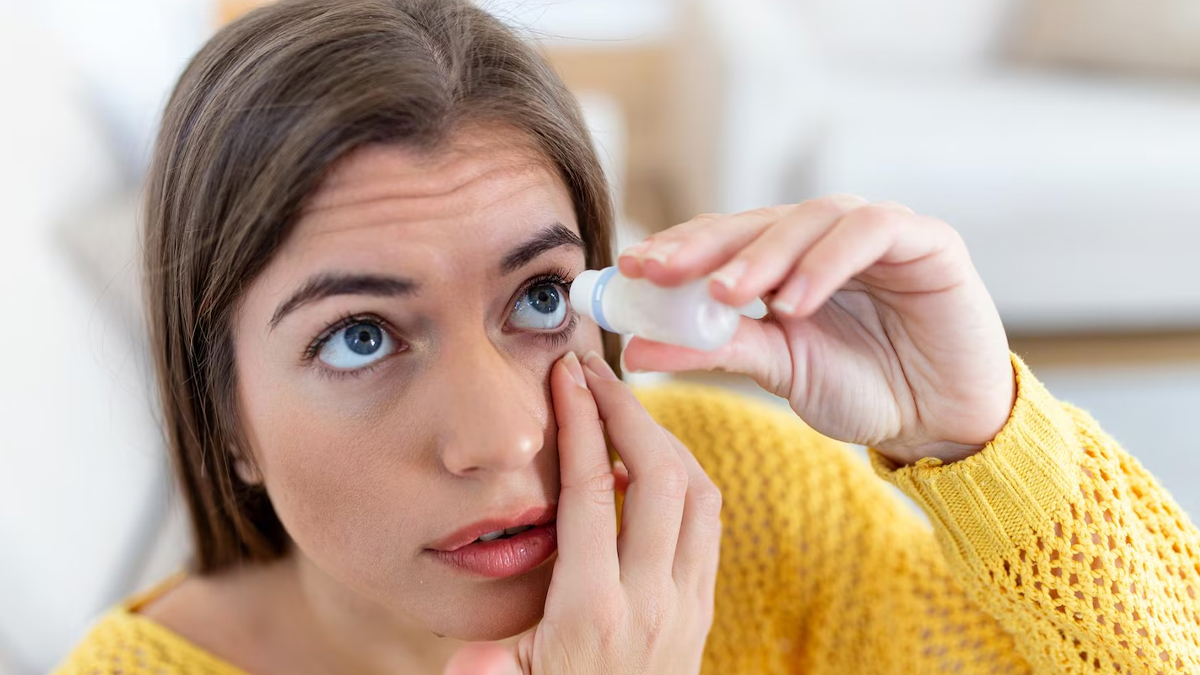
“When used near the eyes, it can sometimes lead to irritation that may contribute to symptoms resembling dry eye syndrome. This happens because the skin around the eyes is thin and highly sensitive. Retinol can disrupt the natural moisture barrier, causing dryness, redness, burning, or tightness. In some individuals, microscopic flakes from irritated eyelid skin can enter the tear film, making the eyes feel dry or watery. Additionally, retinol may unintentionally migrate into the eyes during sleep, leading to further discomfort,” explains Dr Mohan.
She continues further, “Although retinol does not directly cause dry eye syndrome in a medical sense, its irritating effects can mimic or aggravate dryness in people who already have sensitive eyes, wear contact lenses, or spend long hours in air-conditioned environments. Using strong strengths too frequently or layering retinol with other drying ingredients like exfoliating acids can increase this risk. Anyone who notices persistent irritation, stinging, or dryness after using retinol around the eye area should pause use and consult a dermatologist. Opting for gentle formulations or using a protective eye cream as a buffer can help reduce these symptoms. As with any active ingredient, tolerance varies from person to person, and a cautious, gradual approach is essential to avoid unnecessary irritation.”
Also Read: Eye Cream vs Eye Serum: Which Works Better for Dark Circles?
Should We Avoid Applying Retinol Around The Eyes?
So what is the final verdict? Can we apply retinol around our eyes or not? “The eye area is delicate and prone to faster moisture loss. So, many people question whether retinol should be used there at all. Retinol itself is not unsafe for the eye region, but it does require careful handling because the thin skin absorbs the ingredient more easily and reacts more quickly,” shares Dr Mohan.
She explains further, “Some dermatologists advise avoiding strong concentrations near the eyes unless an individual has already built good tolerance. Others recommend specially formulated eye creams that contain milder retinoids designed for sensitive skin. These versions are gentler and less likely to cause dryness or peeling. If someone chooses to use regular retinol near the eyes, it should be applied sparingly, keeping a small margin away from the lash line and avoiding the eyelids. Overuse can lead to irritation, puffiness, or redness that becomes difficult to manage.”
But what is the safest approach, for our eyes, to introduce retinol into our skincare routine? The expert breaks it down for us:
- For most users, the safest approach is to introduce the ingredient slowly and watch how the skin responds.
- Sandwich your retinol cream between your Moisturisers i.e. Moisturiser before and after retinol cream.
- Applying a hydrating eye cream first can create a protective barrier, reducing the risk of irritation. Ultimately, retinol can be used around the eyes, but only when introduced carefully with the right formulation and technique.
- Avoiding the area completely is not necessary for everyone, but respecting the sensitivity of this region is important to prevent discomfort and maintain healthy skin.
Side Effects Of Retinol When Applied Around Eyes
Retinol can provide benefits such as improved fine lines and smoother texture, but the under-eye region is highly reactive and often the first place to show signs of irritation. On this note, Dr Mohan shares the side effects of using retinol around eyes:
- The most common side effect is dryness, which may appear as flaking or a rough texture. This happens because retinol speeds up cell turnover, leading to temporary disruption of the skin barrier.
- Redness, stinging, and burning sensations can also occur, especially during the first few weeks of use or when applying too much product.
- Some individuals may experience increased puffiness caused by irritation.
- In rare cases, the skin may become so sensitive that even gentle moisturisers cause discomfort. Retinol can also make the eye area more vulnerable to sun sensitivity, so exposure without proper protection can worsen dryness or lead to pigmentation changes.
- For contact lens wearers, tiny flakes from irritated skin can enter the eyes and cause additional discomfort.
- Another potential issue is dermatitis, which presents as inflamed, itchy patches that may persist unless retinol use is discontinued.
- People with preexisting eye dryness may find that retinol worsens symptoms due to its dehydrating effect.
- These side effects are typically manageable by adjusting frequency, choosing lower concentrations, or using a richer moisturiser.
- Monitoring the skin and responding quickly to signs of irritation helps prevent long-term discomfort.

Tips To Safely Apply Retinol
Retinol can be highly effective for overall skin health when used correctly, and a few careful steps can significantly reduce irritation. Dr Mohan lists them down for us:
- Begin by choosing a low concentration and applying it once or twice at night in a week. This allows the skin to adapt gradually and build tolerance.
- Always apply retinol to clean, fully dry skin because damp skin can increase absorption and lead to heightened irritation.
- Use only a small amount, and keep it slightly away from the lash line and eyelids unless the product is specifically designed for the eye area.
- Buffering with a gentle eye cream or moisturiser beforehand helps create a protective cushion that reduces dryness.
- Follow retinol with a hydrating cream containing ingredients such as hyaluronic acid, ceramides, or peptides to maintain the skin barrier.
- Never combine retinol with other strong actives like exfoliating acids in the same routine, as this can cause excessive sensitivity.
- A strict morning sunscreen routine is essential because retinol makes the skin more vulnerable to ultraviolet light.
- If irritation occurs, decrease the frequency instead of stopping immediately, unless the reaction is severe.
- Always observe your skin’s response over time, increase usage slowly, and avoid applying retinol on days when the skin feels compromised or overly dry.
- With steady and gentle use, retinol can deliver consistent improvements, while keeping the delicate eye area comfortable.
What Is The Best Alternative For Retinol?
For individuals who prefer results similar to retinol but want to avoid irritation, several alternatives offer good efficacy with a gentler profile. “Bakuchiol is one of the most well-known options. Derived from the Babchi plant, it provides benefits related to fine lines, texture, and firmness without the dryness and sensitivity commonly linked to retinol. Another alternative is retinaldehyde, which is a milder form of vitamin A that converts more efficiently in the skin compared to standard retinol and tends to cause fewer side effects,” shares Dr Mohan.
She adds, “Peptide-based eye creams can also support collagen production and improve firmness, while being very well tolerated. Niacinamide is another effective ingredient that strengthens the skin barrier, evens tone, and reduces inflammation, making it suitable for individuals with sensitive skin. For hydration and plumping, hyaluronic acid offers instant comfort and enhances the appearance of fine lines caused by dehydration. Antioxidant-rich formulations containing vitamin C or green tea extract provide protection from environmental damage and can brighten the under-eye region. While none of these alternatives replicate retinol exactly, many users find them easier to incorporate consistently. Choosing the right option depends on individual skin tolerance, concerns, and long-term goals.”
Also Read: Are You Using ‘Skincare Superhero’ Retinol The Right Way? Expert Decodes
The Final Word
Retinol can provide benefits such as improved fine lines and smoother texture, but the under-eye region is highly reactive and often the first place to show signs of irritation. Some dermatologists advise avoiding strong concentrations near the eyes unless an individual has already built good tolerance.
Also watch this video
FAQ
Does retinol cause dryness?
Yes, retinol can cause dryness and flakiness as a side effect because it speeds up skin cell turnover, which can temporarily disrupt the skin's moisture barrier.Can you use retinol if I have dry eyes?
People who already have dry eye disease should avoid using retinol around the eyes, as it could worsen symptoms.Should you avoid retinol around the eyes?
It is generally not recommended to apply retinol directly on the eyelids.
How we keep this article up to date:
We work with experts and keep a close eye on the latest in health and wellness. Whenever there is a new research or helpful information, we update our articles with accurate and useful advice.
Current Version
Dec 23, 2025 17:51 IST
Published By : Shruti Das