
A handful of peanuts is often treated as a quick snack, but new research suggests it may have another benefit. Eating peanuts regularly could support certain brain functions linked to memory as people age. A study published in Food & Function found that daily consumption of unsalted, skin-roasted peanuts was associated with changes in insulin responsiveness in memory-related brain regions among older adults.
The findings are interesting, particularly because brain insulin signalling plays a role in memory and cognitive function. However, does this mean eating peanuts can protect against Alzheimer's disease or memory loss? Here is what the research actually found.
What Did The New Study Find About Peanuts And Memory?
The study, published in October 2026 in the journal Food & Function, was conducted by researchers at Maastricht University Medical Center in the Netherlands.
- It included 31 healthy older adults, with an average age of around 67 years. Participants followed two dietary phases:
- During the first phase, they consumed 60 grams of unsalted, skin-roasted peanuts every day for 16 weeks.
- During the control phase, they avoided peanuts for 16 weeks.
- An eight-week break separated the two phases.
 peanuts for brain
Researchers used brain imaging to assess changes in insulin responsiveness. They administered insulin through the nose and measured changes in blood flow in different brain regions using MRI.
The findings showed a potentially beneficial change in insulin responsiveness in parts of the right hemisphere. These areas included the hippocampus, parahippocampal gyrus and lingual gyrus, which are involved in memory-related processes.
The researchers suggested that these changes could help explain some of the cognitive benefits observed in earlier peanut research.
However, the study did not establish that eating peanuts prevents dementia or Alzheimer's disease. It also did not show that peanuts reverse existing memory problems.
ALSO READ- Does Your Body Remember Trauma? How Stored Stress Affects Health and How to Heal
How Can Eating Peanuts Every Day Benefit The Brain?
Peanuts contain several nutrients that support overall health, including unsaturated fats, plant-based protein, fibre, vitamins and minerals. They also contain L-arginine, an amino acid involved in the production of nitric oxide, which helps regulate blood vessel function.
Researchers believe these nutrients may work together to influence brain health. One area of interest is insulin signalling.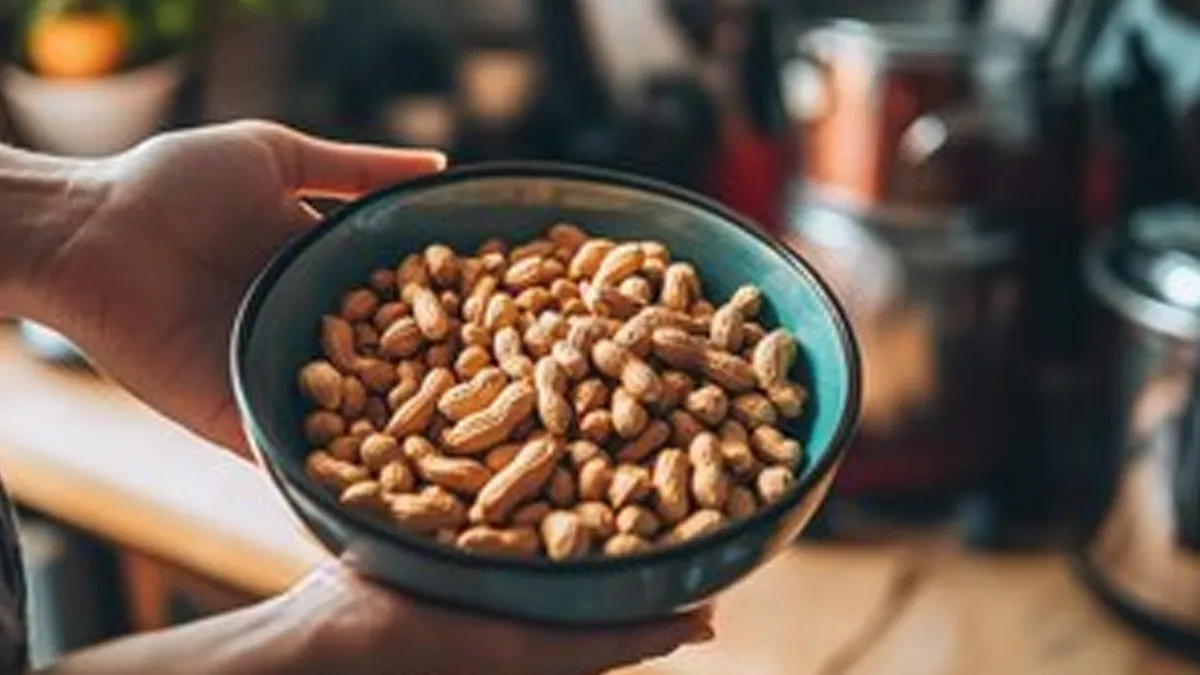 peanuts help brain
Insulin is commonly associated with blood sugar regulation. However, it also plays a role in the brain. It helps nerve cells grow, survive and communicate. These processes are important for memory and other cognitive functions.
As people age, the brain may become less responsive to insulin. Changes in this process have been linked to age-related cognitive decline. This is why researchers are exploring whether dietary habits can influence brain insulin activity.
How Much Peanuts Did Participants Eat Every Day?
- Participants consumed 60 grams of unsalted, skin-roasted peanuts daily. This is approximately two servings.
- They could eat the peanuts in the morning or afternoon. They could also divide the quantity throughout the day or include it in meals.
- The researchers supplied premeasured packets to keep the intake consistent.
This is an important detail because the findings relate specifically to unsalted, skin-roasted peanuts consumed in a controlled research setting. They should not automatically be applied to every peanut product, such as heavily salted or sugar-coated varieties.
Can Peanuts Improve Blood Flow And Memory?
The 2026 research builds on an earlier study by the same research group, published in Clinical Nutrition in 2025. That study also involved 31 healthy older adults who consumed 60 grams of skin-roasted peanuts daily for 16 weeks.
Researchers reported a 3.6% increase in overall cerebral blood flow and a 4.5% increase in blood flow in grey matter compared with the control period. Participants also showed a 5.8% improvement in verbal memory during a delayed recall test.
However, the study did not find improvements in every area of cognitive performance. Executive function and psychomotor speed did not show significant benefits.
Together, the studies provide early evidence that regular peanut consumption may influence brain blood flow and insulin-related activity. More research is needed to understand whether these changes lead to meaningful long-term improvements in memory.
Does This Mean Peanuts Can Prevent Alzheimer's Disease?
No. The findings should not be interpreted as proof that peanuts prevent Alzheimer's disease.
The new study examined changes in brain insulin responsiveness, not the development or prevention of dementia. It also involved a small group of healthy older adults and lasted 16 weeks. peanutes and alzeimers disease
The researchers noted that several nutrients in peanuts may contribute to the observed effects. However, the study does not establish which nutrient is responsible.
It is also worth noting that the 2026 research received funding from The Peanut Institute Foundation. The researchers stated that the organisation did not participate in the study's design, analysis or interpretation.
How Can You Include Peanuts In Your Daily Diet?
- Peanuts can be included as part of a balanced diet. Some simple ways to eat them include:
- Have a small portion of unsalted, roasted peanuts as a mid-morning snack.
- Add crushed peanuts to salads or homemade vegetable dishes.
- Mix them with oats or yoghurt for added texture and protein.
- Use natural peanut butter without added sugar or excess salt.
Peanuts are energy-dense, so portion size matters. People with peanut allergies should avoid them. Those managing specific health conditions or dietary restrictions should seek advice from a healthcare professional.
ALSO READ- Why Does Burnout Make You Forget Simple Things? A Psychiatrist Explains
Conclusion
Eating peanuts may offer benefits beyond nutrition, with early research suggesting a possible link to brain insulin activity and memory-related functions in older adults. However, a small study cannot establish that peanuts prevent memory loss or Alzheimer's disease. They can be part of a balanced diet, but should not be treated as a substitute for medical care or other healthy ageing habits.
FAQ
Are raw peanuts better for brain health than roasted peanuts?
The 2026 study examined unsalted, skin-roasted peanuts. It did not compare raw peanuts with roasted varieties, so it cannot establish which is better for brain health.Can eating peanuts improve memory in younger adults?
The research focused on healthy older adults. It does not establish whether the same effects occur in younger people. More studies involving different age groups are needed.
All possible measures have been taken to ensure accuracy, reliability, timeliness and authenticity of the information; however Onlymyhealth.com does not take any liability for the same. Using any information provided by the website is solely at the viewers’ discretion. In case of any medical exigencies/ persistent health issues, we advise you to seek a qualified medical practitioner before putting to use any advice/tips given by our team or any third party in form of answers/comments on the above mentioned website.
How we keep this article up to date:
We work with experts and keep a close eye on the latest in health and wellness. Whenever there is a new research or helpful information, we update our articles with accurate and useful advice.
-
Current Version
Nov 02, 2026 17:18 IST
Published By : Vivek Kumar