
Dietary habits are witnessing a major shift. Ancient grains like bajra and jowar are making a comeback. Our previous generations raved about these millet superfoods, which are known for their varied health benefits. Bajra and jowar rotis are quite well-known. But one question that is often asked by people is – which roti is better when it comes to weight loss, especially in winter? Today, we will answer this for you.
To get an expert point of view on this, the editorial team of OnlyMyHealth reached out to Dr Geetika Chopra, Celebrity Holistic Nutritionist.
Can Bajra Roti Help In Weight Loss?
Bajra is also known as Pearl Millet (Pennisetum glaucum). It is a highly nutritious, gluten-free, whole-grain millet and is consumed widely in India and Africa. So does bajra roti actually help in weight loss? Our expert answers.
“Yes, bajra (pearl millet) roti can support weight loss, especially in winter. Bajra is rich in dietary fibre, iron, magnesium, and complex carbohydrates. Its high fibre content slows digestion, keeps you full for longer, and helps control appetite. In colder months, bajra’s warming nature also supports better digestion and energy expenditure, which indirectly helps with fat loss when portions are controlled,” shares Dr Chopra.
On this note, let us take a look at the key nutrient content of bajra (per 100g approx):
- Protein: 10-12g (great for vegetarians)
- Iron: 8mg+
- Fiber: 8-9g
- Zinc: 2-3g
- Contains Magnesium and Potassium too, both of which are vital for daily function.
- Gluten-free and easy to digest.
 bajra vs jowar 3
Can Jowar Roti Help In Weight Loss?
Now let us talk about jowar. It is also known as sorghum, which is a nutrient-dense, gluten-free grain and is rich in complex carbs, fiber, and plant-based protein. So does jowar roti help in weight loss as well? Let’s find out.
“Yes, jowar (sorghum) roti is also excellent for weight loss. Jowar is gluten-free, high in fibre, and has a relatively low glycaemic index. It helps maintain stable blood sugar levels, reduces insulin spikes, and prevents sudden hunger cravings. For people with diabetes, PCOS, or insulin resistance, jowar is often easier to manage for long-term weight control,” explains Dr Chopra.
Here’s a look at the nutrient benefits of jowar per 100g:
- Calories: 329 kcal
- Carbohydrates: 72.1 g
- Protein: 10.4 g
- Fat: 3.1 g
- Dietary Fiber: 6.7 g
- Iron: 4.1 mg
- Calcium: 13 mg
- Magnesium: 168 mg.
ALSO READ- Ragi, Jowar, Or Wheat: A Dietician’s Guide To Choosing The Healthiest Roti
Jowar Vs Bajra: Which Is Better For Winter Weight Loss?
According to a 2021 study, the consumption of millets can reduce total cholesterol, triacylglycerols (commonly known as triglycerides) and BMI. The findings analysed data from 19 studies with nearly 900 people. The study was published in Frontiers in Nutrition.
Now, let us address the main question – which of these millets is the best option when it comes to weight loss in winter? Our expert reveals. “Both are healthy, but the better option depends on the individual. In winter, bajra is often more suitable for people with cold sensitivity, low iron, or weak digestion because it is warming and more energy-dense. Jowar works better for those with acidity, sensitive digestion, or blood sugar issues. For sustainable weight loss, grain rotation works better than choosing only one,” answers Dr Chopra.
But which is the healthiest roti of all for weight loss? “There is no single ‘best’ roti,” says the expert. She adds that the healthiest roti for weight loss is one that:
- It is high in fibre.
- Keeps blood sugar stable.
- It is digested comfortably.
“Millets like jowar, bajra, ragi, and barley (jau) are generally better than refined wheat, especially when portions are controlled and paired with protein and vegetables,” shares Dr Chopra.
Aspect |
Bajra Roti (Pearl Millet) |
Jowar Roti (Sorghum) |
Calories (per 100g) |
Approx. 361 kcal |
329 kcal |
Protein |
10–12 g |
10.4 g |
Carbohydrates |
Complex carbs, slower digestion |
72.1 g complex carbs |
Dietary Fiber |
8–9 g |
6.7 g |
Fat |
Low |
3.1 g |
Iron |
8 mg+ |
4.1 mg |
Calcium |
Moderate |
13 mg |
Magnesium |
Good amount |
168 mg |
Other Nutrients |
Zinc 2–3 g, potassium |
Plant-based protein, low GI |
Benefits for Weight Loss |
Keeps full longer, warming effect, supports digestion in winter |
Stabilizes blood sugar, reduces cravings, good for diabetes/PCOS |
Best For |
Cold-sensitive people, low iron, weak digestion |
Sensitive digestion, acidity, blood sugar issues |
Risks / Disadvantages |
May cause bloating or heaviness if overconsumed |
May cause gas if fiber increased suddenly; low energy if protein/fat insufficient |
Gluten-Free |
✅ |
✅ |
Overall Winter Weight Loss Suitability |
High, warming, energy-dense |
Moderate to high, easier on blood sugar |
 bajra vs jowar 2
What Are The Risks And Disadvantages Of Bajra?
On this note, Dr Chopra shares the pros and cons of bajra. Let’s have a look at it:
Benefits:
- Bajra improves satiety.
- It supports gut health.
- It provides iron and magnesium.
- It keeps the body warm in winter.
- It is beneficial for people with anaemia and those doing physical activity.
Risks:
In excess, bajra can cause bloating or heaviness, especially in people with sensitive digestion or thyroid issues. Portion control and proper cooking are important.
 bajra vs jowar 1
What Are The Risks And Disadvantages Of Jowar?
Jowar too comes with its own set of pros and cons. Dr Chopra jots them down for us:
Benefits:
- Jowar supports weight loss by improving insulin sensitivity.
- It keeps blood sugar stable.
- It provides long-lasting energy.
- It is gluten-free and gut-friendly for many people.
Risks:
Overconsumption without enough protein or fat can lead to low energy. Some people may experience gas if fibre intake is increased suddenly.
ALSO READ- Why Should Bajra Be Your Go To Millet In Winters? How To Incorporate It
The Final Word
The debate of jowar vs bajra roti for weight loss has been a long-standing one. Each has its own uniqueness. Jowar is slightly lower in calories and fat, while bajra offers more micronutrients. The ‘best’ choice depends on one’s individual preference. Grain rotation is better than choosing only one of them, as it is the best for sustainable weight loss.
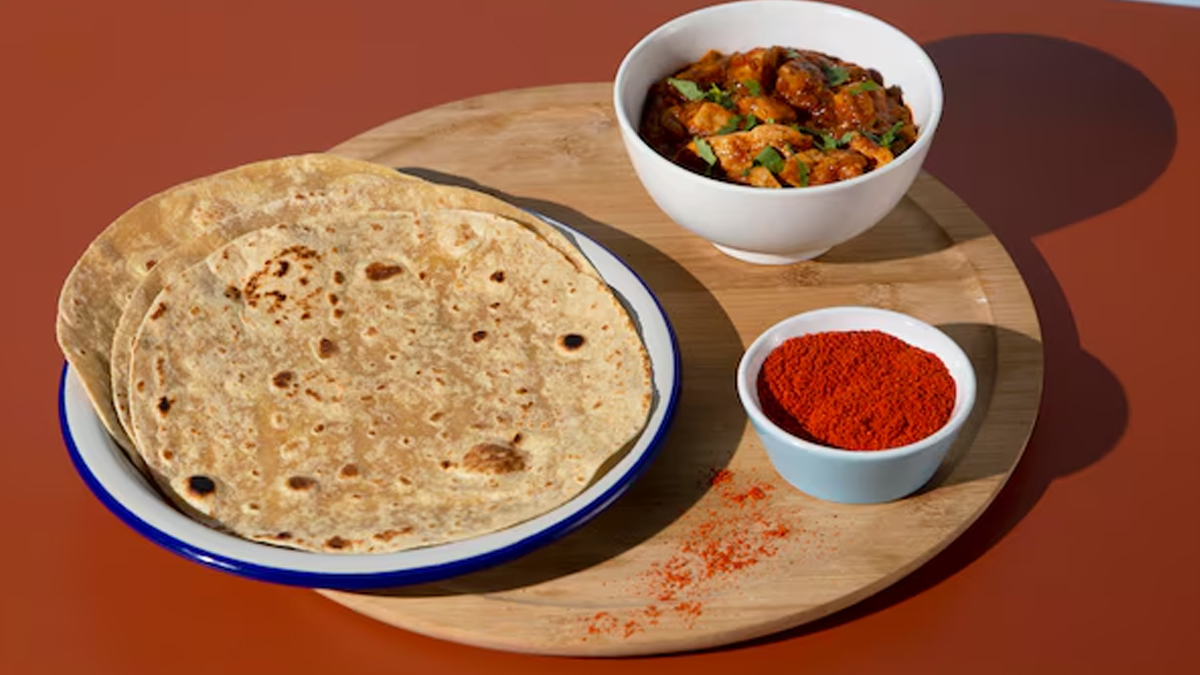
(The main image has been created using NanoBanana).
FAQ
Which is better for weight loss, bajra or jowar?
Grain rotation is better than choosing only one of them, as it is the best for sustainable weight loss.Can we eat bajra during weight loss?
Daily consumption of bajra roti may provide a practical means to support weight loss.Who should avoid bajra?
People with thyroid problems (especially hypothyroidism), severe digestive issues like IBS or Crohn's disease, or kidney stones should avoid bajra.
All possible measures have been taken to ensure accuracy, reliability, timeliness and authenticity of the information; however Onlymyhealth.com does not take any liability for the same. Using any information provided by the website is solely at the viewers’ discretion. In case of any medical exigencies/ persistent health issues, we advise you to seek a qualified medical practitioner before putting to use any advice/tips given by our team or any third party in form of answers/comments on the above mentioned website.
How we keep this article up to date:
We work with experts and keep a close eye on the latest in health and wellness. Whenever there is a new research or helpful information, we update our articles with accurate and useful advice.
-
Current Version
Feb 06, 2026 15:18 IST
Modified By : Shruti Das Feb 06, 2026 15:18 IST
Modified By : Shruti DasFeb 06, 2026 15:18 IST
Modified By : Shruti DasFeb 06, 2026 15:18 IST
Published By : Shruti Das
Reviewed By : Dr Geetika Chopra