

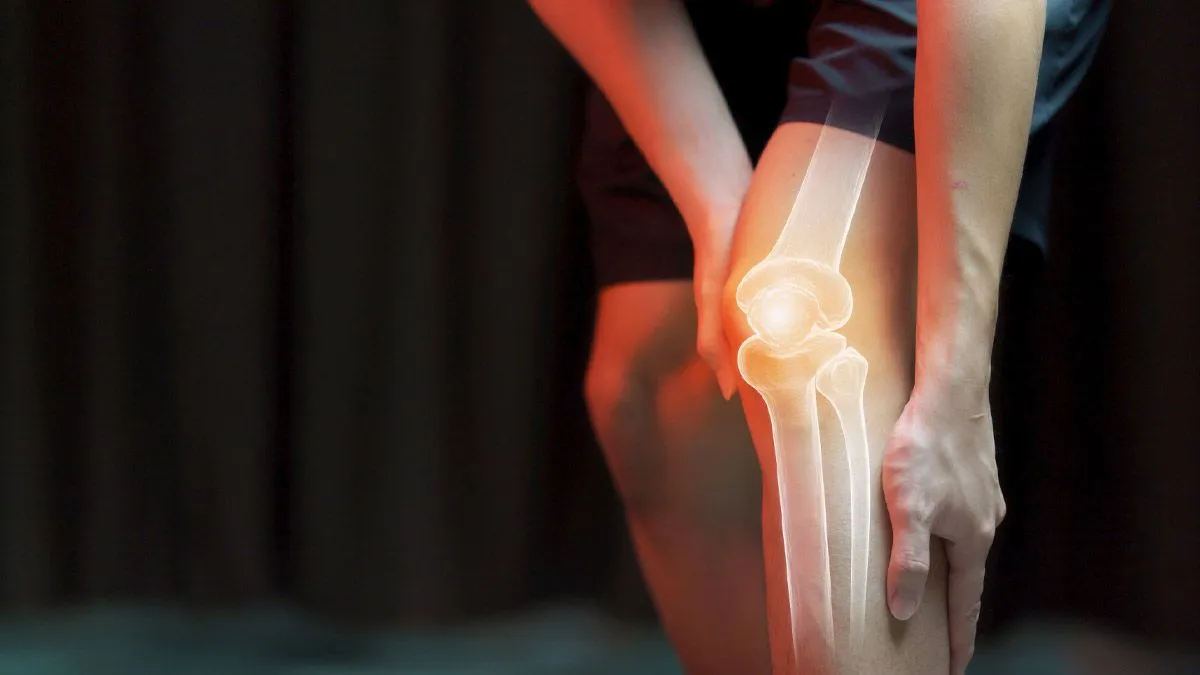
High uric acid levels, also known as hyperuricemia, can lead to several health issues, including gout, kidney stones, and joint pain. While medications and dietary changes are often prescribed to manage this condition, yoga offers a natural and holistic approach to controlling uric acid levels.
Table of Content:-
In an exclusive interaction with Onlymyhealth, we asked our expert Dr Shrey Kumar Srivastav, Senior Consultant and Physician at Sharda Hospital, Noida, about the connection between yoga and uric acid control and he shared effective yoga asanas to help you manage this condition naturally.
Understanding Uric Acid And Its Effects
Uric acid is a waste product formed when the body breaks down purines, which are substances found in certain foods and drinks. Normally, uric acid dissolves in the blood and is eliminated through the kidneys. However, when the body produces too much uric acid or fails to eliminate it properly, it can accumulate in the bloodstream, leading to health complications. Factors contributing to high uric acid levels include:
- A diet rich in purines (e.g., red meat, shellfish, sugary beverages)
- Obesity
- Certain medical conditions (e.g., diabetes, hypertension)
- Genetics
Also Read: Can Pimple Breakouts Be A Symptom of Skin Cancer?
Role Of Yoga In Managing Uric Acid Levels
“Yoga can support the body’s natural detoxification processes, improve blood circulation, and enhance kidney function, all of which contribute to maintaining healthy uric acid levels,” explained Dr Srivastav. Additionally, yoga helps reduce stress, a known trigger for inflammation and other health issues. By incorporating specific yoga asanas into your routine, you can naturally manage uric acid levels and promote overall well-being.
Yoga Asanas To Control Uric Acid Naturally
Here are some effective yoga poses to help regulate uric acid levels:
1. Trikonasana (Triangle Pose)
This pose improves digestion and stimulates the kidneys, aiding in the removal of toxins, including excess uric acid.
How To Perform:
- Stand with your feet wide apart.
- Extend your arms at shoulder height.
- Bend sideways, placing one hand on your ankle or shin and the other toward the sky.
- Hold the pose for 20-30 seconds on each side.
Also Read: India To Be Malaria-Free By 2030," Says Health Ministry | Tips To Reduce Your Risk
2. Bhujangasana (Cobra Pose)
The cobra pose enhances kidney function and promotes detoxification.
How to Perform:
- Lie on your stomach with your hands under your shoulders.
- Slowly lift your chest, arching your back.
- Keep your elbows slightly bent and gaze upward.
- Hold for 15-20 seconds and repeat 2-3 times.
3. Pawanmuktasana (Wind-Relieving Pose)
This pose helps alleviate digestive issues and promotes the expulsion of toxins.
How to Perform:
- Lie on your back.
- Bring one knee to your chest and hold it with your hands.
- Press the knee gently into your abdomen.
- Hold for 15-20 seconds and switch sides.
4. Ardha Matsyendrasana (Half Lord of the Fishes Pose)
A twisting pose that stimulates the kidneys and liver, aiding in detoxification.
How to Perform:
- Sit with one leg extended and the other bent, crossing over the extended leg.
- Twist your torso toward the bent knee and place your hand behind you for support.
- Hold for 20-30 seconds on each side.
5. Setu Bandhasana (Bridge Pose)
This pose improves blood circulation and stimulates the kidneys.
How to Perform:
- Lie on your back with your knees bent and feet flat on the ground.
- Lift your hips toward the sky, keeping your shoulders grounded.
- Hold for 20-30 seconds and repeat 2-3 times.
Bottomline
Yoga offers a safe and effective way to manage high uric acid levels naturally. By incorporating these asanas into your daily routine and making mindful lifestyle choices, you can improve your overall health and reduce the risk of complications associated with hyperuricemia. Always consult with a healthcare professional before starting any new exercise or wellness program, especially if you have underlying health conditions.
Also watch this video
How we keep this article up to date:
We work with experts and keep a close eye on the latest in health and wellness. Whenever there is a new research or helpful information, we update our articles with accurate and useful advice.
Current Version
Dec 01, 2025 21:00 IST
Published By : Tanya Srivastava