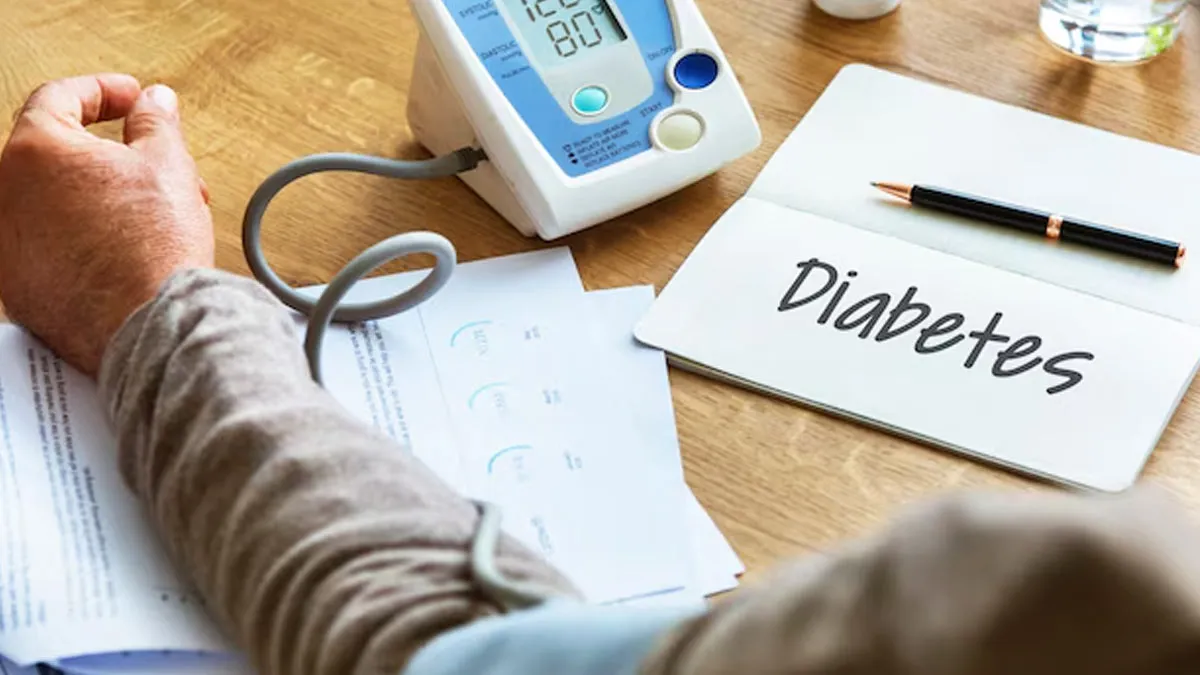
From diabetes, obesity, hypertension to fatty liver – lifestyle diseases are on the rise in India. And there seems to be no end to it. Along with lifestyle changes, what we need more than ever is awareness about metabolic disorders and what causes them. Speaking about metabolic disorders, do you know what insulin resistance is? What if we tell you that it is one of the hidden health threats which is the cause behind some of the deadly lifestyle diseases. And yet, people have no idea what it is! Karan Sarin, certified metabolic health coach and content creator, aims to bring more attention to this with his newly-released book, Sick Nation: Inside India’s Lifestyle Disease Epidemic and How to Fix It.
In an exclusive interaction with the editorial team of OnlyMyHealth, Sarin speaks about insulin resistance and why it remains a hidden threat and a silent killer. Read ahead.
 karan inside 2
What Is Insulin Resistance?
Before diving deep, let us tell you what insulin resistance is. “Insulin is actually a hormone that is produced by our pancreas, as a response to manage blood sugar levels. Every time we consume carbohydrate, our glucose levels go up – and whenever it goes up, it causes various damages to our body. Our body tightly regulates glucose levels,” explains Sarin.
He continues, “In today’s lifestyle, our body puts an excess burden on our insulin because our blood sugar is always chronically high. And the factors which cause this are basically our lifestyle – the biggest is our diet. As the recent ICMR study also mentioned, 50-70% of Indians’ calories come from carbohydrates. Carbs are the most insulinogenic food. When our insulin levels are chronically high, our body reaches a limit. When the limit is crossed, our body’s cells – especially in muscles, fat, and liver – are unable to respond well to insulin; that is when we become insulin resistant.”
Why Insulin Resistance Remains A Threat
Someone may look healthy from outside, but still have insulin resistance. This is why it is often called a silent killer. Sarin explains why it happens.
“The worst part about insulin resistance is – for the first 5 years or so, it is completely asymptomatic. You may feel a little bit more lethargic or crash after a meal, but those could be easily mistaken for something else. The second reason is insulin resistance’s progression is slow. When you are declared diabetic, you feel your metabolic problems have started then, but no – diabetes is the outcome, but it takes 10-15 years of insulin resistance before you are declared diabetic,” explains the expert.
Sarin adds that instead of trying to treat a disease, we should focus on preventing it.
Also Read: Ways Blood Sugar Levels Affect Both Eggs and Sperm, Expert Explains
Which Tests Can Detect Insulin Resistance?
In insulin resistance’s case, early detection helps in prevention of metabolic disorder in the future – and prevention is always better than cure. So, how to know if you have insulin resistance?
“Firstly, there are certain clinical markers, and then there are blood markers. The markers which are telling signs are skin tags or skin discoloration. Tags are small skin growth, which usually happens in the under arms or groin area. Another clinical marker are skin patches – especially the back side of the neck. It appears as a velvety dark patch, which doesn’t go away even by washing. These two are the most telling signs of insulin resistance,” shares Sarin.
 karan inside 1
He continues further, “The next clinical marker is belly fat. When you are insulin resistant, the way your body stores fat changes. Then there are diseases such as fatty liver, high BP, PCOS and erectile dysfunction – all these are direct manifestations of insulin resistance.”
Shedding light on the blood tests which can detect insulin resistance, the expert says, “There are no at home machines that can do this test. It needs to be done in a lab. Fasting insulin is one. The second test is HOMA -IR – it takes into account fasting insulin and fasting glucose, and gives a complete picture. Lipid panel – triglyceride (TG) to HDL ratio.”
Also Read: Are Potatoes Really Bad for Type 2 Diabetes? Here’s What You Need To Know
The Final Word
Insulin resistance occurs when our body’s cells, especially in muscles, fat, and liver, stop responding well to insulin. It is said to be the trigger behind metabolic disorders such as diabetes. What makes it a hidden health crisis is that insulin resistance remains asymptomatic for years. Thus, one can detect it early with the help of tests and medical professionals.
FAQ
How do you fix insulin resistance?
Insulin resistance can be fixed with dietary changes, regular exercise, weight loss, quality sleep, and stress management.What are the symptoms of high insulin resistance?
Some of the symptoms include fatigue, sugar cravings, weight gain (especially belly fat), frequent urination, increased thirst, and dark, velvety skin patches.
All possible measures have been taken to ensure accuracy, reliability, timeliness and authenticity of the information; however Onlymyhealth.com does not take any liability for the same. Using any information provided by the website is solely at the viewers’ discretion. In case of any medical exigencies/ persistent health issues, we advise you to seek a qualified medical practitioner before putting to use any advice/tips given by our team or any third party in form of answers/comments on the above mentioned website.
How we keep this article up to date:
We work with experts and keep a close eye on the latest in health and wellness. Whenever there is a new research or helpful information, we update our articles with accurate and useful advice.
-
Current Version
Dec 24, 2025 13:18 IST
Modified By : Shruti Das Dec 24, 2025 13:18 IST
Modified By : Shruti DasDec 24, 2025 13:18 IST
Modified By : Shruti DasDec 24, 2025 13:18 IST
Published By : Shruti Das