

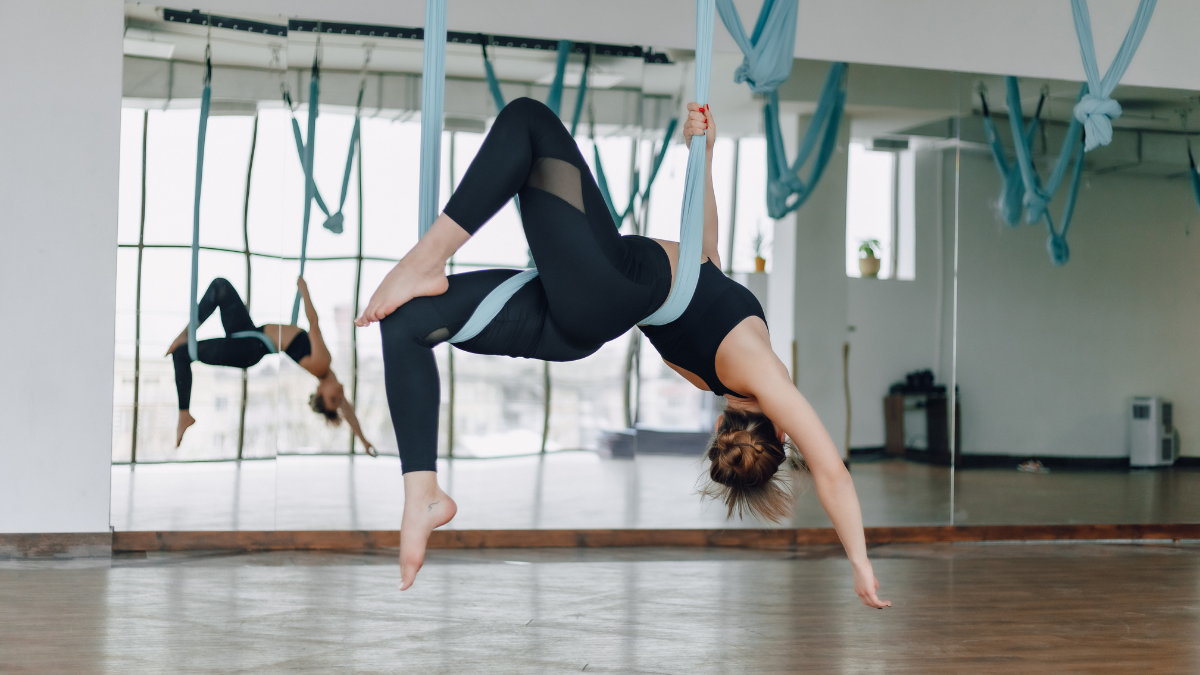
With fitness experts and celebrity stars such as Soha Ali Khan, Taapsee Pannu, and Vidya Malvade including aerial yoga in their regular routines, the trend of this hammock yoga has gained immense popularity worldwide. Aerial Yoga is a unique and fun form of traditional yoga, known for improving flexibility, mobility, and muscle strength. However, a fitness coach suggests that it is not suited for everyone.
Table of Content:-
Growing in popularity among fitness enthusiasts for multiple reasons, Aerial Yoga also require caution, particularly for those dealing with specific pre-existing health conditions. To understand who needs to be mindful or consult a doctor before hanging in a hammock, we reached out to Agonda, a village in Goa, based certified Aerial Yoga trainer, Rinul. She has been training fitness lovers in various yoga forms, including Aerial Yoga, for more than a decade now.
Aerial Yoga: Growing Fun Yoga Trend
Aerial Yoga is considered a fun way to practise yoga as it involves playing with different poses and stretches on a silk hammock suspended from the ceiling. Floating mid-air from the yoga swing, trainers consider it a dynamic form of yoga that encourages participants to hang suspended while performing various movements. “Aerial Yoga is not just a fun way to reap the benefits of yoga; it actually helps you in both mental and physical ways. It strengthens your muscles, improves your mobility, and enhances flexibility,” she explains.
Rinul also highlights that Aerial Yoga helps align your body and mind, along with the release of happy hormones. “It is a mental exercise too, as it improves your coordination, pushes you to understand your gut feeling, and boosts your confidence.”
Who Should Not Perform Aerial Yoga
Rinul emphasises that aerial yoga is suitable for most people. However, individuals with certain conditions should consult both their personal doctor and a certified aerial yoga trainer to prevent worsening any physical or mental illness. “Lying upside down from a hammock sounds amusing, but might make some people nauseous,” she shared.
“Pregnant women, especially after the first trimester, and individuals with spinal injuries should not proceed at all without consulting their doctor. In some cases, your trainer can guide you, but in serious health problems, visiting your doctor to cross-check is a must,” she further added.
Also Read: The Growing Yoga Trend That Keeps You Hanging Mid-Air
Aerial yoga demands mindfulness, coordination of the brain and body, and also physically challenges the body in many ways. To keep your experience playful and safe from any possible discomfort or injury, Rinul recommends the following conditions one should not ignore before beginning practice:
Pregnant Women
This form of yoga involves inversions, intense stretching, and pressure on the abdomen, which can negatively impact the health of pregnant women. Rinul emphasises that, especially after the first trimester, it is recommended not to indulge in intense and exhausting aerial yoga as upside-down poses and stretching increase the risk of falls, dizziness, may affect blood circulation, causing strain.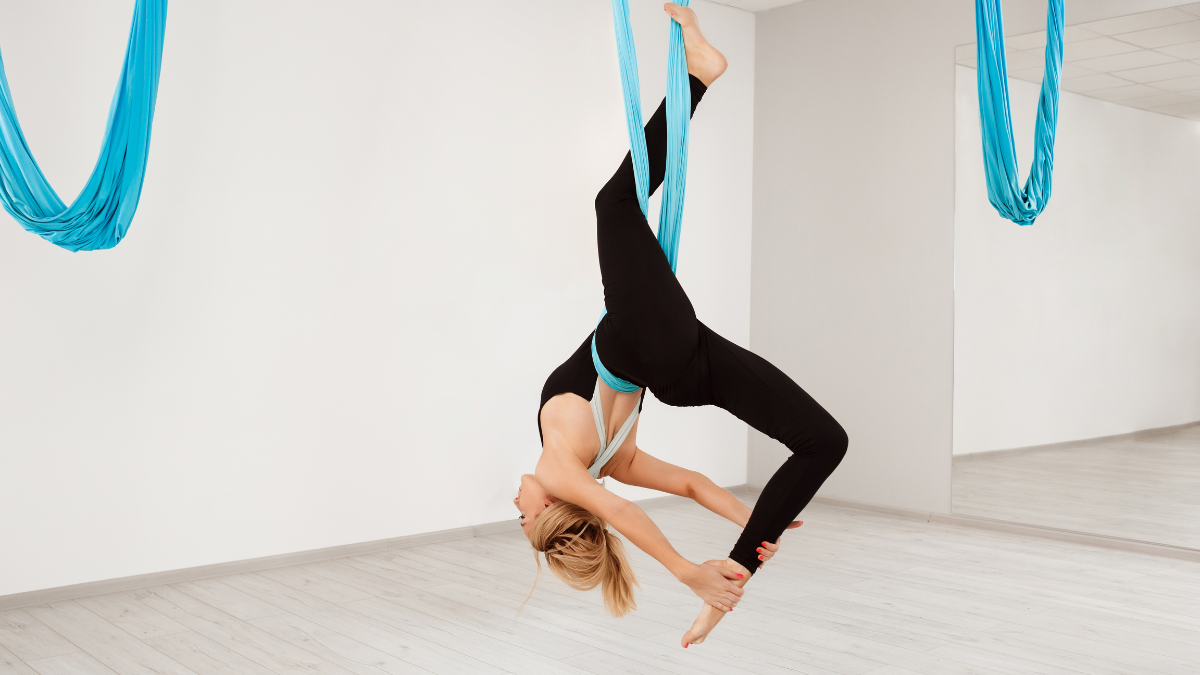
People With Heart Conditions
Rinul recommends that individuals with heart problems or blood pressure issues should also be mindful before performing aerial yoga poses, as the required effort and pressure can put strain on the heart. The fabric can put pressure on your chest, which can further increase discomfort or restrict movement.
Individuals with Recent Surgery, especially Spinal Surgery
Anyone with spinal injuries, a slipped disc, or any other serious back concerns should approach aerial yoga with caution. "Aggressive traction or deep inversion poses can cause harm and worsen your condition the surgery condition," Rinul stated. It is also important to consult with your surgery expert to protect yourself from further problems.
Glaucoma Patients
Rinul underlines that if anyone has been diagnosed with glaucoma or any retinal problem, they should avoid aerial yoga, especially the head-down positions, as inversions cause pressure on the eyes. These positions may increase intraocular pressure, potentially damaging the optic nerve.
Individuals with Respiratory Issues
Not just aerial yoga, but almost all exercises require proper coordination of breath and movement. Anyone having respiratory health problems, such as asthma or Chronic Obstructive Pulmonary Disease (COPD), should be careful with Aerial Yoga as it puts pressure on the lungs and can restrict breathing. Certain poses cause stress on the respiratory muscles, leading to discomfort, breathlessness, or distress.
Also Read: Online Therapy Vs Human Psychologists: Can The Former Replace Or Fill In or the Latter? Here’s What Is Being Said
Risk Factors That Require Medical Clearance:
Rinul shared that there are a few conditions that require modifications or medical clearance before starting practising aerial yoga:
- Osteoporosis: Avoid compressive or impact poses.
- Herniated discs: Avoid deep spinal traction unless approved.
- Joint replacements: Avoid aggressive movement in affected areas.
- Sinus or colds: Upside-down poses put pressure making your condition worse.
- Menstruation: It is suggested that during menstruation, one should avoid performing aerial yoga, but this can vary person to person.
- Migraines: Be cautious with pressure shifts, as it can affect your headaches.
- Low upper body strength: Modify hammock height and load before putting pressure on the Hammock, as it requires extra upper body strength.
Psychological and Emotional Considerations
Here are a few psychological and emotional conditions one should consider as a risk factor and consult with an expert suggested by Rinul to ensure a safe practice:
Also Read: Can Codependency Affect Your Romantic Relationship?
Anxiety
- Being suspended or inverted can trigger panic responses.
- Consent and clear communication are vital.
- Always offer grounding alternatives.
Claustrophobia
- Being wrapped in the hammock can feel confining.
- Modify poses and offer opt-outs.
- Other Risk Factors
- Inversions increase intraocular pressure.
- Strain on healing tissues and sutures.
- Risk of falls, pressure on the abdomen, and hormonal laxity.
- Risk of stroke, especially with inversions.
- It can exacerbate misalignment or disc damage.
- Risk of disorientation and falls.
- Strain on the heart from inversions and effort.
Bottomline
Aerial Yoga, or aero yoga, has become highly popular among young yoga enthusiasts for its uniqueness. It lifts you up from the ground, offering a thrilling experience mid-air. It provides several mental and physical health benefits, such as boosting confidence, enhancing mental and physical coordination, and strengthening muscles. However, practising aerial yoga also demands vigilance. Consulting your doctor or a certified yoga instructor can prevent severe health issues and protect you from developing new problems.
Also watch this video
FAQ
Is aerial yoga for beginners?
Yes, aerial yoga can be beautifully adapted for all levels.Who should not do aerial yoga?
Aerial Yoga is for all, but people with heart disease, extremely high or low blood pressure, or pregnant women should consult before starting.Is aerial yoga better than Pilates?
Aerial yoga and Pilates both offer different and unique benefits. When Aerial yoga provides you more flexibility, Pilates focuses more on your core strength.What is aerial yoga also known as?
Aerial Yoga is also known as anti-gravity yoga, flying yoga and airborne yoga.
How we keep this article up to date:
We work with experts and keep a close eye on the latest in health and wellness. Whenever there is a new research or helpful information, we update our articles with accurate and useful advice.
Current Version
Dec 21, 2025 10:27 IST
Published By : Sameeksha Sharma