
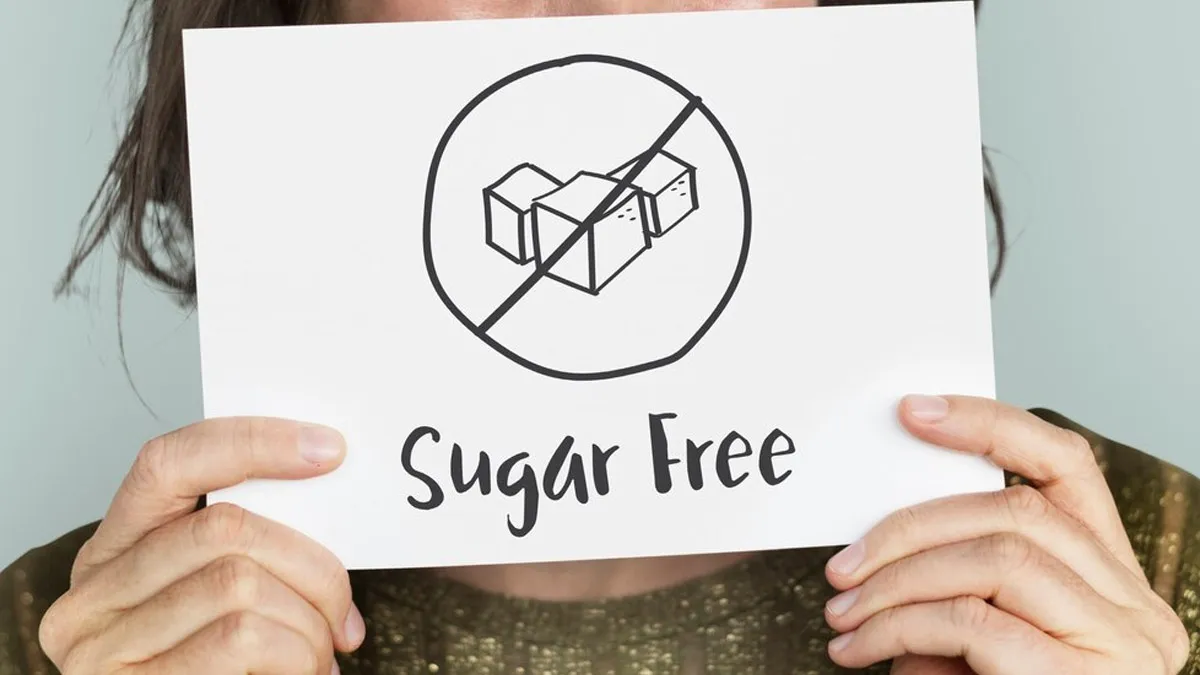
Cutting out sugar for 30 days has become one of those popular wellness challenges everyone seems to be trying. But does it actually deliver the results people expect? The short answer: it depends entirely on what kind of sugar you're cutting. Removing added sugar can genuinely improve your health, but going further and avoiding all sugar, including the natural kind in fruit and milk, isn't necessary and can backfire. Here's what a clinical nutritionist says really happens to your body over 30 sugar-free days.
Not All Sugar Is the Same
Aditi Prasad Apte, Senior Clinical Nutritionist at Aster RV Hospital, Bangalore, explains that "cutting out added sugar for 30 days has become kind of a trend lately, but honestly, the outcome isn't the same for everyone. It really depends on what exactly is being removed."

According to her, when people stop added sugars, such as those in candies, sweetened beverages, desserts, and many processed meals, they can see genuine health benefits. But eliminating all types of sugar, such as the natural sugar found in fruits, milk, and other healthy foods, is generally not necessary and is likely to deprive the body of certain nutrients it needs.
What Happens in the First Few Days?
The early days of cutting sugar tend to be the toughest. Veena V notes that quite a few people notice:
- Cravings
- Irritability
- Headaches
- Fatigue
- Trouble focusing
This happens because the body is recalibrating itself after a lower supply of quickly absorbed sugars.
What Changes in the Later Weeks?
Things generally calm down as time passes. In later weeks, says Veena V, cravings die down, energy stabilises, and many people find they are able to concentrate more and have less of a swing in hunger.
ALSO READ- Craving Sugar After Meals? Doctor Explains the Reason Behind This
What Are the Health Benefits of Cutting Added Sugar?

Reducing added sugar comes with a range of benefits, according to Apte:
- Better blood sugar control and smoother insulin sensitivity
- Lower calorie intake, which may support healthy weight loss when paired with a balanced diet and regular physical activity
- Better sleep quality
- Clearer skin
- More comfortable digestive well-being
Over time, cutting back on added sugar may also lower the risk of obesity, type 2 diabetes, fatty liver disease, heart problems, and even dental cavities.
According to a review published in Nutrients, excess sugar intake is linked to poorer executive function, including weaker attention, memory, and self-control. This effect appears through changes in the hippocampus, brain inflammation, and disrupted signalling of dopamine, a chemical tied to focus and motivation.
Meanwhile, sugar was also linked to a higher risk of obesity, type 2 diabetes, heart disease, and stroke, showing its effects reach well beyond the brain.
Do You Need to Avoid Natural Sugars Too?
No. Apte is definitely not saying that it's a must to avoid all carbs or sugar naturally. It's not even advised for everybody. Fruits, vegetables, whole grains and dairy products all have naturally occurring sugars as well as fibre, vitamins, minerals and antioxidants that are essential for good health.
Who Should Be Careful Before Cutting Out Sugar?
Not everyone should jump into major dietary shifts without medical guidance, even if it seems like a quick fix. Apte points out that the following groups need extra caution:
- People with diabetes, especially those on insulin or other glucose-lowering medication, who may need dose recalibration to avoid low blood sugar
- Women who are pregnant or lactating
- Youngsters who have not reached full height
- Athletes who have an intense energy requirement.
- Anyone convalescing from sickness
These groups should ensure that they are able to maintain the nutrition they are currently consuming and slowly decrease added sugars over time.
ALSO READ- Are Sugar Cravings a Sign of Diabetes? Here's What a Dietitian Says
Conclusion
It's generally easier to follow a well-rounded diet over time than a harsh restriction or all-or-nothing rules, and it's usually easier to stick to in the long run, notes Apte. Yes, cutting out sugar for 30 days really does make you feel better, though it's best to do it as part of a healthy lifestyle program, not as a no-sugar-at-all extreme.
FAQ
1. Will cravings for sugar come back after the 30 days are over?
This can be possible if sugar is reintroduced rapidly and copiously. Going back to a healthy diet gradually, instead of just plopping yourself full-length back into the old routine, is more likely to help keep blood sugar levels in check and cravings at bay.2. Can cutting sugar for 30 days help with acne?
Others will see an improvement in their skin after eliminating added sugar because steady blood sugar and insulin levels can help to alleviate inflammation that can cause acne. But skin alterations are different from person to person and are influenced by a number of other factors as well.
All possible measures have been taken to ensure accuracy, reliability, timeliness and authenticity of the information; however Onlymyhealth.com does not take any liability for the same. Using any information provided by the website is solely at the viewers’ discretion. In case of any medical exigencies/ persistent health issues, we advise you to seek a qualified medical practitioner before putting to use any advice/tips given by our team or any third party in form of answers/comments on the above mentioned website.
How we keep this article up to date:
We work with experts and keep a close eye on the latest in health and wellness. Whenever there is a new research or helpful information, we update our articles with accurate and useful advice.
-
Current Version
Jul 17, 2026 15:17 IST
Modified By : Vivek Kumar Jul 17, 2026 15:17 IST
Modified By : Vivek KumarJul 17, 2026 15:17 IST
Published By : Vivek Kumar
Reviewed By : Ms Veena V